Germany is set to reform the process of getting a driving licence to make it cheaper and less complicated. One idea is to follow neighbouring Austria’s lead and allow learners to gain experience on practice drives with relatives.
If you’re considering learning to drive in Germany, be prepared to dig deep into your pockets – it can set budding drivers back up to €4,000.
The issue was highlighted recently by The Local reader James Banks who said in a comment: “Like many things in Germany, an entire industry and bureaucracy is is built around learning to drive a car.
“It is in fact a relatively simple thing to learn, unfairly complicated by the endless pedantry of the German mindset. Not allowing practice with any licence holder other than a driving instructor, for example, is the main cost multiplier. It is not so in other countries, and yet Germans are not the world’s best drivers.”
But this could soon change. Germany’s Transport Ministry has been putting together plans aimed at making it both simpler and less expensive. Proposed measures include expanding digital learning tools, cutting red tape and allowing more flexibility in how people learn to drive.
One of the most notable ideas is to permit learner drivers to practise with a parent or other experienced driver – a system already in place in neighbouring Austria.
READ ALSO: The plan to make it cheaper to get a driving licence in Germany
Looking to Austria
Across the border, getting a licence costs an average of just €2,000, according to Stefan Ebner from the Association of Driving Schools in Austria.
Crucially, learner drivers need fewer hours with a professional instructor because they practice with their parents or another experienced driver.
Typically, learners in Austria complete theory lessons first, followed by a briefing at a driving school for both the student and their accompanying driver.
They then clock up around 1,000 kilometres on the road with a parent, grandparent or other experienced driver, alongside formal lessons, before taking their test.
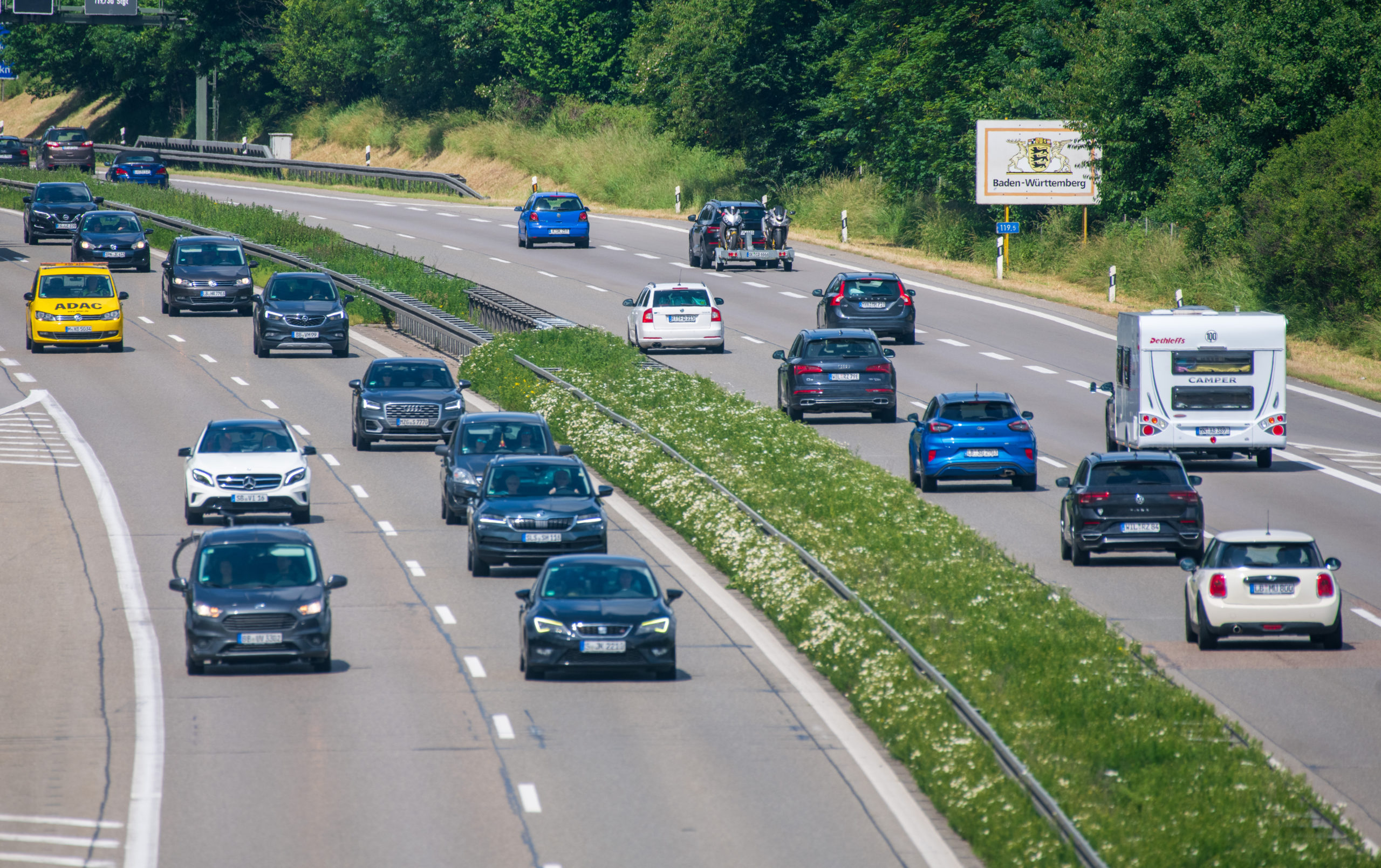
People drive on the Autobahn in Laichingen in Baden-Württemberg. Photo: picture alliance/dpa | Stefan Puchner
Germany’s Transport Minister Patrick Schnieder (CDU) wants to introduce a similar model, with supervised private practice forming part of the training.
If the plans get the green light in Germany, the scheme would run for five years and be subject to monitoring, reports broadcaster BR24.
Potential savings (and mixed views)
According to conservative estimates, driving with a parent or similar could mean learners will need five fewer official lessons. If one lesson costs around €70, that would mean savings of about €350.
The motoring organisation ADAC supports the idea, arguing that accompanied driving helps build confidence.
Driving instructors, however, have raised safety concerns, pointing to Germany’s more complex traffic conditions, such as having no speed limit on parts of the Autobahn.
Yet in Austria lay training is regarded as a model of success. “We haven’t heard of learners driving into the ditch with their parents or causing damage,” Ebner said.
Fewer mandatory lessons
Another controversial plan from Germany’s Transport Ministry is to reduce compulsory special driving sessions.
Currently, learners must complete 12: five cross-country drives, four Autobahn trips and three night drives. Under the proposed reforms, this could be cut significantly.
Given that these sessions often cost around €80 per hour, the change could save learners more than €700.
Moving theory lessons online
Theory lessons also drive up the cost of getting a German driving licence. Driving schools often face high rents, particularly in cities like Munich, and those costs are passed to students.
The reforms would allow schools to offer theory lessons online, for example via apps, which it is hoped would lead to a reduction in fees.
However, some instructors argue that in-person teaching is more effective.
Other proposals include reducing the number of possible theory test questions and cutting out paperwork. Driving schools would also be able to choose between digital and in-person teaching.
Meanwhile, practical test times could be reduced to the EU minimum of 25 minutes.
All of this could bring the cost of obtaining a driving licence in Germany to around €2,000.
What happens next?
Transport ministers from Germany’s federal states are expected to discuss the proposals in the coming weeks.
If approved, the reforms could come into force in 2027 at the earliest.
READ ALSO: When will the cost to get a drivers’ licence in Germany fall?
Disclaimer : This story is auto aggregated by a computer programme and has not been created or edited by DOWNTHENEWS. Publisher: thelocal.de