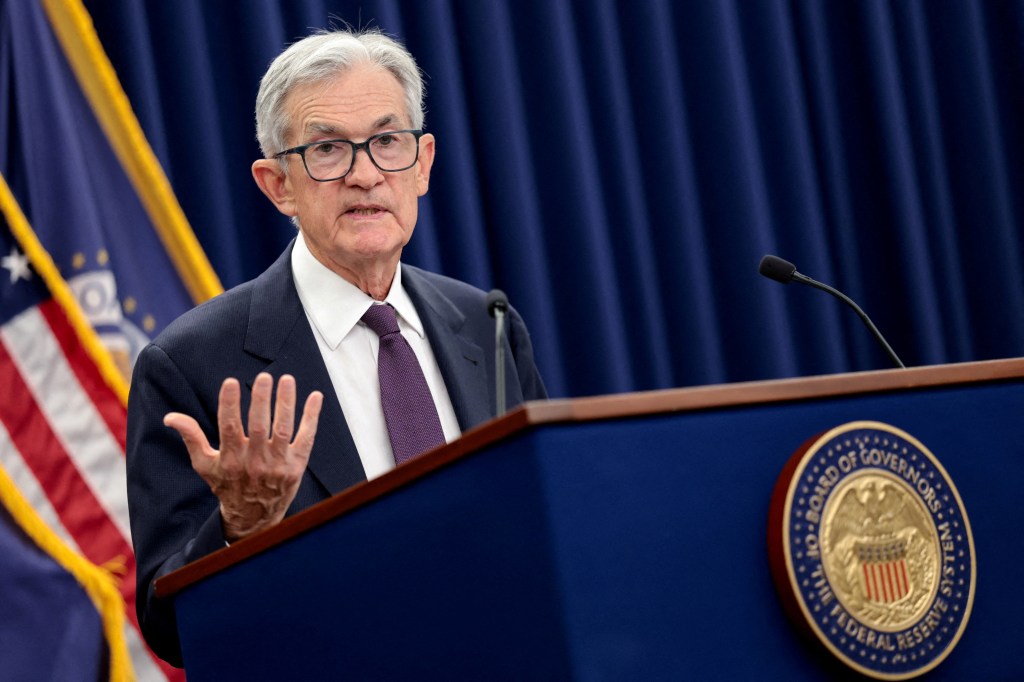
The Federal Reserve on Wednesday voted 11-1 to hold interest rates in the current range as the war in Iran and conflicting economic signals throw snags in the path to rate cuts this year.
Policymakers typically look past energy shocks, but Iran’s blockade of the Strait of Hormuz has sent oil prices above $100 a barrel and caused the most severe supply disruption ever – raising fears that a prolonged conflict could reheat stubborn inflation.
Fed officials have been divided on their views of the economy, with some arguing that they are willing to lower rates further after three reductions last year to support the labor market. Others want to hold off over concerns that inflation could spike.
The personal consumption expenditures index – the Fed’s preferred inflation gauge – showed that prices were persistently elevated in February, even before the US and Israel’s joint air strikes on Iran began Feb. 28, according to Commerce Department data released last week.
Meanwhile, updated government estimates showed the US economy grew at a surprisingly sluggish 0.7% pace from October through December – reigniting fears that inflation and flat growth could create a toxic mix known as “stagflation.”
Adding to the noise was a particularly weak jobs report earlier this month, which showed the US lost 92,000 jobs in February while the unemployment rate ticked up to 4.4%.
Wednesday marks Jerome Powell’s second-to-last meeting as chairman, after months of President Trump pressuring the central bankers to slash interest rates more quickly.

Kevin Warsh – Trump’s nominee to replace Powell once his term ends in May – is facing a battle in Congress as Sen. Thom Tillis (R-NC) vows to block his nomination until the government ends its criminal investigation into Powell over the Fed’s over-budget headquarters renovation.
Disclaimer : This story is auto aggregated by a computer programme and has not been created or edited by DOWNTHENEWS. Publisher: nypost.com