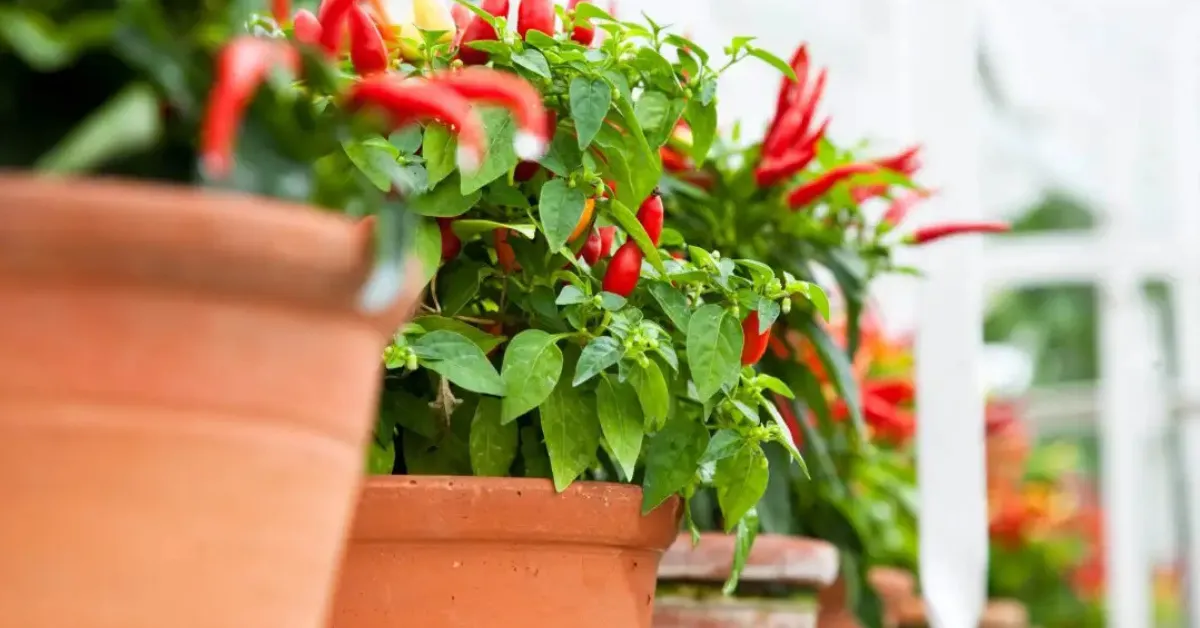
A handful of fresh chillies can alter the character of an entire meal, lending warmth to curries, brightness to chutneys, and a welcome spiciness to everyday cooking. While they appear small in size, chilli plants are generous producers. With the right conditions, even a single plant grown in a simple pot can yield a steady supply of fruits over several months.
For home gardeners, chillies offer the rare combination of practicality and ease. They demand little space, adapt well to containers, and respond quickly to attentive care. A sunny balcony, terrace, or window ledge is often all that is needed to grow a healthy plant.
Summer provides particularly favourable conditions for their growth. The warmth of the season encourages rapid germination, strong foliage, and abundant flowering. With a few simple steps and a little patience, it is entirely possible to cultivate your own supply of fresh chillies right at home.
1. Begin with healthy seeds or nursery-grown seedlings
A productive plant begins with good planting material. Seeds can be extracted from fully dried chillies at home or purchased from a reliable nursery. Beginners may find it easier to start with young seedlings, which already have an established root system and tend to adapt swiftly once transplanted.
2. Select containers that allow proper drainage
Chilli plants dislike waterlogged soil. Choose a pot at least eight to 10 inches deep with drainage holes at the base. Earthen pots, sturdy wooden containers, or grow bags all serve well, provided excess water can escape freely.
3. Prepare a loose and nutrient-rich growing medium
A well-balanced potting mix supports vigorous growth. Combine equal parts garden soil, compost, and cocopeat to create a mixture that retains moisture while remaining airy. Compost enriches the soil with essential nutrients, while cocopeat improves structure and drainage.
4. Sow the seeds shallowly and space them carefully
Plant the seeds roughly half a centimetre below the soil surface and cover them lightly. If sowing several seeds in one container, leave adequate spacing so that the seedlings do not compete for nutrients and sunlight as they develop.
5. Position the plant where it receives abundant sunlight
Chilli plants require generous sunlight to survive. Place the container in a location that receives at least five to six hours of direct sun each day. Consistent exposure encourages sturdy growth and supports flowering and fruit formation.
/filters:format(webp)/english-betterindia/media/media_files/2026/03/18/grow-chillies-at-home-2026-03-18-11-48-21.png)
6. Maintain even moisture without saturating the soil
Water the plant whenever the top layer of soil feels dry. During warmer days, this may mean watering once daily, ideally in the morning. The aim is to keep the soil evenly moist without allowing it to become soggy.
7. Enrich the soil periodically with organic matter
As the plant grows, additional nourishment helps sustain its productivity. Apply compost or vermicompost every two to three weeks. Liquid organic fertilisers can also be diluted and applied occasionally to encourage flowering.
8. Provide gentle support as the plant matures
Once the plant grows taller and begins producing fruit, the branches may require support. Insert a slender stake into the soil and loosely tie the main stem to it. This practical step prevents the plant from bending under the weight of developing chillies.
9. Monitor the leaves and manage pests early
Inspect the leaves regularly for signs of aphids or mites. If detected early, a mild neem oil spray applied weekly is often sufficient to keep infestations under control while remaining safe for the plant.
/filters:format(webp)/english-betterindia/media/media_files/2026/03/18/grow-chillies-at-home-2026-03-18-11-51-26.png)
10. Harvest the chillies when they reach the desired stage
Most chilli varieties begin producing fruit within two to three months. They may be harvested while still green or left on the plant until they ripen fully and turn red. Snip them carefully with scissors or twist them gently to avoid damaging the branches.
With consistent sunlight, attentive watering, and occasional feeding, a chilli plant can remain productive for many months. Before long, your kitchen garden will offer a continuous supply of fresh and home-grown chillies ready to enliven everyday cooking.
Disclaimer : This story is auto aggregated by a computer programme and has not been created or edited by DOWNTHENEWS. Publisher: thebetterindia.com