

North Korea’s Supreme People’s Assembly convenes March 22 to elect state leadership and revise the constitution. With Kim Jong Un freshly re-elected as Workers’ Party of Korea general secretary and a two-year personality cult campaign now in full swing, analysts are asking a question that would have seemed premature not long ago: is Kim about to claim the title of DPRK president, the role once held exclusively by his grandfather Kim Il Sung?
The question is more than speculative. The inaugural session of the newly elected 15th Supreme People’s Assembly is scheduled to decide on the election of state leadership and deliberate on a major revision to the Socialist Constitution. Since September 2024, North Korea has referred to Kim Jong Un as the “head of state” (국가수반), exactly mirroring the role of “DPRK president” stipulated in the 1972 and 1992 constitutions. That linguistic shift, analysts note, is almost certainly not a coincidence.
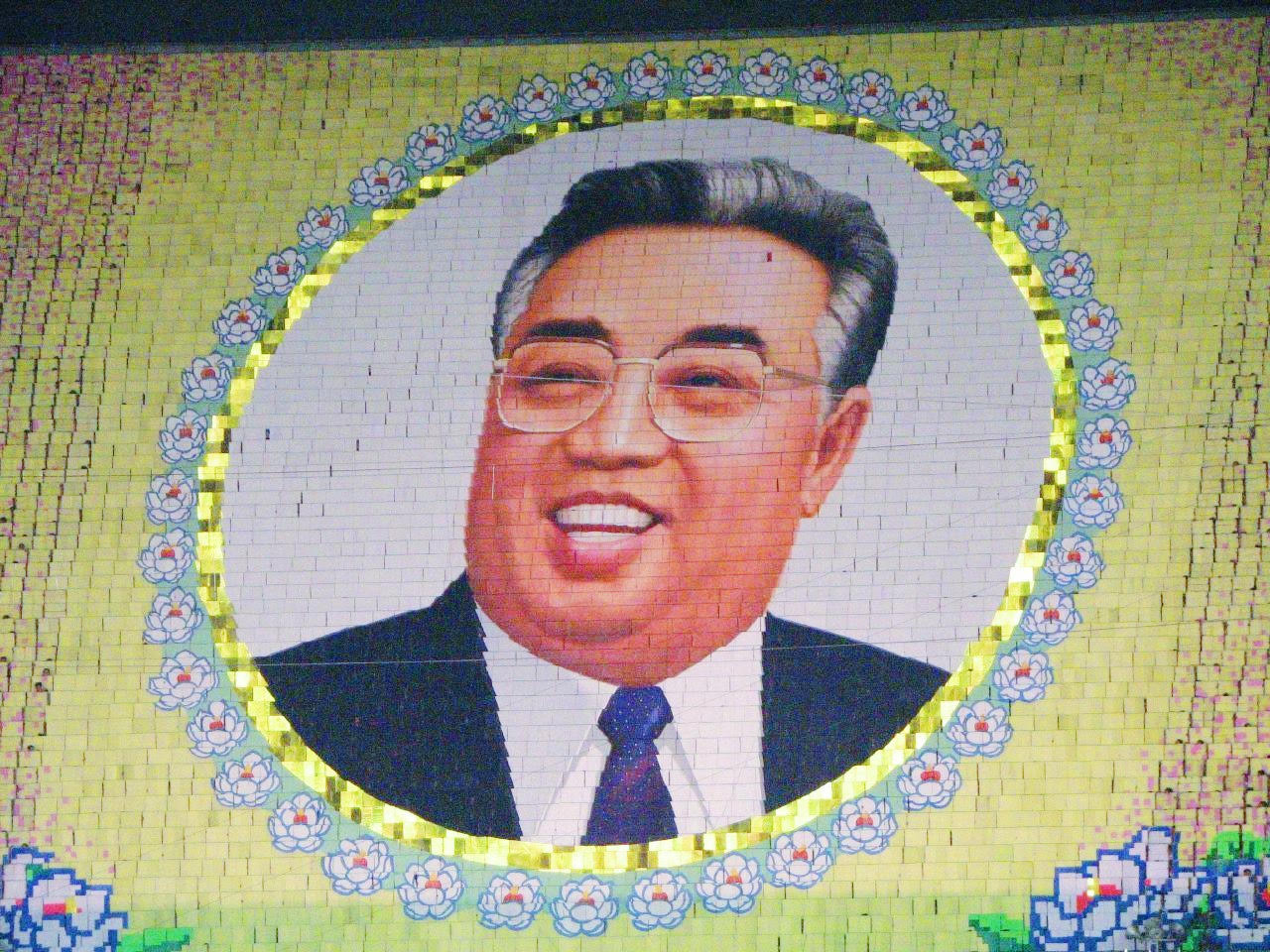
The title of DPRK president has belonged to only one person in the country’s history. Kim Jong Un’s predecessor, Kim Jong Il, avoided the post and instead exercised state authority as chairman of the National Defense Commission, a choice reportedly motivated in part by his reluctance to assume direct responsibility for the economy. Kim Jong Un, who has modeled his public image closely on his grandfather since taking power in late 2011, has long been seen by some observers as laying the groundwork for an eventual claim on the presidency.
Personality cult and the march toward deification
The systematic effort to elevate Kim Jong Un’s status appears to have accelerated in the spring of 2024. Korean Central News Agency reported in April 2024 that a propaganda and agitation training session was held in Pyongyang, where the slogan “Let us paint the entire party and society in the single color of Kim Jong Un’s revolutionary ideology” was formally introduced. A specialist who visited North Korea at that time was told by Ri Il-hwan, the WPK secretary responsible for propaganda and agitation, that work was urgently under way to systematize “Kim Jong Un’s revolutionary ideology.”
Also in April 2024, Korean Central TV released a new song praising Kim Jong Un titled “Our Beloved Parent.” In May 2024, coverage of the opening ceremony of the WPK Central Cadres School showed portraits of Kim Jong Un displayed alongside those of Kim Il Sung and Kim Jong Il on classroom walls and building exteriors. By late June 2024, state media published images of officials wearing portrait badges bearing Kim Jong Un’s likeness. Beginning around September 2024, state media began describing Kim Jong Un using the term “head of state.”
A delayed election and a compressed timeline
Running parallel to this deification campaign was an unusual disruption to North Korea’s political calendar. The mandate of the 14th Supreme People’s Assembly was set to expire in March 2024, yet the scheduled parliamentary election was not held. The delay drew puzzled reactions from regional government officials and North Korea specialists, who said they could not determine the reason for the postponement.
On Feb. 26, the WPK Ninth Party Congress concluded, at which Kim Jong Un was re-elected as general secretary. On March 4, the SPA Standing Committee issued a decision announcing that elections for the 15th Supreme People’s Assembly would be held March 15. That announcement came well short of the 60-day advance notice required under North Korean election law.
The election was held March 15. The Central Election Committee reported a voter turnout of 99.99%, with 99.93% of votes cast in favor of the registered candidates. The compressed timeline suggests Pyongyang deliberately synchronized the election with the conclusion of the party congress.
At the party congress itself, analysts noted a conspicuous absence. Reports published Feb. 26 on the congress’s outcomes contained almost no references to Kim Il Sung or Kim Jong Il, and portraits of the two former leaders were not displayed at the venue. A former WPK official told the author that the congress appeared designed to mark the definitive opening of a “Kim Jong Un era.”
Constitutional revision as the key mechanism
Creating or reinstating the title of DPRK president would require a constitutional amendment. That authority rests with the Supreme People’s Assembly. Article 100 of the current North Korean constitution designates the chairman of the State Affairs Commission as the country’s “supreme leader” (최고영도자), a position Kim Jong Un holds. Should North Korea reintroduce the “DPRK president” title in the constitution and appoint Kim to that role, the implications could extend beyond prestige. It could affect the country’s decision-making structure, including on defense and foreign policy, as well as succession planning.
Some analysts believe the decision to hold the SPA election before the required 60-day public notice period had elapsed reflects an intent to convene the new assembly as quickly as possible. The first session of a newly elected assembly is conventionally held approximately one month after the election. North Korea announced the first session of the 15th SPA for March 22, just one week after the election.
Anxiety, loyalty, and the logic of the title chase
North Korea is also preparing several additional political events in April, including a WPK Central Military Commission meeting and the Eighth Congress of the Korean Socialist Women’s Union. Some observers suggest these gatherings may be used to formally announce the launch of a “Kim Jong Un presidential era” both domestically and internationally. The decision to bar foreign participation from the April Pyongyang International Marathon may also reflect a desire to keep internal political activity free from outside observation during this period.
Kim Jong Un already exercises absolute authority. Whether he holds the title of general secretary, State Affairs Commission chairman, or DPRK president, the practical scope of his power does not change substantially. Yet Kim has consistently accumulated and modified titles since taking power, moving from “first secretary” to “State Affairs Commission chairman” to “general secretary.” A former WPK official told the author that Kim harbors ongoing anxiety about consolidating his hold on power and that those around him compete actively to demonstrate loyalty. “These aligned interests,” the official said, “are what drive the deification campaign and the title changes.”
Kim Il Sung was elected state president at age 60 following a constitutional revision in December 1972. According to the South Korean Ministry of Unification’s database of key North Korean figures, Kim Jong Un’s most widely accepted date of birth is Jan. 8, 1984, placing him in his early 40s. If his anxieties about power consolidation remain unresolved, further additions to his roster of titles and authority symbols remain likely in the years ahead.
Disclaimer : This story is auto aggregated by a computer programme and has not been created or edited by DOWNTHENEWS. Publisher: dailynk.com






