TOKYO, Mar 23 (News On Japan) –
Rising tensions in the Middle East, triggered by an attack on liquefied natural gas facilities in Qatar, are not only driving up oil prices but also raising concerns over a potential helium shortage that could disrupt MRI diagnostics and strain hospital operations in Japan.
[embedded content]
The instability has already begun affecting global supply chains, with price increases seen in petroleum-based products such as plastics, widely used in manufacturing. In China, which accounts for more than 30% of global plastic production, wholesalers report rising material costs, forcing manufacturers to consider price hikes. Smaller producers, for example, face daily cost increases of around 210,000 yen due to a 70,000 yen rise per ton of raw materials, highlighting how energy-related disruptions are spreading across industries.
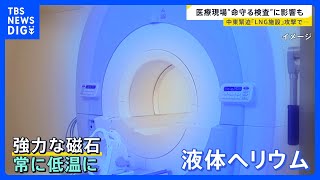
Beyond manufacturing, the impact is now extending into healthcare, where helium plays a critical role. MRI machines, essential for diagnosing conditions such as brain disorders and internal injuries, rely on powerful magnets that must be kept at extremely low temperatures. This cooling is achieved using liquid helium, making the gas indispensable for continuous MRI operation.
Hospitals operate MRI systems around the clock, maintaining constant cooling with helium to ensure readiness for emergency and routine diagnostics. However, supply concerns are mounting following reports that Iran attacked LNG-related facilities in Qatar, a key producer of helium derived during natural gas processing. According to Qatar’s state-run energy company, the incident has already reduced helium production by 14%.
The immediate concern is rising costs, as higher helium prices are expected to push up maintenance fees for MRI equipment. Industry experts warn that these increased expenses could place additional financial pressure on clinics and hospitals, potentially tightening already strained healthcare budgets.
If supply disruptions persist over a longer period, the consequences could become more severe. In a worst-case scenario, prolonged shortages lasting months or even years could hinder the ability to conduct MRI scans when urgently needed, raising the risk of delayed diagnoses and compromised patient care.
While such extreme outcomes remain uncertain, the situation underscores how geopolitical instability in energy-producing regions can ripple far beyond fuel markets, directly affecting critical medical infrastructure in countries like Japan.
Source: TBS
Disclaimer : This story is auto aggregated by a computer programme and has not been created or edited by DOWNTHENEWS. Publisher: newsonjapan.com