The German government has made it cheaper than ever to purchase a new electric vehicle. Here’s how the subsidy works, and who’s eligible.
Since the German government launched its new electric vehicle (EV) subsidy programme in January, and with the conflict in Iran causing a surge in consumer interest, manufacturers have been locked in a fierce price war.
While many “spring specials” technically ended in March, the combination of high dealer stocks and state funding means bargain prices—including options for under €10,000—are still very much on the table.
According to car shopping platform CarEdge, search traffic for electric vehicles jumped 20 percent during the first week of the conflict. Interest in flagship models like the Tesla Model Y and the Chevrolet Equinox nearly doubled during this period as drivers looked for long-term stability against rising petrol costs.
Germany’s EV incentives
On January 20th, the German federal government unveiled the specifics of its new €3 billion “socially targeted” incentive programme. The scheme is designed to revive a slowing EV market by improving access to the EV market for lower and middle-income households.
READ ALSO: How much money can you get towards buying an EV in Germany this year?
The programme is specifically designed to support the registration of approximately 800,000 vehicles through to 2029, offering retroactive coverage for cars registered since January 1st, 2026. Although the official application portal is slated to go live in May.
Eligibility is limited to private households with a taxable annual income of up to €80,000. This cap, however, increases by €5,000 per child for up to two children (under 18 years of age), making the income limit €90,000 for families with two or more children.
Under this tiered structure, pure battery-electric vehicles (BEVs) qualify for a base subsidy of €3,000. Plug-in hybrids and electric cars with range extenders, can qualify for a subsidy up to €1,500.
Owners must commit to keeping the vehicle registered in their name for at least 36 months to make use of the subsidy.
What are the cheapest EVs to buy in Germany now?
While the ultra-low prices of early 2026 were driven by temporary “early-bird” bonuses, the combination of increased market competitiveness and the new socially-targeted state grants continues to keep some EV models incredibly affordable.
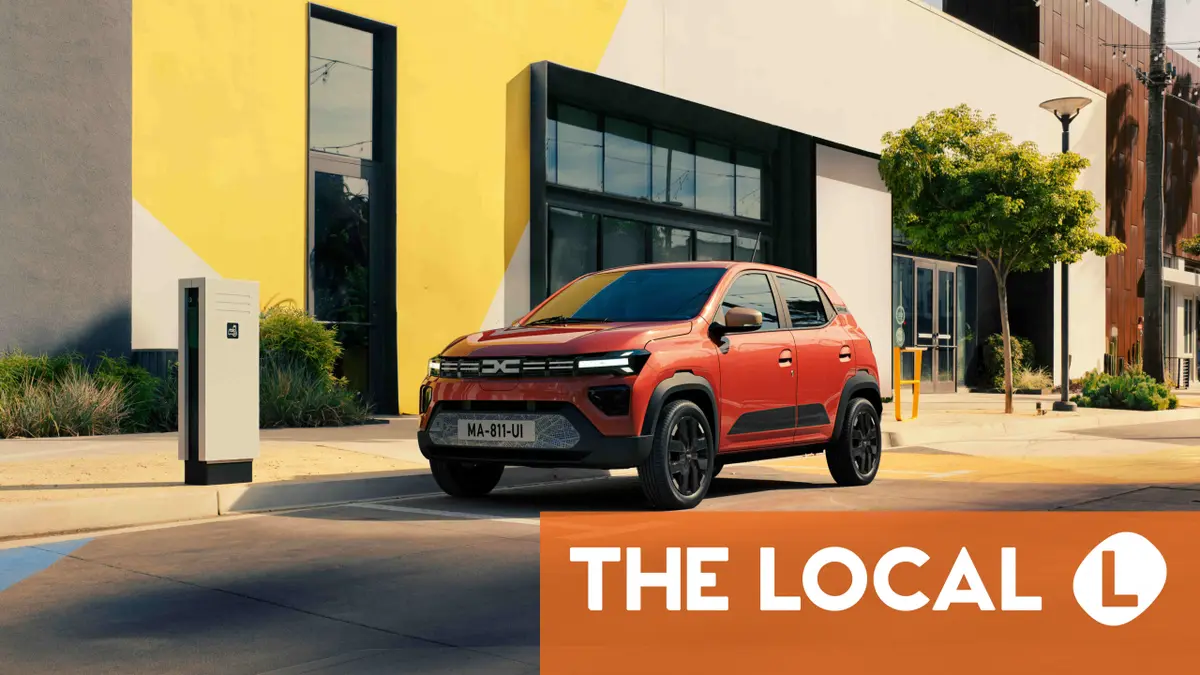
The Dacia Spring Expression Electric 70 remains the entry-level leader. Following a fresh brand bonus, the vehicle price now stands at €15,700 (including a €3,000 Dacia electric bonus). For families with a household income of up to €45,000 and two children or more, the final cost would be just €9,700.
BYD’s Dolphin Surf “Active” trim now starts at an effective price of €12,990 after all incentives. For those eligible for regional or additional brand-specific stacking, prices for the Active trim have been seen as low as €11,780, with the higher-spec “Boost” at €15,780 and “Comfort” at €18,280.
Volkswagen’s mainstay, the VW ID.3, remains priced to compete with the petrol Golf. While the list price sits around €37,786, potential total discounts (including the maximum state grant) can reach €11,000, bringing the effective cost down significantly.
The Tesla Model Y continues to benefit from a €3,000 Tesla Bonus on all cars ordered on or after February the 13th until April the 30th, as long as they’re delivered by June 30th. When combined with the €6,000 state grant, the rear-wheel-drive version can still be secured for approximately €30,990.
READ ALSO: Tesla sales plunge in Germany after Musk backs far right
Long-term savings
To keep driving costs low, the government has extended EV road tax exemptions until 2035 and introduced enhanced tax depreciation for corporate fleets.
With petrol prices at record highs and a new €3 billion subsidy pot now open for retroactive claims, the opportunity to secure an EV in Germany at an affordable price is better than ever.
However, because the fund is capped at 800,000 vehicles, the “first-come, first-served” rule applies.
Disclaimer : This story is auto aggregated by a computer programme and has not been created or edited by DOWNTHENEWS. Publisher: thelocal.de