
“I’ve known Virginia for years,” Lang said. “She lives in my neighborhood. I see her all the time and she’s so modest, you would never know. So, she tells me this entire story and I said, well, come over and let’s talk about this and let me start taking notes and get this on paper.”
In addition to the story, Stutsman shared a box of memorabilia with Lang, including a letter of gratitude from Bobby Jones and Clifford Roberts, and a solid brass ashtray featuring Augusta National’s 13th hole, with her grandfather’s name engraved. The ashtray was a gift to the 57 players who competed in 1948 — and to Herndon.
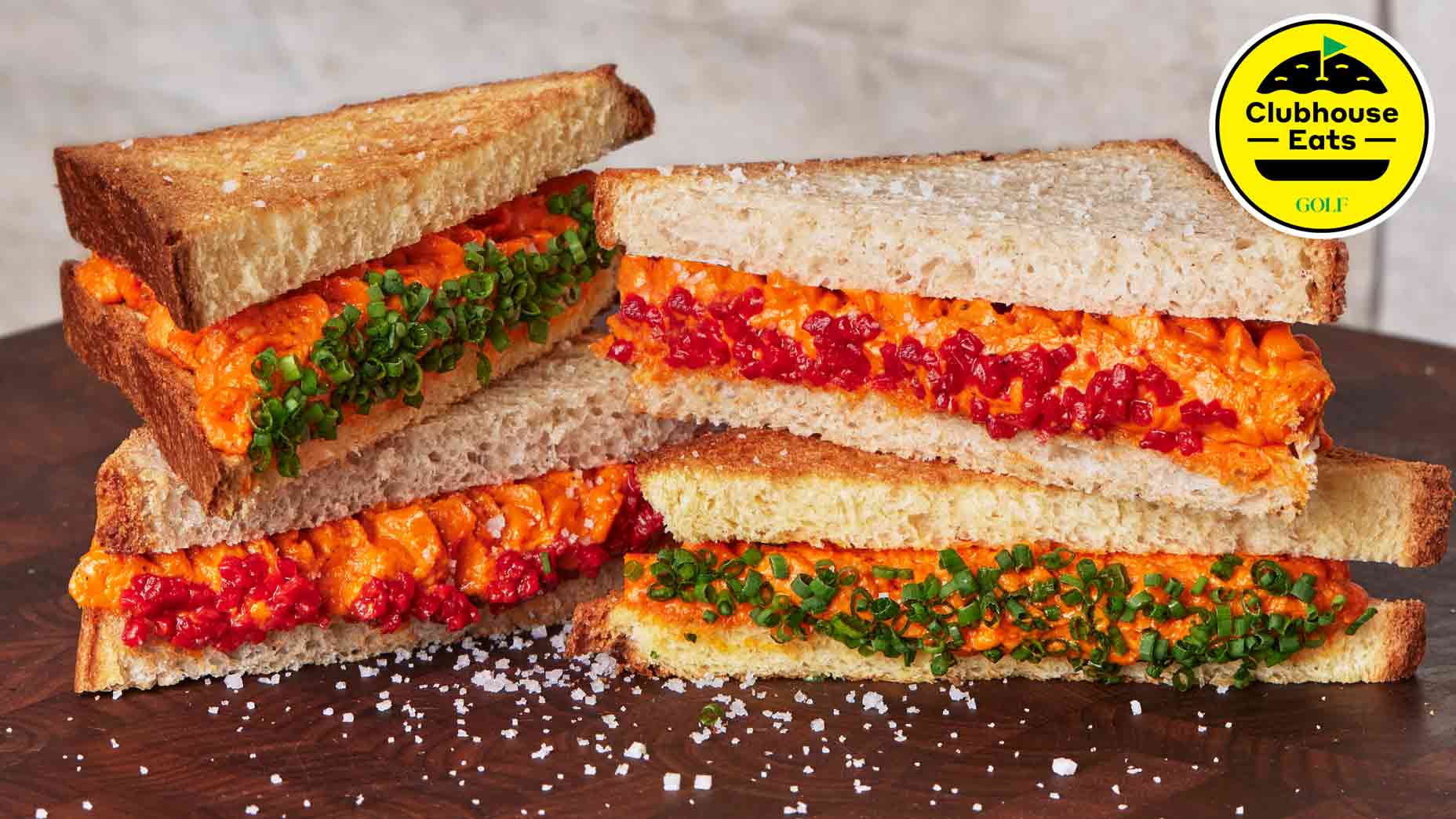
Michelin-star chef says the Masters’ famous pimento-cheese sandwich can’t be improved
“It was amazing to see it all,” Lang said. “We spread it all over the dining room table. The sad thing is, she doesn’t have the recipe for the egg salad or the pimento cheese. If her grandmother was like my grandmother, she never used a recipe. It changed a little bit each time.”
Lang learned that in 1947, the Herndons were approached by Masters and Augusta National cofounder Clifford Roberts to make sandwiches for tournament patrons for 25 cents apiece. The Herndons, who owned a small restaurant and managed food service at the VA hospital in Augusta, prepared egg salad, ham, and pimento cheese sandwiches to send to the tournament. Ola and Hodges’ son, Tom (Virginia’s father), and his University of Georgia Phi Delta Theta fraternity brothers, helped deliver the sandwiches to the club via Berckmans Road as each batch was completed.
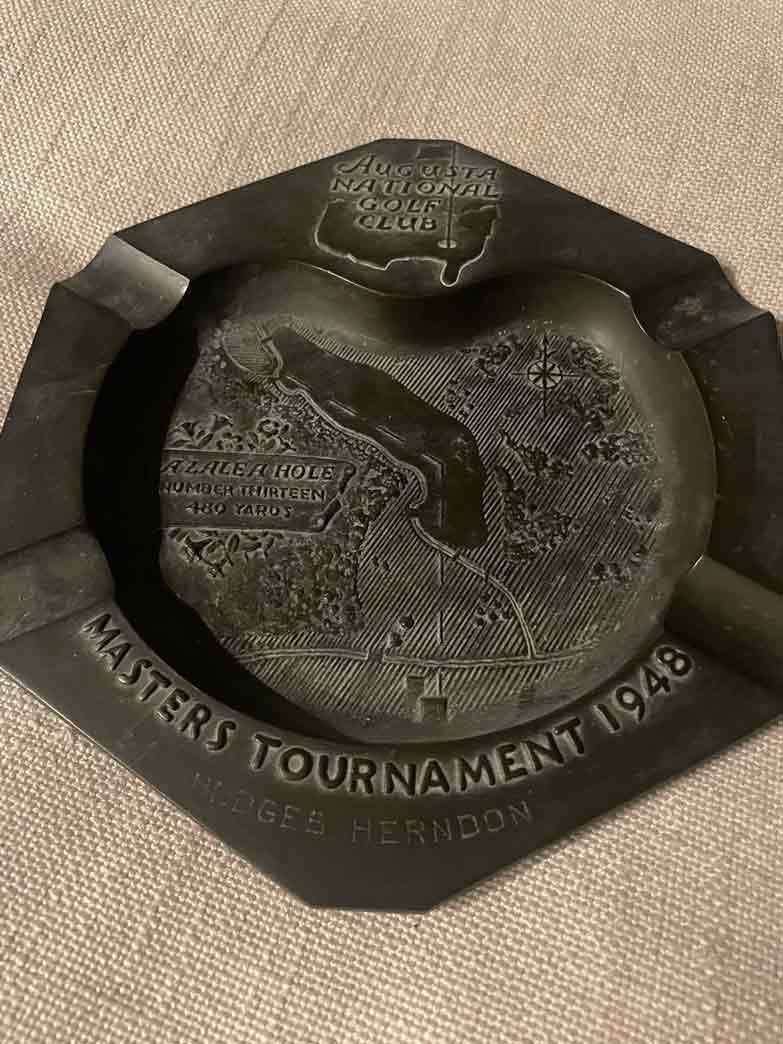
Courtesy Rebecca Lang/Virginia Herndon Stutsman
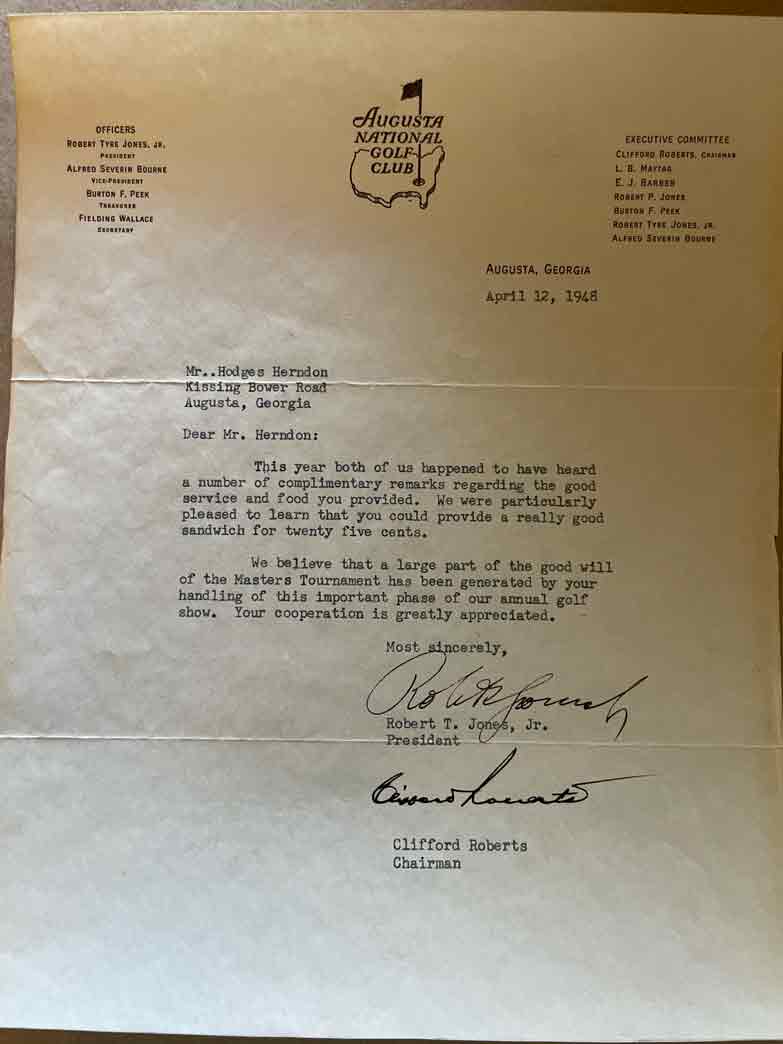
Courtesy Rebecca Lang/Virginia Herndon Stutsman
The demands of making all those sandwiches eventually outgrew the Herndon kitchen. Local caterer Nick Rangos took over the tournament’s pimento cheese production until 1998, when WifeSaver restaurant franchise owner Ted Godfrey was appointed. The reign of local pimento-cheese makers ended when the Masters brought all concessions in-house in 2013. The bargain price, however, has remained: $1.50.
Among the most interesting things about pimento cheese is that, as Lang alluded, the recipe isn’t set in stone. The ingredients stay the same, sure, but family methods and/or measurements are often kept close to the vest. Between each pimento cheese transition at the Masters, the previous recipes were not shared.
Luckily for us, Lang has no such qualms about publicizing the details of her favorite pimento cheese concoctions. Her new book includes more than 65 recipes: 35 for making pimento cheese, and another 30 that include pimento cheese as an ingredient. You can indulge in some of Lang’s favorite pimento cheese recipes below — or click the link to purchase her book for yourself.
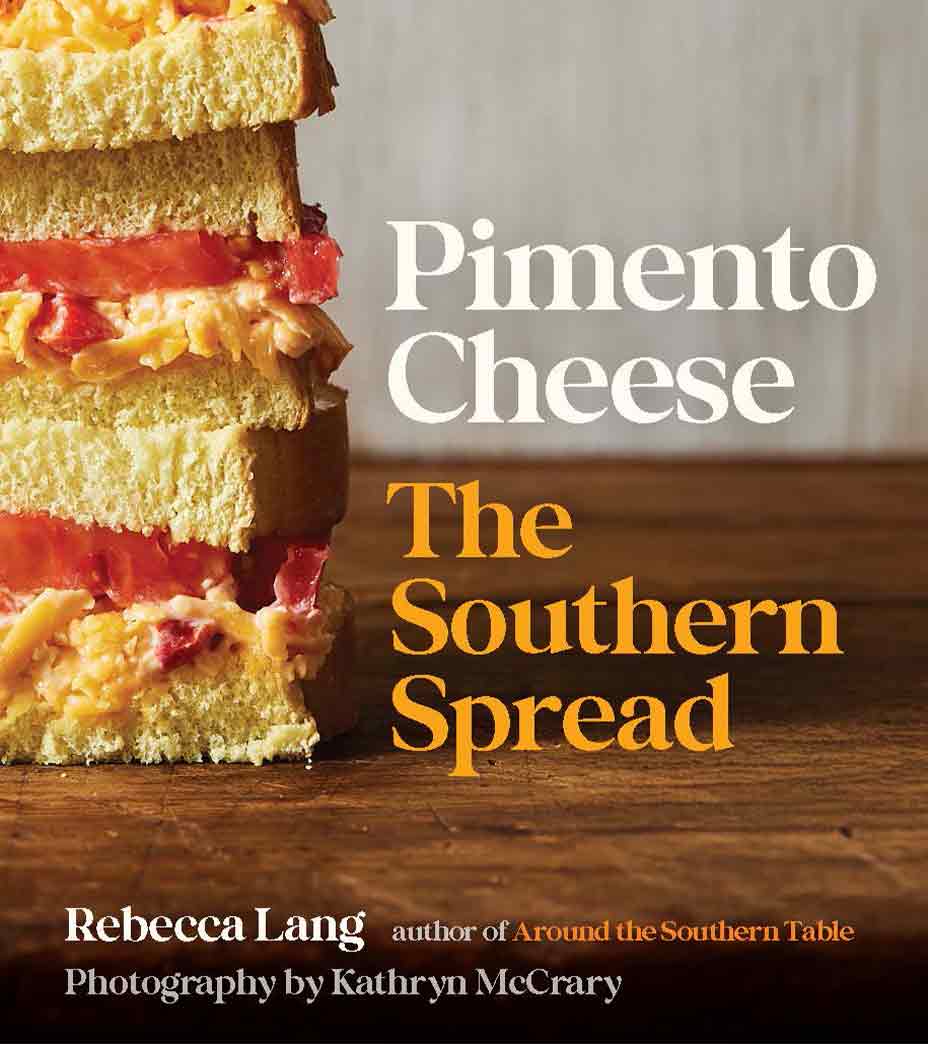
Pimento Cheese: The Southern Spread
In Rebecca Lang’s new book, the storied food writer gives readers a taste of the famed spread’s history and versatility.
Rebecca Lang’s favorite pimento cheese recipes
Pimento Cheese: Augusta National style
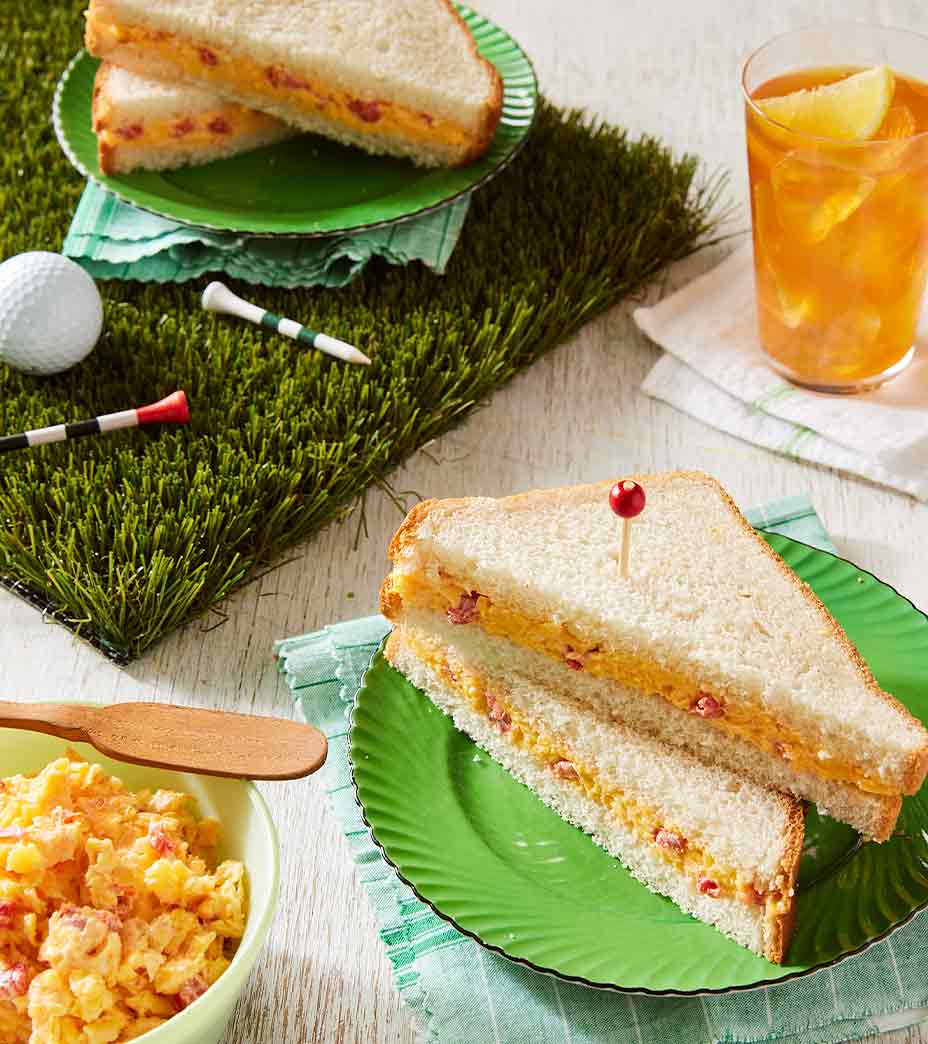
Kathryn McCrary
Makes 3 1/4 cups
2 (8-ounce) blocks sharp cheddar cheese
3/4 cup mayonnaise
6 tablespoons undrained diced pimentos
2 ounces cream cheese, softened
1/4 teaspoon salt
Grate the cheddar using the large holes of a box grater. Combine the cheddar, mayonnaise, pimentos, cream cheese, and salt in the bowl of a stand mixer fitted with the paddle attachment. Mix on low speed for 1 minute.
Store in the refrigerator in an airtight container for up to 1 week.
Pineapple Pimento Cheese
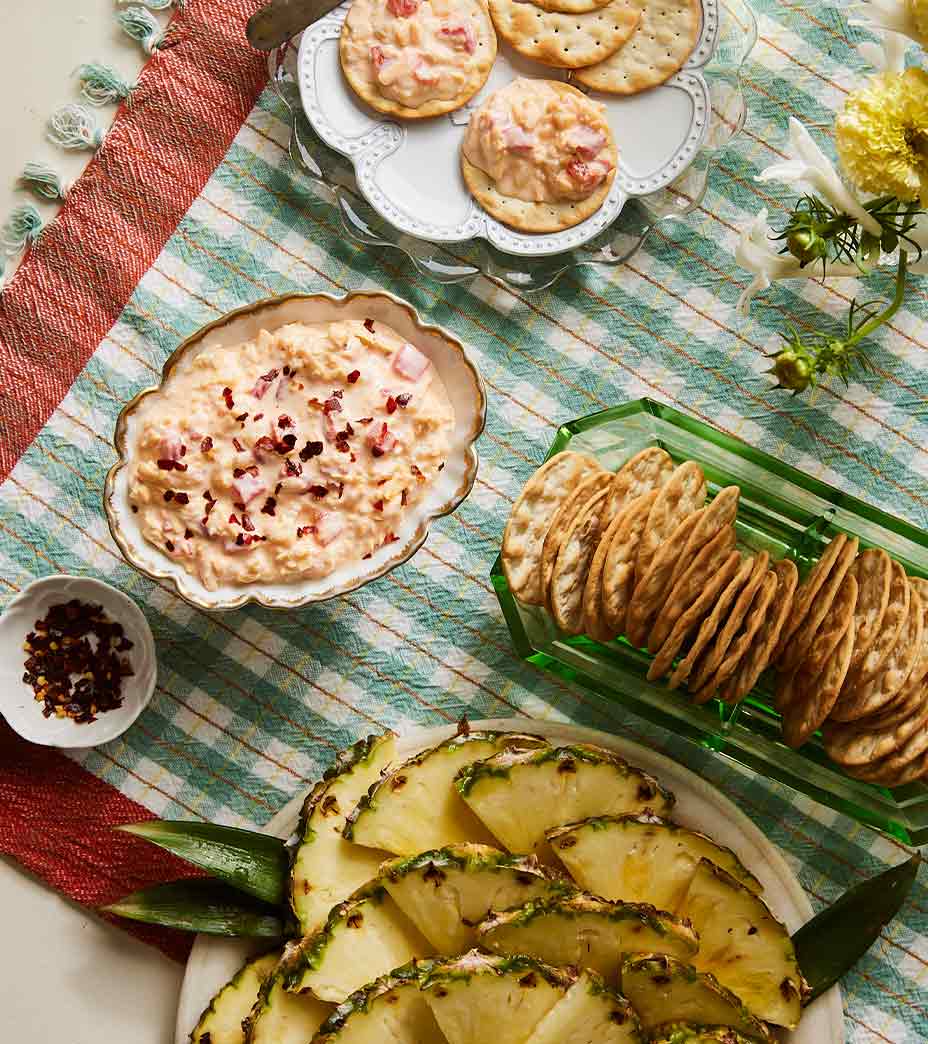
Kathryn McCrary
Makes 2 1/2 cups
1 (8-ounce) block extra-sharp cheddar cheese
1 (8-ounce) can crushed pineapple in pineapple juice, undrained
1/3 cup roasted red bell pepper strips, drained and roughly chopped
4 ounces cream cheese, softened
2 tablespoons mayonnaise
1/4 teaspoon salt
1/4 teaspoon crushed red pepper, plus extra for garnish
Dash of cayenne pepper
Grate the cheddar using the large holes of a box grater. Place the cheddar, pineapple, bell pepper, cream cheese, mayonnaise, salt, crushed red pepper, and cayenne pepper in a medium mixing bowl. Stir to combine. Garnish with crushed red pepper.
Store in the refrigerator in an airtight container for up to 1 week.
Pickled-Okra-Packed Pimento Cheese
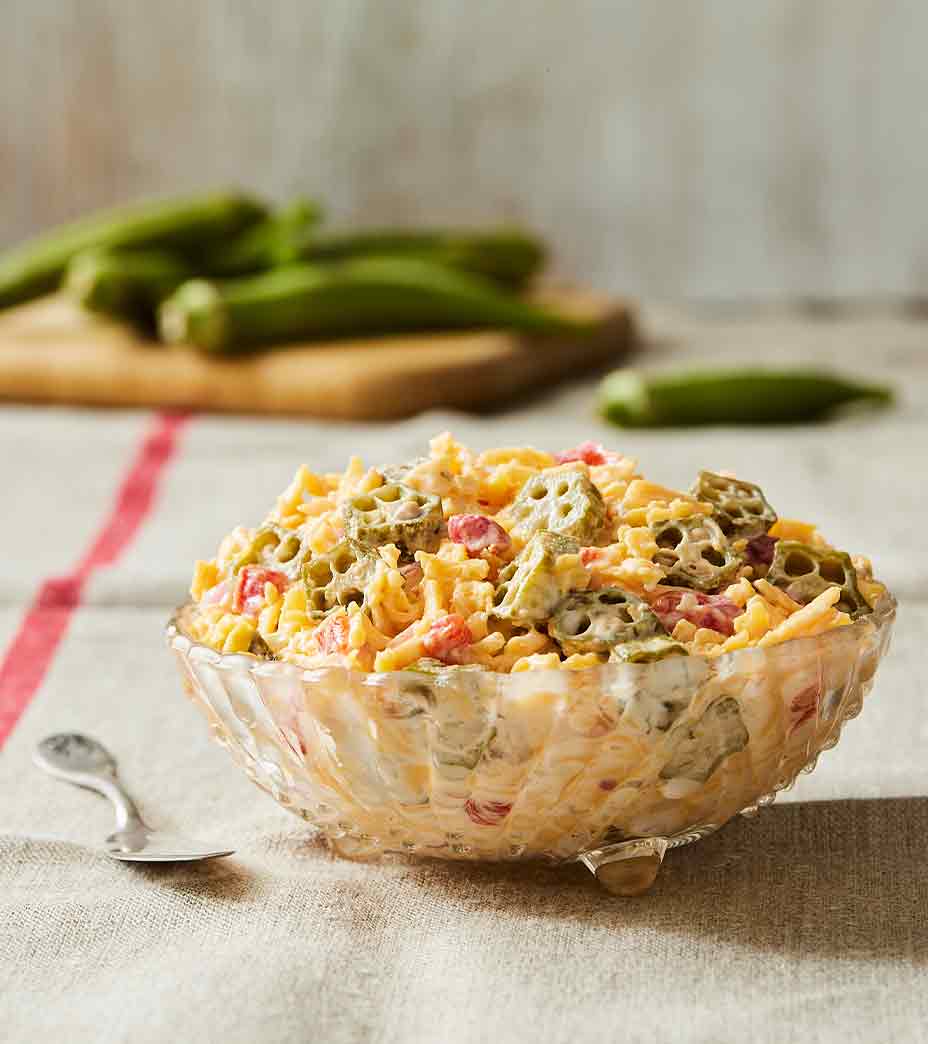
Kathryn McCrary
Makes 2 1/2 cups
1 (8-ounce) block medium cheddar cheese
1/3 cup mayonnaise
1/4 cup diced pimentos, drained
2 teaspoons Worcestershire sauce
1 small shallot, diced
1/4 teaspoon cayenne pepper
1/4 teaspoon salt
12 pods pickled okra, drained and thinly sliced (3/4 cup)
Grate the cheddar using the large holes of a box grater. Place the cheddar, mayonnaise, pimentos, Worcestershire, shallot, cayenne pepper, and salt in a medium mixing bowl. Stir to combine. Fold in pickled okra until well distributed. Chill for 2 hours before serving.
Store in the refrigerator in an airtight container for up to 1 week.
Disclaimer : This story is auto aggregated by a computer programme and has not been created or edited by DOWNTHENEWS. Publisher: golf.com








