
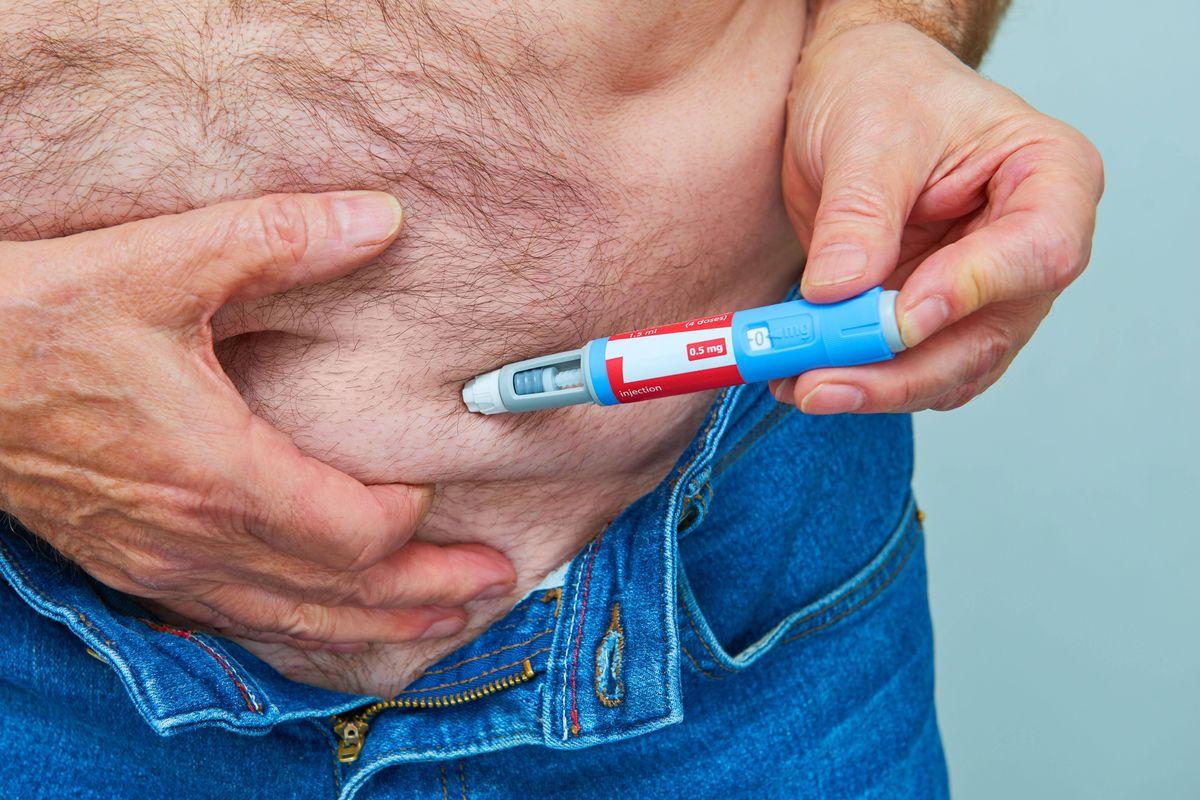
Fake weight-loss injections may appear to be a cheaper alternative but unregulated medicines can pose serious health risks
As demand for weight-loss jabs continues to surge, a new poll suggests criminals are taking advantage of the trend by posing as legitimate online pharmacies to sell counterfeit injections.
A survey of 100 online pharmacies by the National Pharmacy Association (NPA), which represents around 6,000 pharmacies across Britain, found roughly one in 10 online pharmacies reported having their websites or branding cloned by illegal sellers over the past year.
Worryingly, nearly two in five pharmacies said they had treated patients who had unknowingly purchased fake weight-loss drugs within the last 12 months.
Concern across the sector is widespread, with 95.2 per cent of respondents saying they are concerned about the illegal sale of these jabs and the risks that they pose.
NPA board member Sehar Shahid, an obesity specialist pharmacist and founder of 24HR Pharmacy, said her own business had been targeted by fraudsters.
Shahid warned that using unregulated medication can be extremely dangerous, as there are no guarantees around safety, dosage or ingredients.
“All regulated and licensed medications have gone through vigorous clinical trials so we understand what dose to give, what the potential side effects are, and how to use it,” she explains.
“However, with anything that’s fake, unregulated or hasn’t been approved yet, you don’t know what you’re putting into your body. We won’t know for sure what dose to give, what the side effects are, or how to take it. Therefore, anyone who is using something that’s unregulated or fake will put themselves at risk of side effects and becoming really unwell.”
Since her businesses was cloned by fraudsters, Shahid has since outlined seven key warning signs that could indicate weight-loss jabs are fake or unregulated.
Prices that seem to good to be true
“Prices will slightly differ from one provider to the next, but on average weight-loss medication usually starts from around £130 to £300,” says Shahid.
“So, if you’re being offered a price that’s far below the market range and it seems too good to be true, be cautious as it’s likely that medication is not genuine.”
No consultation process
If a provider doesn’t undertake a thorough video or in-person consultation before prescribing weight-loss medication, that’s a clear red flag.
The pharmacist explains: “All regulated providers are responsible for having a two-way dialogue with patients and should undertake a full medical history check.
“They should independently verify the patient’s weight, check what medical conditions patients have and what medications they are currently on, because that impacts whether weight-loss medications are suitable or clinically appropriate or not.”
Shahid added: “It’s also important that the provider checks things around mental wellbeing to see if the patient is fit to make decisions around their treatment and to check if there any history of eating disorders as well.”
Requests to transfer money
The pharmacist warns against purchasing any weight loss jags if the person selling them is asking for payment to be made through a bank transfer.
She explained: “If someone’s asking you to do a bank transfer or to pay via PayPal or via Bitcoin, that’s usually a red flag. All regulated online pharmacies will make you pay with your card on their website through a regulated payment gateway and won’t take payments over the phone or over messaging on social media.
“All transactions should be done through a registered website so the patient is protected.”
Slightly altered or suspicious website domains
“These criminals have become very sophisticated and will replicate a legitimate website very well, so sometimes it’s very hard for patients to spot a fake website upon first glance, but there are some key things that you can do,” says Shahid.
“Every regulated registered pharmacy has to be registered with the General Pharmaceutical Council and should be displaying their registration number which then links through to the GPhC register.”
She added: “When you click onto the register, check under more details to see what the exact web domain name is for that registered licence, because these unregulated or illegal websites often add a letter or word which makes it different to the real domain name.”
Lack of communication
According to the pharmacist another warning flag is the lack of communication between seller and patient. Shahid states: “A lot of these criminal businesses that are posing as regulated pharmacies often don’t speak to patients on the phone or have very minimal contact, so that is another red flag to look out for.
“As a patient, you want to be assured that you know who is providing and prescribing your medication. If you have any questions or concerns, you should be able to speak to somebody on the phone.”
Unusual appearance of the medication
The pharmacist warns of the dangers taking a jab which consists of cloudy liquid. “Usually with the injections, the liquid should be clear,” says Shahid.
“So, if the liquid is not clear, is a different colour, is cloudy, or if there’s any particles in it, that is a red flag and I would always advise a patient not to use it.”
Unsealed packaging
“The packaging should always come sealed, so if that seal is broken I would be worried because the medication inside might have been tampered with,” says Shahid.
“Also, if the packaging is discoloured, if the font doesn’t look aligned, if there are no batch numbers or expiry dates on it, if it doesn’t look like the original packaging or if it just looks poor quality, all these things could indicate that the product isn’t genuine.”
Disclaimer : This story is auto aggregated by a computer programme and has not been created or edited by DOWNTHENEWS. Publisher: www.dailyrecord.co.uk



