
- US ends waivers for Russian oil shipments currently at sea.
- No renewal for Iranian oil export relief measures announced.
- Tensions rise with Iran, impacting Strait of Hormuz shipments.
- Shift aims to restrict adversary revenue, potentially raising costs.
US Iran War: The United States has drawn a firm line on energy sanctions, with Treasury Secretary Scott Bessent confirming that Washington will not extend waivers allowing the purchase of Russian oil shipments currently at sea. He also ruled out any renewal of relief measures for Iranian exports, signaling a sharper enforcement approach at a time of heightened geopolitical strain.
In remarks to the Associated Press, Bessent made the administration’s position clear: “Not the Iranians. We have the blockade, and there’s no oil coming out.” He added that Iran could soon be forced to halt production, warning of potential long-term damage to its oil wells.
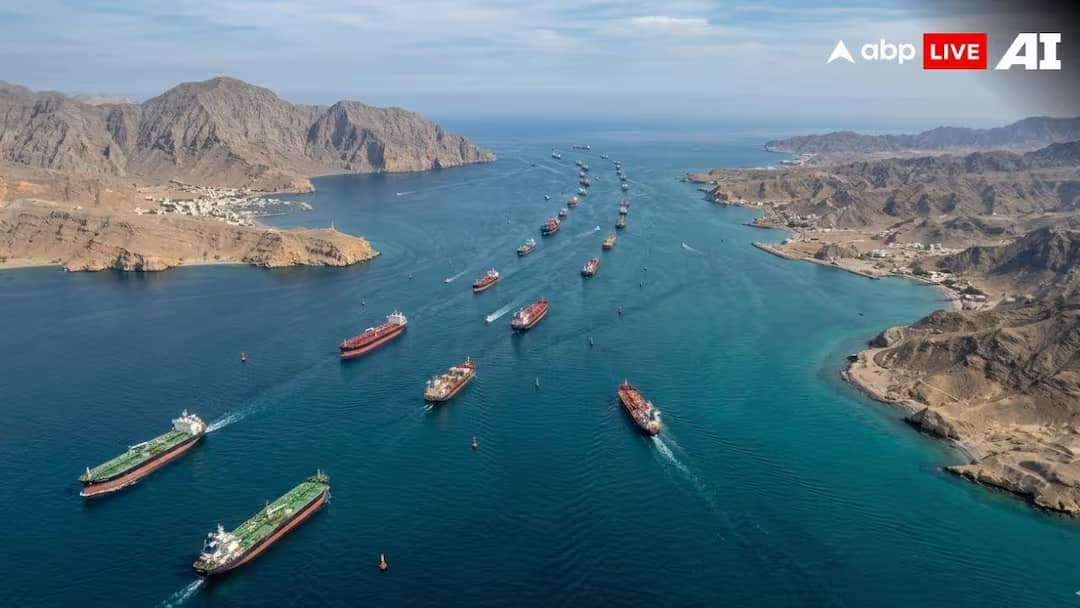
The announcement comes as tensions escalate involving the United States, Israel, and Iran, alongside the closure of the Strait of Hormuz—a critical artery for global oil shipments. The disruption has already rattled energy markets and intensified volatility worldwide.
Waivers Once Used To Stabilise Markets
The US had initially introduced waivers in March to ease pressure on global supply. A temporary exemption allowed Russian crude to continue flowing, helping to cool prices that had surged past $100 per barrel. Despite earlier indications that the relief would be short-lived, the Treasury briefly extended the waiver following appeals from vulnerable economies during meetings of the World Bank and the International Monetary Fund.
According to Bessent, more than ten low-income nations sought additional time, prompting what he described as a one-time extension. A similar waiver issued on March 20 permitted around 140 million barrels of Iranian oil to reach global markets, temporarily easing supply constraints.
Harder Line As Sanctions Tighten
With both waivers now expired, Washington is doubling down on sanctions targeting energy exports from Russia and Iran. Bessent indicated that most Russian oil shipments already in transit have been absorbed and suggested there would be no further leniency. “It was for those vulnerable and poor countries. But I wouldn’t imagine that we’d have another extension,” he said.
The shift marks a clear departure from earlier efforts to balance sanctions with market stability. Instead, the administration appears focused on restricting revenue flows to adversaries, even as global supply remains fragile.
Fallout For Global Markets, Importers
The decision is expected to have wide-ranging implications. For Iran, the blockade raises the prospect of imminent production shutdowns, while Russia faces tighter constraints on moving its crude to international buyers.
ALSO READ: US Expands Execution Methods Under Donald Trump, Adds Firing Squad, Electrocution
Before You Go
Politics: Journalists debate AAP’s collapse and damage-control strategy
Disclaimer : This story is auto aggregated by a computer programme and has not been created or edited by DOWNTHENEWS. Publisher: abplive.com



