
As travellers, we like to look on the upside. And if there is a silver lining to the current travel chaos spawned by the war in the Middle East, it’s the fact that it has reminded Australians of the many urban delights of the Asian continent on our doorstep.
With flights generally 10 hours or less, exchange rates that let you stretch your travel budget further, and cultures that take pride in spoiling visitors, Asia is a destination that can take the stress, and even expense, out of travelling.
It also happens to be home to some of the most intoxicating and largest cities in the world. Whether you like your cities big or small, chaotic or calm, Asia has you covered. It has ultra-modern cities with vertiginous skylines and futuristic public transport, and more languid cities with a laid-back tropical charm.
With such an array, ranking Asia’s top cities may seem an impossible task, but we are game to give it a go. Below is our countdown of the continent’s 25 must-visit cities. Our list may not chime with yours, so if you are livid at what we’ve left out, or rankled by a particular rating, let us know (see details at the end of the story).
25 Siem Reap, Cambodia
Sign up for the Traveller Deals newsletter
Get exclusive travel deals delivered straight to your inbox. Sign up now.
Population: 352,948
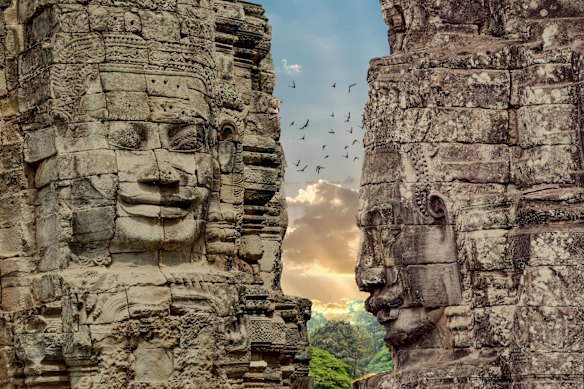
Best-known as the gateway for visiting the temples at Angkor Wat, Siem Reap is a lively place to base yourself for a few days. Its dining scene is thriving: book a table at Wat Damnak, Embassy or Miss Wong, and skip the raucous Pub Street in favour of Street 26 or Boho. When you have had enough temple action, try a day trip to the sacred mountain of Phnom Kulen, or a boat cruise on Tonle Sap lake. See visitsiemreap.com.kh
24 Kuala Lumpur, Malaysia
Population: 9 million
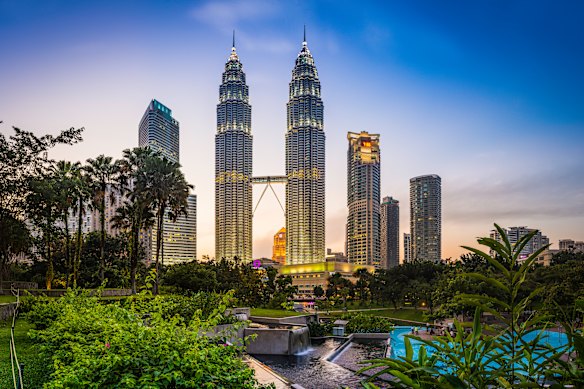
The gleaming Petronas Towers, once the tallest in the world, tell one story about Kuala Lumpur; the KL Forest Eco Park, where you can take a canopy walkway in the heart of town, tells another. Malaysia’s multi-ethnic capital defies easy categorisation, but one thing unites all its inhabitants: a reverence for good food. Best places to go for quality grazing include the hawker stalls at Jalan Alor Food Street, Taman Connaught Night Market or the ever-colourful Jalan Petaling. See malaysia.travel
23 Hoi An, Vietnam
Population: 89,653
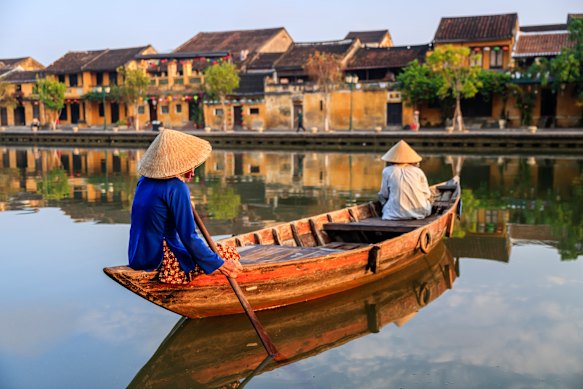
Yes, it is touristy, but Hoi An’s historic streets are also undeniably pretty, particularly on balmy lantern-lit nights. The city’s distinctive yellow-walled buildings blend Vietnamese, Japanese, Chinese and European styles, and many of its historic houses are open to visitors. Hoi An is renowned for its abundance of tailors, but other traditional crafts also flourish here, including potters, woodworkers and papermakers. If you love tucking into local delicacies, order up some cao lau (pork noodles) and com ga (chicken rice). See vietnam.travel
22 Osaka, Japan
Population: 18.9 million
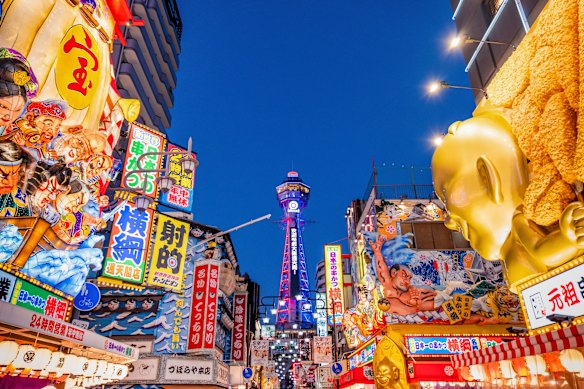
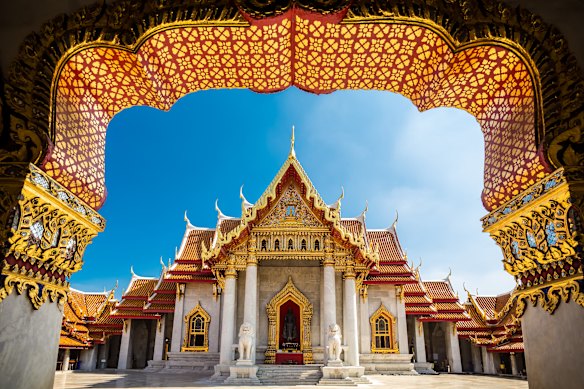
Known locally as “Japan’s kitchen”, Osaka is the birthplace of classic dishes including okonomiyaki pancakes, mochi rice cakes, and takoyaki, deep-fried octopus balls. Not that everything here is about food: Osaka is also home to Japan’s longest shopping street (the 2.6-kilometre-long Tenjinbashi-suji), an imposing castle, a Universal Studios theme park and the over-the-top Spa World hot springs complex, which recreates bathing experiences from ancient Rome and Persia, as well as traditional onsens. See osaka-info.jp
21 Colombo, Sri Lanka
Population: 5,223,838
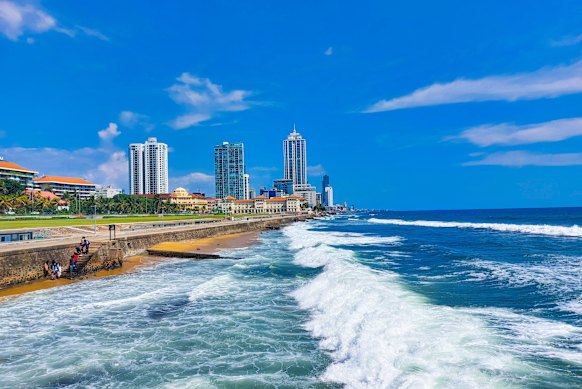
Many visitors skip Sri Lanka’s capital entirely, but Colombo deserves a couple of days of your time. Alongside the bustling Pettah Market, a sprawling bazaar spread out over multiple city blocks, the must-see is the Colombo Fort neighbourhood, with its beautifully restored colonial buildings. Its Dutch Hospital precinct offers plenty of choice when it comes to shopping and dining, including Colombo’s most celebrated restaurant, The Ministry of Crab. The serene Gangaramaya Temple on Beira Lake shows a different side to the city. See srilanka.travel
20 Phnom Penh, Cambodia
Population: 2,426,000
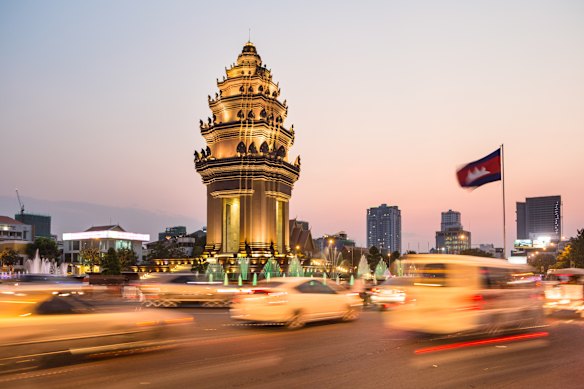
Land at the impressive new Techo International Airport, where living trees are planted between the baggage belts, and you quickly realise Phnom Penh has changed. Once dusty and under-visited, Cambodia’s capital has become a skyscraper-studded city with a pumping creative scene. Historic attractions range from the glittering (Royal Palace) to the grisly (Tuol Sleng genocide museum), while downtime destinations include the pedestrian riverfront Chaktomuk Walk Street and the boutiques and galleries of the tree-lined Street 240. See phnompenh.gov.kh
19 Yogyakarta, Indonesia
Population: 476,000
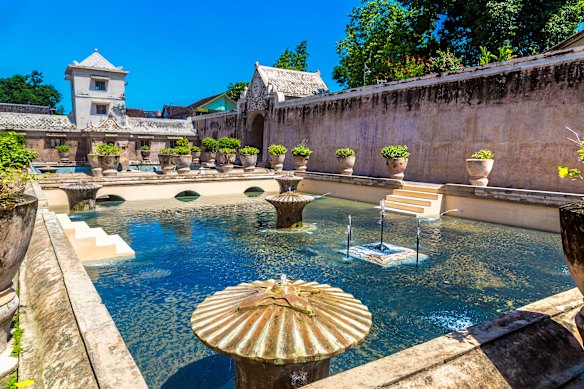
Just as London has Buckingham Palace, Yogyakarta has the Kraton, the dwelling of Yogyakarta’s sultan, who still wields considerable political and cultural power. Yogyakarta is also home to a wealth of traditional artisans, and also has a rich collection of traditional wooden joglo houses, assembled like giant puzzles without using hammer and nails. A trip to the nearby temples of Borobodur and Prambanam is essential, as is a visit to the 18th century royal pleasure garden at Taman Sari. See visitingjogja.jogjaprov.go.id
18 Fukuoka, Japan
Population: 5,453,200
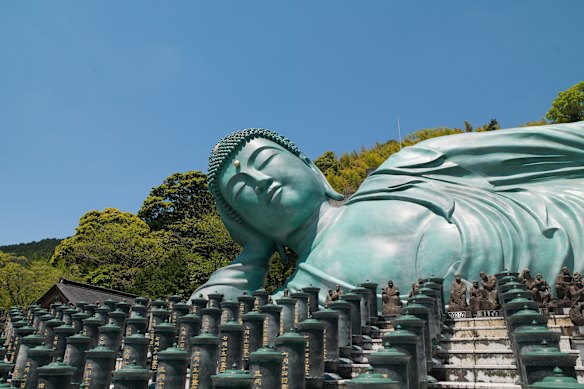
The largest city on the island of Kyushu, Fukuoka feels a lot less overwhelming than some of Japan’s better-known destinations. Its food scene is famous throughout Japan, particularly the yatai food stalls that turn the city’s walkable streets into an extended dining room every night (try the tonkatsu ramen, a local specialty). Other attractions include the giant reclining Buddha (it weighs as much as a jumbo jet), the tranquil Ohori Park and Hakara Kawabata-dori shopping street. See gofukuoka.jp
17 Delhi, India
Population: 34.67 million
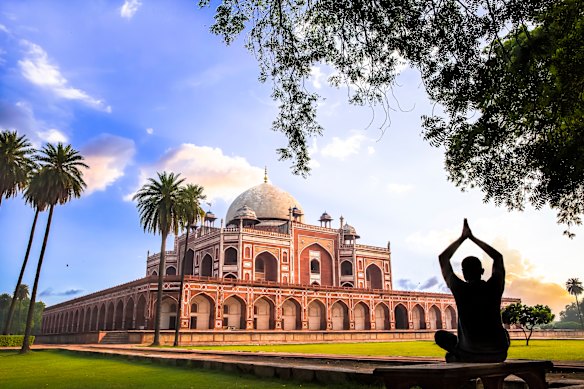
Don’t listen to the detractors – India’s largest city has plenty to offer visitors. Aside from Mughal monuments such as Humayun’s tomb, the Red Fort and the Jama Masjid (the last two built by the sultan who also commissioned the Taj Mahal), there is the exquisite lotus-shaped Bahai House of Worship, the over-the-top Aksharham temple, and the colourful street art of Lodhi colony. Chandni Chowk may be India’s single best eat street, featuring a cavalcade of flavours from across the country. See delhitourism.gov.in
16 Hangzhou, China
Population: 8,749,670
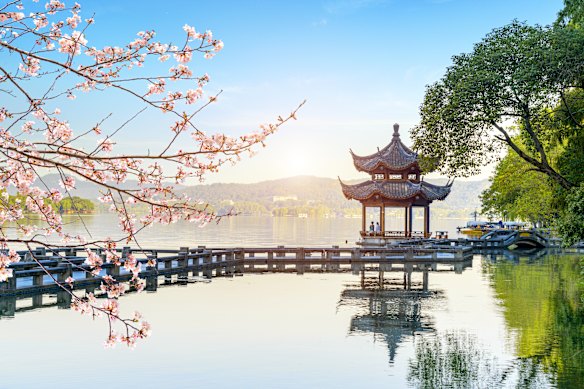
It may no longer be “the finest and most splendid city in the world”, as Marco Polo described it when he visited almost 800 years ago, but Hangzhou’s lakes and gardens make this an easy place to love. Take a wooden boat across the willow-fringed West Lake, sip the local longjing green tea and visit the ancient Lingyin temple and the nearby Buddhist rock carvings, before exploring the light fresh flavours of Zhejiang cuisine, one of China’s Eight Great Culinary Traditions. See ehangzhou.gov.cn
15 Hanoi, Vietnam
Population: 8.8 million
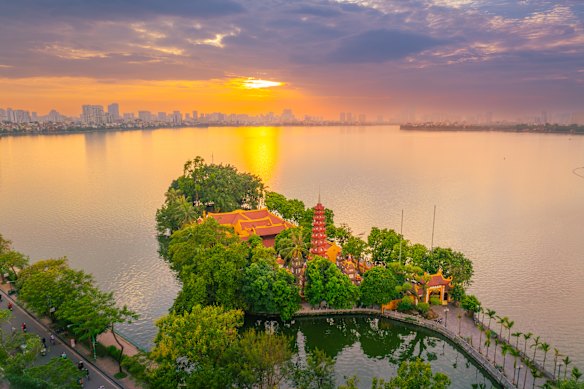
Wake up and smell the pho. When the aroma of anise-scented broth accompanies your morning walk, you know you are in Hanoi. The Old Quarter is guaranteed to stimulate your senses, with blacksmiths hammering and incense drifting out from the temples. Hanoi has been Vietnam’s political and cultural heart for a millennium, so there are plenty of monuments and museums to explore. The Imperial Citadel, Hoan Kiem lake with its dragon-topped tower, and the 1000-year-old Temple of Literature are at the top of the list, while the National Fine Arts Museum has an appealing collection of painting, sculpture and decorative objects. The most enjoyable thing to do in Hanoi, however, is to relax into the local lifestyle, whether that is an early morning walk around the lake or whiling away some time in one of the traditional coffee houses. See vietnam.travel
14 Busan, South Korea
Population: 3.6 million
Korea’s second city is one of Asia’s most underrated destinations, with a winning combination of beaches, mountains and temples. Start your explorations at Korea’s most famous seafood market, Jagalchi, then head up to the colourful Gamcheon Cultural Village. Originally a shanty town housing refugees from the Korean War, its alleyways are now full of cafes and galleries. Busan is also home to some memorable temples, including the seafront Haedong Yonggungsa Temple and Seokbulsa, carved into the side of Geumjeong mountain. Other highlights include the Ahopsan bamboo forest and the city’s many hiking trails, including the easy Moontan Road route that winds through a cedar forest. The city is also a cultural powerhouse, with a flourishing art and design scene (check out the F1963 design centre) and the high-profile Busan International Film Festival. See visitbusan.net
13 Kolkata, India
Population: 22.5 million
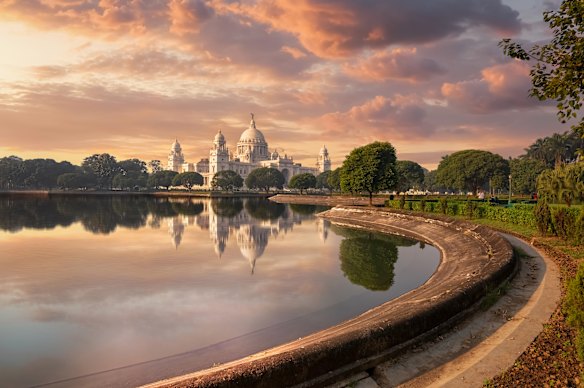
Don’t bother visiting Kolkata (formerly known as Calcutta) if you are in a rush. It takes time to get under the skin of India’s most beguiling big city. Come for a day or two, and you are unlikely to see much beyond the gleaming white Victoria Memorial and the grand buildings of Dalhousie Square. Stay a bit longer to discover Kolkata’s atmospheric neighbourhoods, from the art deco architecture of South Kolkata to the historically multicultural communities including Chinese and Armenians. Visits to Kolkata’s sprawling flower market, open from early morning until well into the evening, and to the Kumartuli neighbourhood, where potters create statues for religious festivals, are guaranteed highlights. Leave time for a cheap meal at the historic Indian Coffee House, a long-time hub for the city’s intellectuals. See incredibleindia.gov.in
12 Taipei, Taiwan
Population: 2,434,479
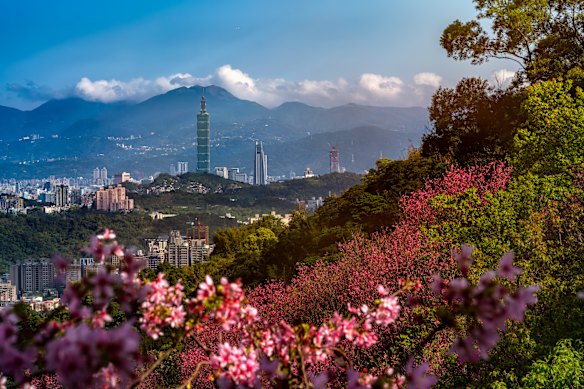
Everyone talks about the food. The oyster omelettes and braised pork belly buns, the bubble tea and the stinky tofu. And yes, Taiwan’s night markets are a gluttons’ delight, but eating is only one of the attractions of Taipei. Surrounded by mountains known as the Four Beasts – the Tiger, Leopard, Lion and Elephant mountains – the city has some great hiking routes. Elephant Mountain has the easiest and most popular trails, Tiger Mountain gives you the best chance of escaping the crowds. If you prefer two wheels to two legs, Taipei’s riverside cycleways are a fun way to get out and about. For a culture hit, the National Palace Museum has an extraordinary 700,000-strong collection of imperial artefacts, while in historic neighbourhoods such as Tamsui, you can trace the legacy of past rulers including the Qing dynasty, the Japanese, the Spanish and the Dutch. See travel.taipei
11 George Town, Malaysia
Population: 765,884
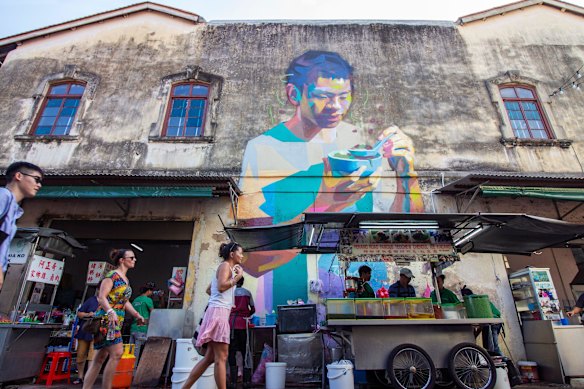
Some cities are polarising. People either love them or hate them. Penang’s capital, George Town, is not one of them. There is something about this walkable city, its effortless blending of Malaysian, Chinese and Indian influences and its genuine welcome that wins over all comers. You can see it in the city’s famous street art, whimsical murals designed to add to, rather than distract attention from, the surrounding buildings. You can see it in the dedication to eating well – George Town is reputed to have the best food in Malaysia – and the way locals are always willing to pass on recommendations. And as you stroll from one sight to another, from the Chew Jetty stilted village to the imposing Leong San Tong Khoo Kongsi clan house or the Pinang Peranakan Mansion, you will see it in the locals’ good-natured smiles. See mypenang.gov.my
10 Jaipur, India
Population: 4.4 million
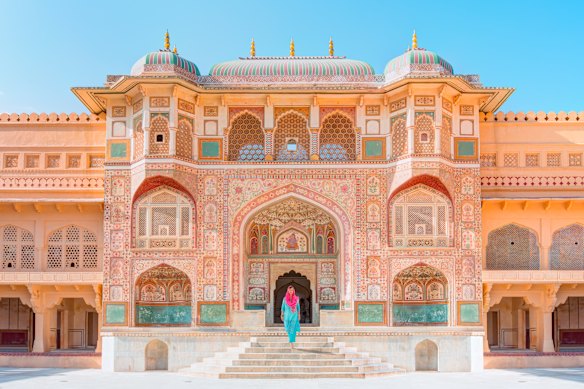
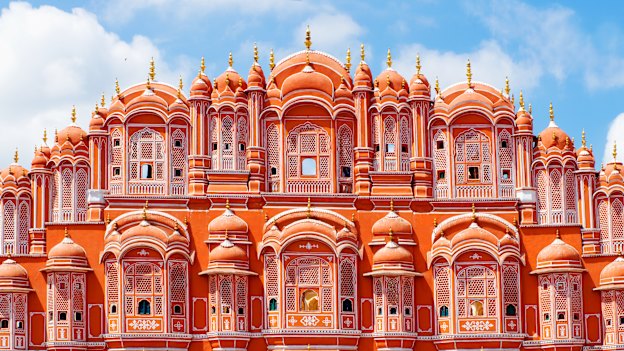
Now this is what you came to India for. Rajasthan has an abundance of beautiful cities, including Jodhpur and Udaipur, but Jaipur’s blend of big-city buzz and mighty monuments lifts it above its rivals. Step inside the pink walls of the old city to visit the City Palace, the striking Hawa Mahal, where the honeycombed windows allowed the royal women to watch the goings-on of the city, and the Jantar Mantar observatory. Take in the views from the city’s three forts, particularly the Amber Fort, and then hit the city’s bazaars for some retail therapy – Bapu Bazaar for textiles, Johari Bazaar for jewellery and Tripolia Bazaar for pottery. When you need some time out, Jaipur’s cafes and cocktail bars are waiting. And of course, there is plenty of delicious Rajasthani cuisine to try, including gatte ki sabzi dumplings. See tourism.rajasthan.gov.in
9 Beijing, China
Population: 22.6 million
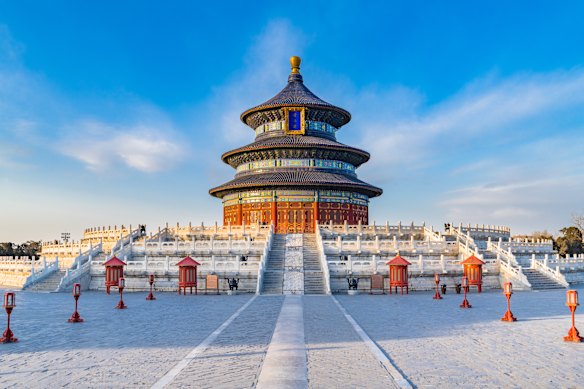
Frankly, we’d go for the gardens alone. Tiananmen Square and the Forbidden City, home to the emperors of the Ming and Qing dynasties, may be more famous, but Beijing’s most appealing destination has to be the Garden of Preserving Harmony, usually referred to in English as the Summer Palace. Spanning about 300 hectares, it features a lake that is more than two kilometres long along with lashings of grand towers, pavilions and plantings. Elsewhere in town you can go old school with a stroll through one of the city’s remaining hutong neighbourhoods, or new wave, checking out the Olympic architecture of the Bird’s Nest Stadium and the Water Cube. Don’t leave town without tucking in to some Peking duck and taking a day trip to the Great Wall. See english.visitbeijing.com.cn
8 Ho Chi Minh City, Vietnam
Population: 14 million
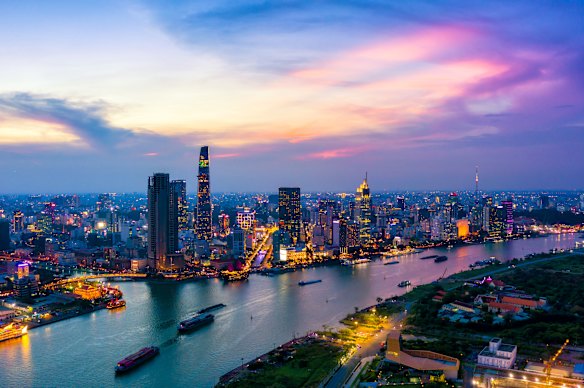
In Australia, it is Sydney v Melbourne. In Vietnam, it is Ho Chi Minh City v Hanoi. Both cities have their partisans, but the buzz of Ho Chi Minh City – formerly known as Saigon – has an irresistible pull. This cosmopolitan city’s large numbers of students, entrepreneurs and expats give Ho Chi Minh City a distinctive energy that permeates every neighbourhood, from the tree-lined streets of District One – home to colonial-era landmarks such as the Saigon Opera House and the Central Post Office – to Chinatown and the dining hub of District 3. Locals work hard and play hard: start with a drink or two at one of the craft breweries or rooftop bars, before grabbing a bite to eat. Alongside local specialties such as com tam (broken rice) or banh xeo pancakes, this is the best place to sample food from all over Vietnam. See visithcmc.net
7 Kyoto, Japan
Population: 1.5 million
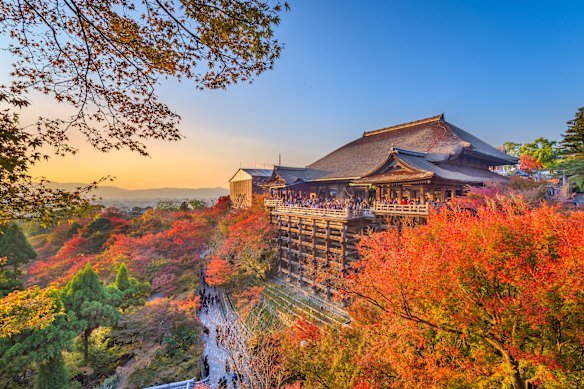
The key to enjoying a stay in Kyoto is simple: forget about trying to see everything. In a city with more than 2000 Buddhist temples and Shinto shrines, that is never going to happen. Instead, pick a couple to put on your list – perhaps Kiyomizu-dera for the architecture, Fushimi Inari Taisha for its magnificent tunnel of tori gates, and Heian Jingu shrine if you love gardens. Throw in Arashiyama Bamboo Grove for its sheer beauty, and then set about really getting to know the city that was Japan’s imperial capital for more than 1000 years. A stay in Kyoto is less about sightseeing and more about experiencing the rituals of an ancient way of life. Savour the serenity of a tea ceremony, feast on a multi-course kaiseki meal, visit the workshop where artisans hand-make candles for shrines, and you will start to understand how this city rolls. See kyoto.travel
6 Singapore
Population: 6.1 million
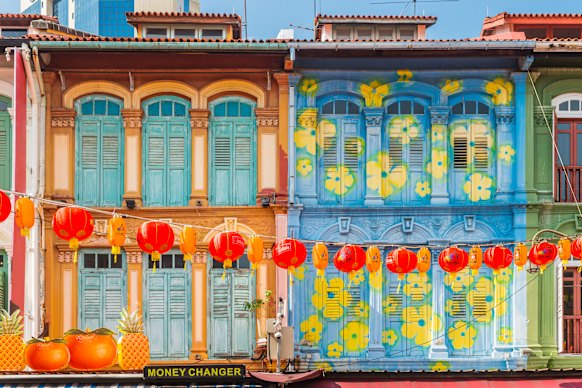
Whichever way you measure it, Singapore punches well above its weight. For a city-state that is both young – it recently celebrated 60 years of independence – and small (less than a third the size of the ACT), this melting pot does an amazing job of catering to just about every type of traveller. There are plenty of colourful neighbourhoods to explore. In fact, the list keeps getting longer, with Chinatown, Little India and Kampong Gelam now joined by the likes of Katong-Joo Chiat. There are glorious green spaces, from Gardens by the Bay to the 10 kilometre Southern Ridges walking trail connecting five separate parks. The food is justly famous, whether you scoop up bargains at the hawker centres or splurge on some of the celebrated fine diners, the bar scene is just as happening, and let’s not forget the family-friendly attractions at Sentosa island or the laid-back pace of smaller islands such as Pulau Ubin. See visitsingapore.com
5 Hong Kong, China
Population: 7.5 million
They say the best view in Hong Kong is the panoramic view from the top of Victoria Peak, gazing down those towering skyscrapers and that picturesque harbour. If you really want to get to grips with this city, however, it’s the more up-close views that count.
It is the sight of a small cup of milk tea served on a formica tabletop in a cha chaan teng diner, and incense billowing from a tiny temple in Central. It is light spilling from late-night mah-jong parlours and moodily lit sky-high cocktail bars; perusing artworks by young local talents at Sham Sui Po’s DX Design Hub, and the suck-in-your-stomach ride on “ding ding” tram right through the middle of Chun Yeung Street Wet Market, which puts you within touching distance of the vendors.
Hong Kong is a place that thrives on its contradictions, a city that can embrace both the commercial buzz of Central and the languid joy of an afternoon sipping raft beer on Lamma island. And it is also home to one of the world’s great journeys: the quick ride on the Star Ferry from Central to Kowloon, drinking in million-dollar views for less than the price of a cup of coffee. See discoverhongkong.com
4 Shanghai, China
Population: 30 million
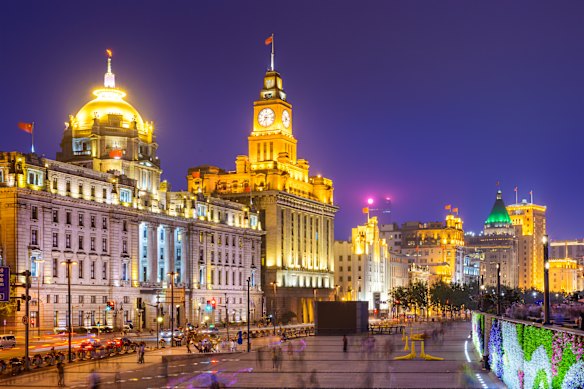
If you could travel back in time a century or so, you would see chic Shanghainese promenading along The Bund to admire the modern architecture arrayed along its length. The Bund is still loved by strollers, but today the lure is the neon-lit skyline of Pudong on the opposite side of the Huangpu River. Which just goes to show that in China’s biggest city, the more things change, the more they stay the same.
From the moment you arrive – probably via the world’s fastest train, the Maglev from the airport, which covers 30 kilometres in just eight minutes – there is much to marvel at. From Kengo Kuma’s pleated facade for the Hongkou Soho skyscraper and the curved nautilus shape of Perkins + Will’s natural history museum, the city’s cutting-edge contemporary architecture sits surprisingly well beside historic neighbourhoods such as the French Concession.
In a city aiming for carbon neutrality (a bold goal given its population of 25 million), it is no surprise that repurposing buildings has become a fine art. Among our favourites: the old Power Station of Shanghai that now hosts large-scale art installations, and the cultural hub 1933 Slaughterhouse, its name nodding to both the year of its construction and its original function. See meet-in-shanghai.net
3 Seoul, South Korea
Population: 10 million
Forget about sleeping in. Seoul has an undeniable bright-lights-big-city energy that befits the capital of a country that woke up to find itself the centre of a cultural craze. As the Hallyu, or the Korean Wave, has swept across the globe, winning fans with everything from K-beauty to K-culture, Seoul has happily stepped into the spotlight.
But this is not a place that simply discards the old to embrace the new. While you will find plenty of soaring skyscrapers, modern malls and futuristic complexes like Zaha Hadid’s Dongdaemun Design Plaza, Seoul still celebrates its past. Gyeongbokgung, the Palace of Shining Happiness – one of five major palaces in Seoul – sits calmly amidst the metropolis, and traditional tea houses offer moments of respite, as does the wild expanse of Bukhansan National Park, a quick subway ride from downtown.
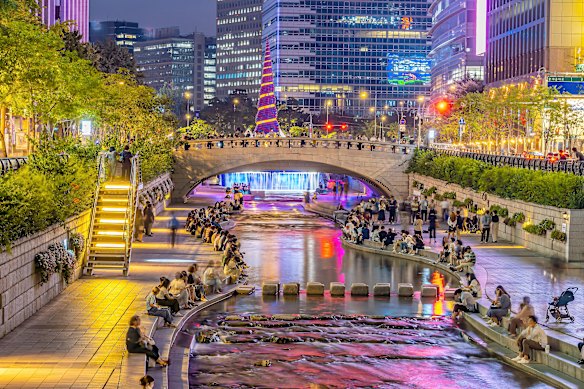
The food is an attraction in its own right, but perhaps Seoul’s most appealing areas are those where old meets new: neighbourhoods such as Seongsu-dong, where industrial warehouses have been repurposed into cafes, galleries and ateliers, or Cheong-gye-cheon, a stream once buried beneath an elevated highway, now offering refreshing escape from the city’s endless hustle. See english.visitseoul.net
2 Bangkok, Thailand
Population: 11.4 million
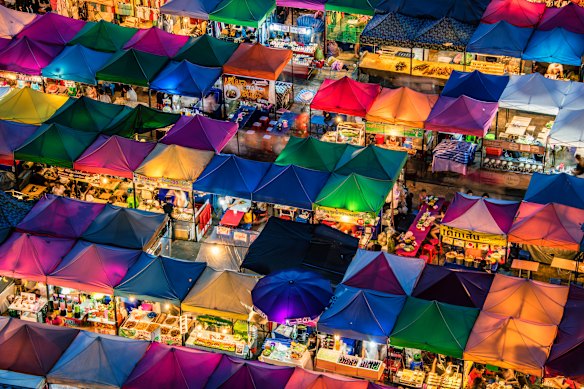
Green curries. Wince-inducing pressure-point massages. Flower offerings carefully placed in front of miniature spirit houses. Australians have a love affair with all things Thai, and that includes the country’s bustling capital. We’re not alone either; an estimated 30 million international arrivals made Bangkok the world’s most-visited city in 2025.
The beauty of Bangkok is that it never sits still. Yes, you can still spend a balmy evening kicking back in one of its many rooftop bars, find yourself sitting knee-to-knee with saffron-clad monks on the BTS Skytrain, or try not to get lost while bargain hunting in the sprawling Chatuchak markets. And it goes without saying that the food scene remains one of the best on the planet, with world-leading chefs as well as extraordinary street food.
But Bangkok’s neighbourhoods keep evolving, offering new experiences even for repeat visitors. Places like Songwat Road, where street art now punctuates the centuries-old shophouse; Ari, with its hipster cafes and mouthwatering night market; and the rejuvenated riverside district. Go in search of a new way to enjoy Asia’s City of Angels and you are guaranteed to find it, whether it is an electric boat ride through the canals or cycling through lush Phrapadaeng, Bangkok’s Green Lung. See visit.bangkok.go.th
1 Tokyo, Japan
Population: 33 million
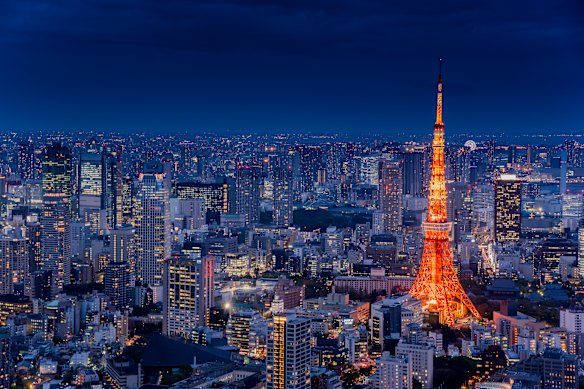
More than a million Australians visited Japan last year. Perhaps you were among them; perhaps your friends and family were. One way or another, you have probably been talking about Tokyo, and chances are it has all been good.
It is not difficult to see why we love Japan’s capital. Home to about 40 million people across the greater Tokyo area, Tokyo still manages to be a well-ordered, well-mannered metropolis. The horizon may be hidden behind countless skyscrapers, and thousands of people may surge across Shibuya Crossing every day, but there are still plenty of quiet pockets, including the sublime Koishikawa Korakuen Gardens.
You can visit world-class galleries, from the Mori Art Museum to teamLab’s immersive digital displays, or hang out with the cosplay kids in Harajuku. You can feast on ramen at a hole-in-the-wall or sit down in a Michelin-starred restaurant. But it is the little details that really define this city: the challenge of tracking down the latest cool cocktail bar tucked away inside a nondescript office building, or picking up gourmet treats at the local convenience store. Even some of the public toilets are works of art, designed by top architects such as Kengo Kuma and Tadao Ando. Who can resist a city that turns a loo stop into a memory? See tokyotokyo.jp
Agree? Disagree? Please let us know, along with your own nominations of great Asian cities, by writing to us at travellerletters@traveller.com.au We’ll publish the most interesting comments and answers in a future edition of Traveller.
Disclaimer : This story is auto aggregated by a computer programme and has not been created or edited by DOWNTHENEWS. Publisher: www.smh.com.au


