
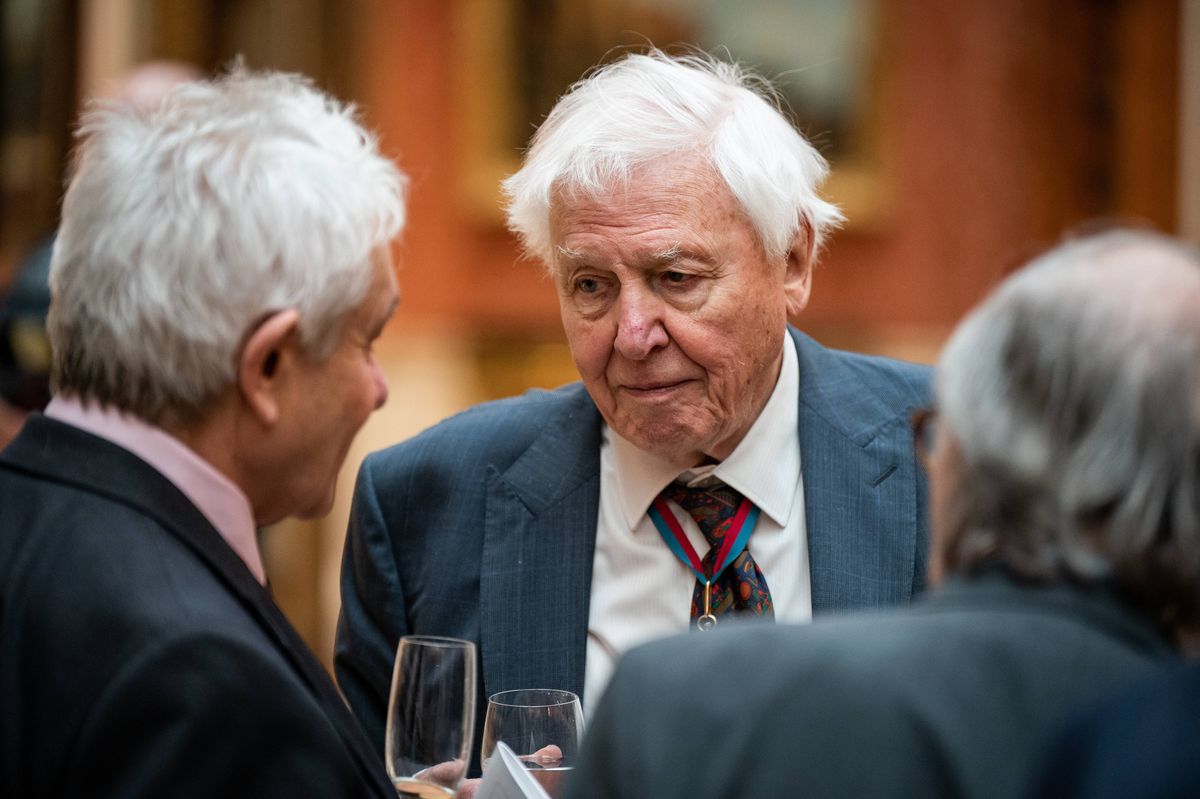
The broadcaster previously spoke about his choice and wanting to reach his milestone birthday on May 8
Sir David Attenborough has previously said how much he wants to make his 100th birthday, which is just a week away. The legendary BBC broadcaster credits part of his long-lasting health and energy to a diet change that could help millions extend their own lives.
While not fully vegetarian, Sir David has substantially reduced his red meat intake, a decision he believes has played a role in his remarkable longevity. This isn’t a new choice, as the broadcaster spoke about his diet as far back as 2017.
He said: “I have certainly changed my diet. Not in a great sort of dramatic way. But I don’t think I’ve eaten red meat for months.” While he continues to enjoy cheese and fish, he admitted he has “become much more vegetarian” than he’d ever expected.
“There is clear science behind the benefits of adopting a more plant-based diet when it comes to overall health and longevity.” The 99-year-old has dramatically reduced his consumption of red meat – including dishes like beef, lamb, mutton, pork, veal, venison and goat.
The TV icon will mark his 100th birthday on Friday, May 8, having been born in 1926. As this remarkable milestone approaches, he has admitted during one of his most recent programmes, Ocean, that he is ‘approaching the end of his life.’
The NHS warns that eating too much processed and red meat may raise the likelihood of developing bowel (colorectal) cancer. Such meats often contain high levels of saturated fat, which, when eaten in excess, can raise blood cholesterol and heighten the risk of coronary heart disease, reports Surrey Live.
Before cutting any foods from your diet, it’s essential to ensure you’re still getting all necessary nutrients and to consult your GP first. Failing to stick to a nutritious, balanced diet can lead to health problems.
Experts at Harvard Health suggest that people who want to cut down on red meat should find suitable alternatives to ensure they get enough protein. Daniel Pendick, former executive editor of Harvard Men’s Health Watch, said that replacing just one daily portion of red meat with other options – like chicken, turkey, fish or low-fat dairy – could reduce mortality risk by between 7% and 19%.
Even while following a healthy diet and keeping his brain engaged, Sir David Attenborough revealed his personal worries about growing older during a 2021 conversation with Anderson Cooper. He voiced his anxiety about mental decline and the fear of becoming “helpless” through conditions such as Alzheimer’s.
Speaking to the Telegraph, he also shared his concerns about ageing and “coming to terms” with the possibility of losing his memory. Despite this, Sir David remains a prominent presence, lending his iconic voice to BBC wildlife documentaries.
Benefits of cutting down on red meat
Eating red meat has been linked to elevated saturated fat intake, which can raise LDL ‘bad’ cholesterol. This, in turn, can heighten the risk of cardiovascular diseases, according to Cleveland Clinic Health Essentials. Studies also suggest that cutting back on or eliminating red meat from your diet may reduce the risk of heart disease and associated deaths.
Research has connected high consumption of red meat with a heightened risk of colorectal cancer, according to the Scottish Cancer Foundation. Cutting down on red meat may also reduce the risk of developing other cancers and evidence further suggests that reducing red meat intake is associated with a lower likelihood of developing type 2 diabetes.
Diets which restrict or exclude meat generally contain fewer calories and less fat, helping with weight loss and maintaining a healthy weight. A plant-based diet is typically rich in fibre from vegetables, fruits, and grains, promoting a healthy gut microbiome and potentially boosting metabolism and general wellbeing. It’s crucial to consult your GP before deciding to cut down on red meat.
Who is David Attenborough?
Sir David Attenborough has mesmerised millions by bringing the natural world directly into our living rooms and classrooms. Throughout the decades, his extraordinary career has been driven by an unrelenting dedication to discovery, exploration, creativity and education.
The renowned writer, broadcaster and naturalist studied at Clare College, Cambridge. Following a period with an educational publishing firm, he began his broadcasting journey as a BBC trainee in 1952. As controller of BBC Two, he was instrumental in introducing Europe’s first colour television transmissions.
For seven decades, he has remained the distinguished voice of natural history programming, showcasing the wonders of the natural world. He has produced nature series from all corners of the world since the 1950s, right up until recently.
A few pieces of his latest works saw him discover some of Britain’s most diverse gardens in ‘Secret Garden’, and the diverse wildlife that calls the city of London home in ‘Wild London’. More than 40 animal and plant species bear his name in tribute, alongside a constellation.
Disclaimer : This story is auto aggregated by a computer programme and has not been created or edited by DOWNTHENEWS. Publisher: www.dailyrecord.co.uk







