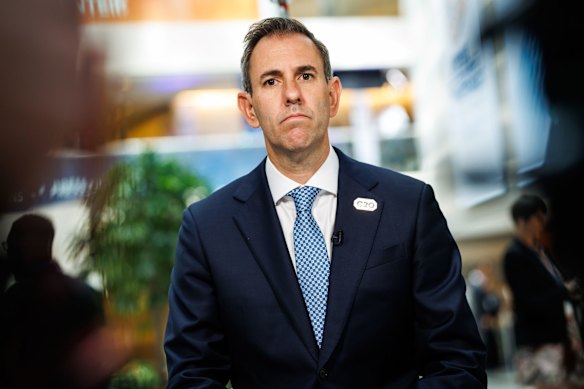

The nation’s taxpayers are on the hook for at least an extra $60 billion in spending on everything from public hospitals to dealing with the fallout from cyclones and flooding, putting more pressure on Treasurer Jim Chalmers to find savings in next month’s federal budget.
In a fiscal blueprint already under pressure because of the economic fallout from the US-Israel war against Iran and growing inflation, policy decisions and some unavoidable financial hits have increased the challenges facing Chalmers and Finance Minister Katy Gallagher.
The 2026-27 budget, which in his mid-year update Chalmers forecast would carry a deficit of $34.3 billion, is expected to show a near-term increase in revenue as commodity prices and inflation deliver stronger than expected tax receipts from companies and workers.
But higher inflation also means an increase in indexed welfare payments, including those to carers (which will cost an extra $1.5 billion over the next four years) and aged pensioners ($1.5 billion).
In a sign that Chalmers is expecting the war to hit the nation’s jobs market, Jobseeker payments are tipped to be $3.2 billion higher than had been forecast in the mid-year update and disability support pensions are tipped to be $4.4 billion higher.
The largest hit to Chalmers’ budget is from the government’s revamped five-year hospital agreement to the states, which is set to cost the budget an additional $25 billion. New drugs and amended listings on the Pharmaceutical Benefits Scheme will deliver a $6 billion hit over four years to the budget.
The recently announced lift in defence spending will cost taxpayers an additional $14 billion and natural disasters, including the fallout from Cyclone Koji and Cyclone Alfred, will deliver a $2.5 billion budget hit.
Chalmers, who has promised the budget will contain packages covering tax, savings and productivity, said he and Gallagher were making space for spending in areas of importance.
“Since we came to government, we’ve delivered a more than $200 billion turnaround in the budget, turned two deficits into two surpluses and paid down $176 billion of Liberal Party debt, but we recognise that the job’s not done,” he said.
“Responsible economic management and spending restraint are defining features of this Albanese government, and they will be defining features of the budget, and that will be crucial in the context of important and unavoidable spending pressures.”
The war in Iran and Australia’s lift in inflation, which this week hit a three-year high of 4.6 per cent, are also putting pressure on the budget’s interest bill, which had been forecast to reach a record $33.1 billion in 2026-27.
Interest rates on government debt, which had been expected to average 4.4 per cent over the next 10 years, have stepped up over the past three months. Chalmers is expected to confirm gross debt, which is at $966 billion, will cross the $1 trillion mark in the next financial year.
That debt, on top of the lift in interest rates, will push up the nation’s interest bill.
“The conflict in the Middle East also means higher borrowing costs on the debt that we inherited that will hit the budget hard, and higher inflation that will flow through to higher payment costs,” Chalmers said.
But shadow treasurer Tim Wilson said the inflation issues hurting the budget were largely due to Chalmers’ handling of the budget.
“If only Jim Chalmers had taken inflation seriously, stopped his active inflation agenda and stopped pouring debt petrol on the inflation fire, Australia wouldn’t have the highest inflation of major advanced economies. Once Iran subsides, Australia’s inflation problem will persist,” he said.
Chalmers is expected to reveal changes to capital gains tax, negative gearing and business taxation as part of an effort to deal with what the government describes as “intergenerational inequity”.
On Friday, Prime Minister Anthony Albanese said tax changes should be aimed at promoting aspiration, such as the right of people to own a home.
“The truth is that many young people at the moment feel like they haven’t got a fair crack at owning their own home,” he said.
“When people see what we’re actually going to do in the budget, people will be able to make their own assessments. But I can assure you that it is aimed firmly and squarely at aspiration.”
Earlier this year, independent MP Allegra Spender released her own tax white paper, which backed an overhaul of capital gains tax and negative gearing.
On Friday, she said Chalmers had to ensure any reforms contained transitional arrangements that ensured current tax advantages were not preserved at the expense of new investors.
Any change, she said, should channel extra revenue into personal income tax cuts.
“Tax reform is politically hard, and I am pleased the government appears to be seriously considering changes as part of their budget agenda,” she said.
“But transition arrangements and income tax relief for working Australians will ultimately define the intergenerational equity of these reforms.”
The Committee for the Economic Development of Australia said the budget had to show a “renewed and credible commitment” to fiscal discipline, contain policies that lifted productivity while also improving the nation’s economic security and resilience.
It said that for as long as spending exceeds revenues, debt will only accumulate with interest payments absorbing a greater share of government finances.
“Where spending is directed matters too. Recent years have seen much of it directed towards consumption rather than investing in building the productive capacity that can help to grow the economy over time and help pay down our debt,” it said.
“Come budget night then, CEDA will be looking for the government to make good on its promise to introduce savings and tax packages that collectively shore up the bottom line.”
Cut through the noise of federal politics with news, views and expert analysis. Subscribers can sign up to our weekly Inside Politics newsletter.
 Shane Wright is a senior economics correspondent for The Sydney Morning Herald and The Age.Connect via X or email.
From our partners
Disclaimer : This story is auto aggregated by a computer programme and has not been created or edited by DOWNTHENEWS. Publisher: www.smh.com.au