
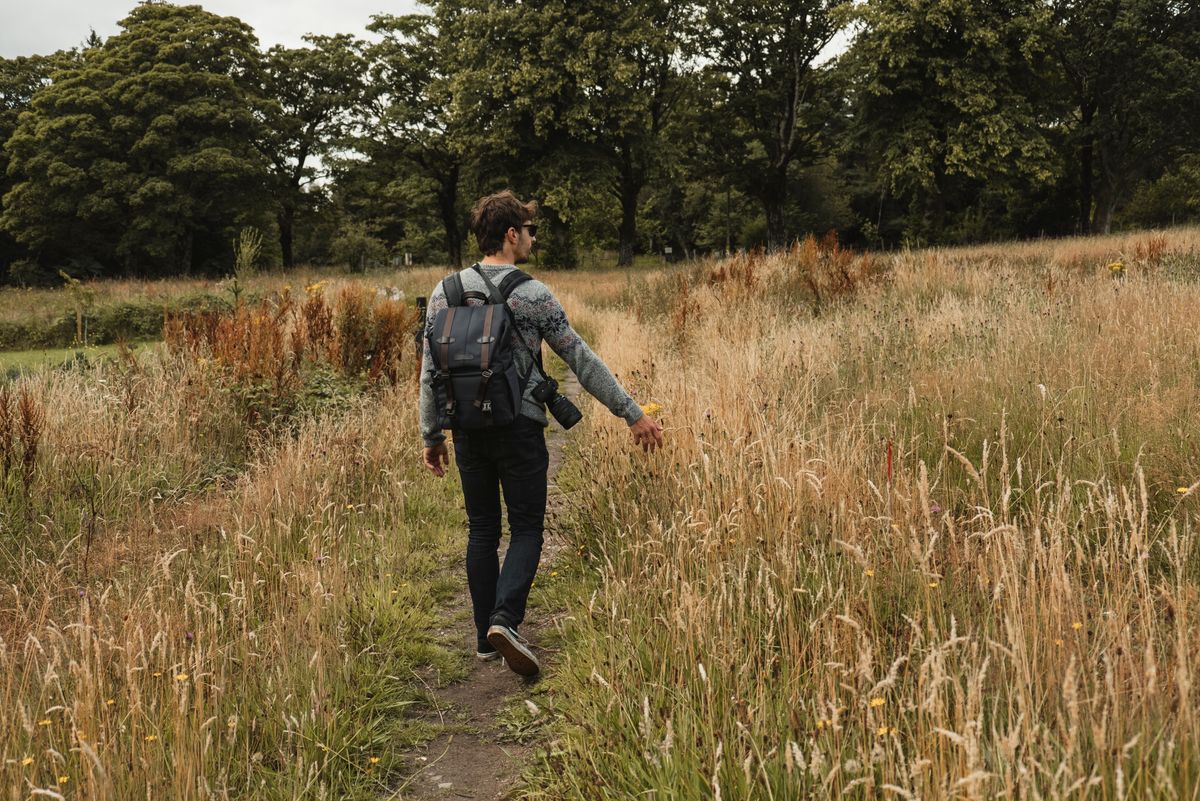
People are being urged to ‘watch for two key symptoms – and told to see a GP if they develop them. Public Health Scotland has issued a May alert and warned everyone to “be aware” when out walking.
Lime disease can be a debilitating infection that is best treated when found early. It is caused by being bitten by ticks which are found across the UK, in parts of Europe and North America. However, according to the NHS there are “a high number of ticks in the Scottish Highlands”.
In a post on X, formerly Twitter, Public Health Scotland says it is sharing “simple advice” on how to avoid Lyme disease as the risk is increased until the end of October. Sharing two signs to watch out for it said: “It’s #LymeDiseaseAwarenessMonth and we’re sharing simple advice on ticks, symptoms and what to do if bitten. If you spot a spreading rash or feel flu‑like, contact your GP.”
According to NHS Inform Lyme disease is a bacterial infection spread to humans by infected ticks. It is also known as Lyme borreliosis. It gives further details on its website saying: “Ticks are tiny spider-like creatures found in woodland and moorland areas, grassy places, parks and gardens. They feed on the blood of birds and mammals, including humans. Lyme disease is usually easier to treat the earlier it’s diagnosed.”
There are some common symptoms including a “bulls-eye” rash, however one in three people with the disease will not develop any rash. The rash:
- usually develops around 3 to 30 days after you have been bitten
- may look like a bull’s-eye on a dart board
- will be red
- may feel slightly raised at the edges
- may get bigger over several days or weeks
- is usually around 15 cm (6 inches) across, but it can be smaller or much larger
It adds: “Some people may develop several rashes in different parts of their body. Around 1 in 3 people with Lyme disease will not develop a rash.”
Some people can develop flu-like symptoms in the early stages of Lyme disease. This can include:
- tiredness (fatigue)
- muscle pain
- joint pain
- headaches
- a high temperature (fever)
- chills
- neck stiffness
It advises people to contact their GP if they have been bitten by a tick and develop a rash or flu like symptoms. You should tell your doctor you have been bitten.
NHS inform says treatment for suspected Lyme disease will usually be antibiotics. If the symptoms are severe this might need to be antibiotic injections.
It adds: “In some cases, symptoms can continue after antibiotic treatment has finished. This is called post-treatment Lyme disease syndrome. There’s currently no agreement on the best treatment for this because the underlying cause is not yet clear.
“Be wary of internet sites offering alternative diagnostic tests and treatments for Lyme disease. These may not be supported by scientific evidence.”
What causes Lyme disease
NHS inform explains: “Some animals can carry the bacteria that cause Lyme disease. If a tick bites the animal, it’ll become infected. The tick can then transfer the bacteria to a human by biting them.
“Ticks don’t jump or fly. They climb on to your clothes or skin if you brush against something they’re on. They then bite into the skin and start to feed on your blood.
“You’re more likely to become infected the longer the tick is attached to your skin. This means that removing them quickly is important. Ticks are very small and their bites are not painful, so you may not realise you have one attached to your skin.”
For further information visit here.
Disclaimer : This story is auto aggregated by a computer programme and has not been created or edited by DOWNTHENEWS. Publisher: www.dailyrecord.co.uk



