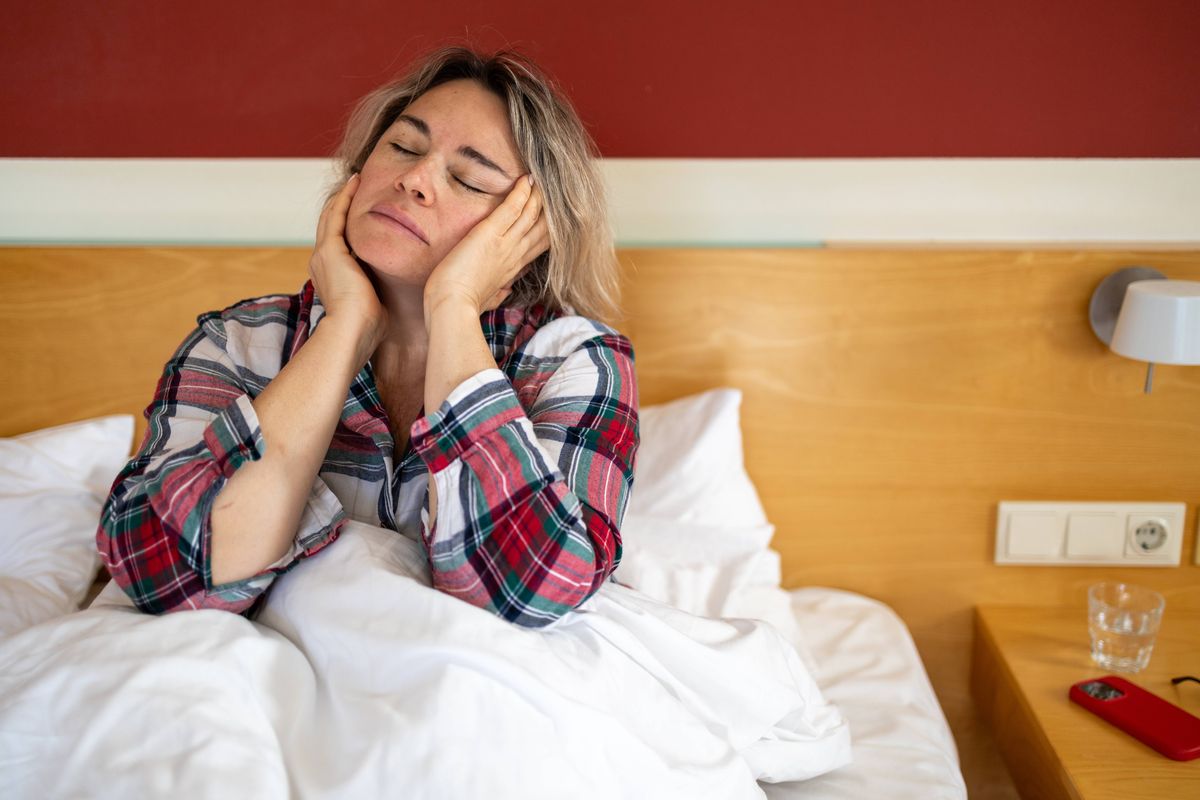
The NHS has guidance for those who find themselves repeatedly waking up at night, including a key ‘6-hour rule’ that may help tackle insomnia
The NHS has guidance for anyone who may find themselves repeatedly waking during the night. If people discover they’re waking from sleep time and again, or getting up early and being unable to drift back off, it might be a warning signal.
Should you lie awake during the night, or simply struggle to fall asleep on Wednesday, May 6 or any other evening, this could also be a red flag. And beyond leaving you exhausted and bad-tempered, it can lead to severe health complications – raising the likelihood of heart attack, stroke, type 2 diabetes and other ailments.
Insomnia is a common problem throughout the UK. NHS Inform suggests that approximately 1 in 3 individuals are impacted by the condition. It’s particularly common among older people and can bring serious health ramifications.
According to Harvard Medical School, inadequate sleep can have “profound consequences for our long-term health” – and those having difficulties tonight or any night ought to follow the straightforward steps outlined below that might assist – including an NHS ‘6-hour’ guideline. Researchers from the medical school caution that individuals who regularly fail to achieve sufficient sleep are at greater risk of developing chronic conditions.
Their Division of Sleep Medicine states: “What many people do not realize is that a lack of sleep-especially on a regular basis-is associated with long-term health consequences, including chronic medical conditions like diabetes, high blood pressure, and heart disease, and that these conditions may lead to a shortened life expectancy.”
The NHS has compiled advice for people who find it difficult to drop off and may experience a disturbed night with interrupted sleep. The NHS website provides a useful ‘6 hour’ guideline for anyone encountering this difficulty, reports the Mirror.
The site states: “Do not smoke or drink alcohol, tea or coffee at least 6 hours before going to bed.” However, there are numerous other measures they recommend individuals adopt to tackle poor sleep quality.
Indeed, the health service has compiled a series of recommendations and warnings for those who have trouble sleeping at night. Regarding what you ought to do, the NHS suggests you should only retire to bed when you feel tired.
It further recommends that you should rise and leave your bed at the same time each day. You should additionally unwind for at least 1 hour before bedtime – for instance, have a bath or read a book.
The NHS also suggests ensuring your bedroom remains dark and quiet. It proposes using curtains, blinds, an eye mask or ear plugs where necessary. Regular daytime exercise is also recommended. Additionally, ensure that your mattress, pillows and bedding are sufficiently comfortable.
What should I avoid if I’m struggling to sleep at night?
The NHS advises against napping throughout the day. Its website also warns: “Do not watch television or use devices, like smartphones, right before going to bed, because the blue light makes you more awake.”
Eating a large meal late in the evening should also be avoided, as should exercising within at least 4 hours of bedtime.
The NHS further states that you should not lie in after a poor night’s sleep – sticking to your usual sleep schedule instead. It also highlights that people should not get behind the wheel when feeling drowsy.
How can you tell if you have insomnia?
The NHS states that you have insomnia if you regularly:
- find it hard to go to sleep
- wake up early and cannot go back to sleep
- wake up several times during the night
- find it hard to nap during the day even though you’re tired
- feel tired and irritable during the day
- find it difficult to concentrate during the day because you’re tired
- still feel tired after waking up
- lie awake at night
Insomnia lasting less than 3 months is known as short-term insomnia, while anything continuing for 3 months or longer is classified as long-term insomnia. Sleep needs differ from person to person, with the NHS recommending that adults aim for between 7 to 9 hours each night.
The most commonly reported causes of insomnia include stress, anxiety or depression; noise, an uncomfortable bed, or a room that’s too hot or cold; illegal drugs such as cocaine or ecstasy; jet lag, alcohol, caffeine or nicotine; and shift work. Insomnia can also lead to obesity. Harvard Medical School states: “Several studies have linked insufficient sleep and weight gain.
“For example, studies have shown that people who habitually sleep less than six hours per night are much more likely to have a higher than average body mass index (BMI) and that people who sleep eight hours have the lowest BMI.” The Cleveland Clinic reports it can additionally result in high blood pressure, depression, anxiety, obstructive sleep apnoea and conditions involving psychosis.
Can I cure my insomnia?
The Cleveland Clinic explains that the main treatment approaches for insomnia include:
- Cognitive behavioural therapy (CBT)
- Medications (sleeping pills)
It notes: “In general, your healthcare provider is the best person to tell you about your options and what they recommend. They can also explain possible side effects of medications.”
The Sleep Foundation also notes: “Treatment for insomnia depends on how long a person has been experiencing sleep issues and any specific factors that are contributing to their sleep loss. If insomnia is associated with another condition, such as sleep apnea or depression, treatment of the other condition often improves sleep.
“It is important to get help with insomnia sooner than later. For people with short-term insomnia, care may be focused on discussing practices to support sleep hygiene. Temporary use of a prescription sleep aid may be an option if the insomnia is causing high levels of concern or distress. People with insomnia may also benefit from cognitive behavioral therapy for insomnia (CBT-I).
“A few treatment approaches are available for people with insomnia that persists for weeks or months.”
Disclaimer : This story is auto aggregated by a computer programme and has not been created or edited by DOWNTHENEWS. Publisher: www.dailyrecord.co.uk