In Hyderabad’s luxury neighbourhoods, some of the city’s biggest designer boutiques often appear very quiet. Stores spread across prime locations in Jubilee Hills and Banjara Hills see far fewer walk-ins than nearby cafés, restaurants, or mainstream fashion outlets.
But in luxury retail, silence does not always signal failure. Unlike conventional retail, luxury fashion does not depend entirely on crowds or rapid turnover. A single couture order, bridal consultation, or loyal repeat client can generate the kind of revenue mass-market stores make through dozens of daily transactions.
The economics of exclusivity
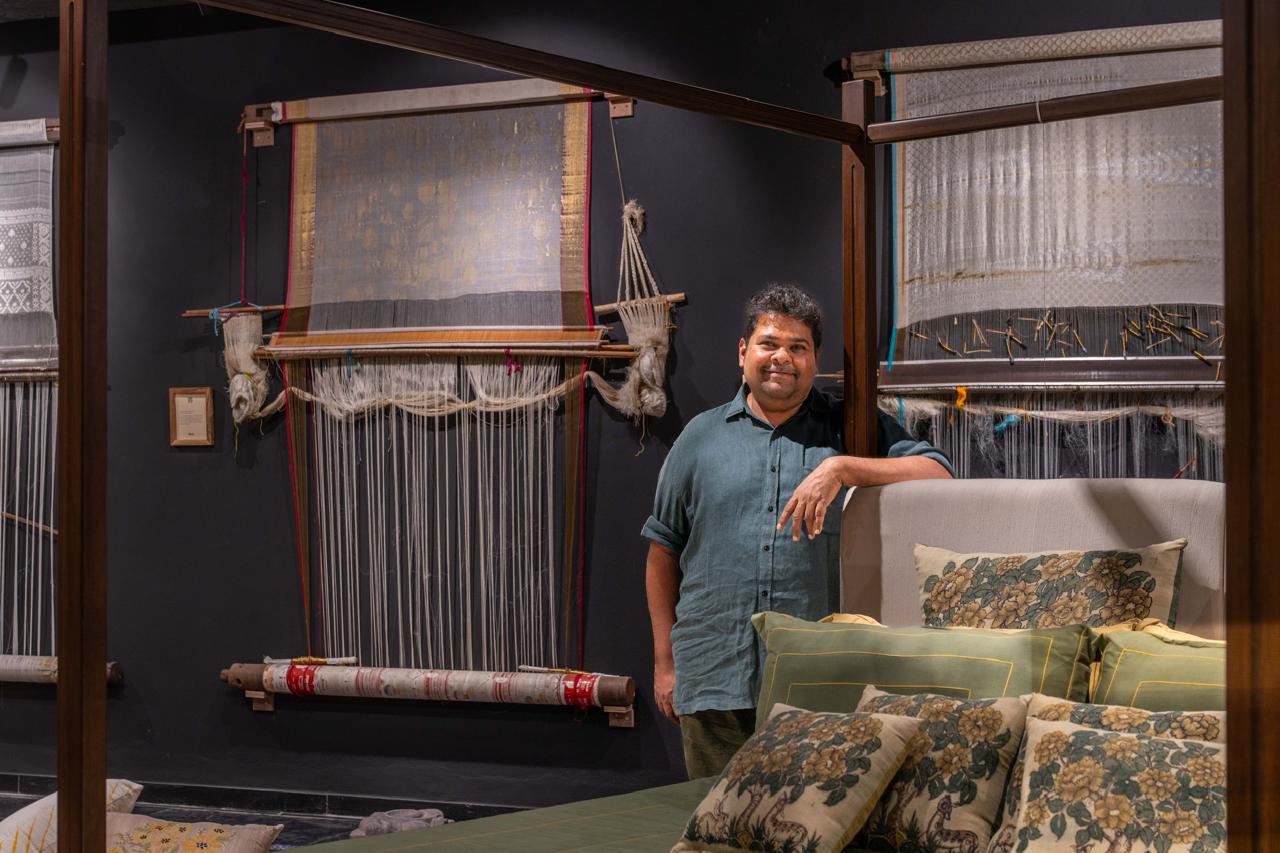
Fashion designer and textile revivalist Gaurang Shah says visible footfall has little to do with the actual strength of a luxury brand. “For me, only a small percentage of business comes through walk-ins,” he says. “The rest comes from long-standing patrons who understand and value the textile, the craftsmanship, and the philosophy behind the work.”
According to Shah, luxury clients rarely shop impulsively. Many prefer appointments, private previews, or direct interaction with designers before making a purchase. “Luxury retail is not dependent on volume footfall in the way conventional retail is,” he explains. “Clients often seek a quieter and more personal environment.”
Bhuvana Malineni, of Rajini sarees says footfall alone is no longer an accurate measure of success in premium retail. “In high-end fashion, footfall is often just a vanity metric,” she says. “The real value lies in who the client is, how strong the relationship is, and whether the brand can create a personalised experience.” According to her, affluent clients increasingly prioritise privacy, convenience, and one-on-one engagement over crowded shopping spaces.
However, industry insiders say the reality is more layered than the idea that “empty luxury stores are thriving.” Hyderabad’s rising commercial rents, changing shopping behaviour, and the shift toward digital commerce have made survival increasingly difficult for many boutiques. Several designer stores have downsized or quietly shut over the past few years.
The rise of WhatsApp and Insta luxury
Today, a significant portion of luxury commerce happens away from the boutique floor. Instagram previews, WhatsApp catalogues, video consultations, and private client groups have transformed how luxury fashion is bought and sold.
Fashion designer Shravan Kumar says digital platforms have fundamentally changed luxury retail behaviour. “Earlier, people explored collections through physical visits or magazines,” he says. “Today, Instagram and digital communication have become the first point of interaction.”
According to Shravan Kumar, many clients now shortlist collections, discuss customisation, and even finalise purchases digitally before visiting a boutique. “The physical visit has become more experience-driven and relationship-oriented,” he explains. “Clients today value privacy, personalised attention, and curated interaction.”
Why stores still matter
Despite the digital shift, many designers believe physical stores remain central to luxury fashion because couture still depends on touch, texture, and personal interaction. Shah, who maintains only a limited online retail presence, says handcrafted textiles cannot be fully experienced digitally. “The client must experience the weave, texture, and drape in person,” he says. “That connection cannot be fully recreated digitally.”
The result is a hybrid ecosystem where boutiques function less as high-footfall retail outlets and more as private experience spaces built around craftsmanship, relationships, and high-value transactions.
Disclaimer : This story is auto aggregated by a computer programme and has not been created or edited by DOWNTHENEWS. Publisher: deccanchronicle.com