NELLORE: Beyond its spiritual grandeur and endless stream of devotees, Tirumala is quietly emerging as one of the important green sanctuaries.
The Tirumala Tirupati Devasthanams has announced that the sacred Seshachalam hills now boast an impressive 89.40 per cent green cover, reflecting decades of sustained conservation efforts by the temple panel’s forest department.
Spread across 2,719 hectares in the ecologically rich Eastern Ghats, nearly 2,431 hectares under TTD limits are covered by lush forest vegetation, according to the latest ‘India state of forest report’.
TTD claims to be among the leading institutions for forest preservation and ecological management. Since 1980, the TTD’s Forest entity has been striving to protect the fragile ecosystem of the Seshachalam hills while balancing the spiritual needs of millions visiting the shrine.
From round-the-clock anti-poaching patrols to large-scale native species restoration, the department has transformed conservation into a mission.
In a major ecological shift, TTD has launched an ambitious programme to replace exotic Acacia plantations with native species such as Peepal, Banyan, Sandalwood, Red Sanders, Gooseberry, Jamun and Champak. The restoration drive is planned across 576 hectares, with work already completed in 22 hectares.
The forests are home to elephants, leopards, bears and several reptile species, prompting TTD to strengthen wildlife protection and conflict mitigation measures. During the harsh summer season, water-filled saucer pits are maintained deep inside forests to prevent wild animals from straying into human habitations in search of water.
Dedicated snake rescue teams also remain on alert near pilgrim queue complexes.
TTD officials said special fire lines spanning 26.5km are maintained every year to prevent forest fires, while flying squad teams patrol vulnerable areas round the clock to curb illegal felling and poaching.
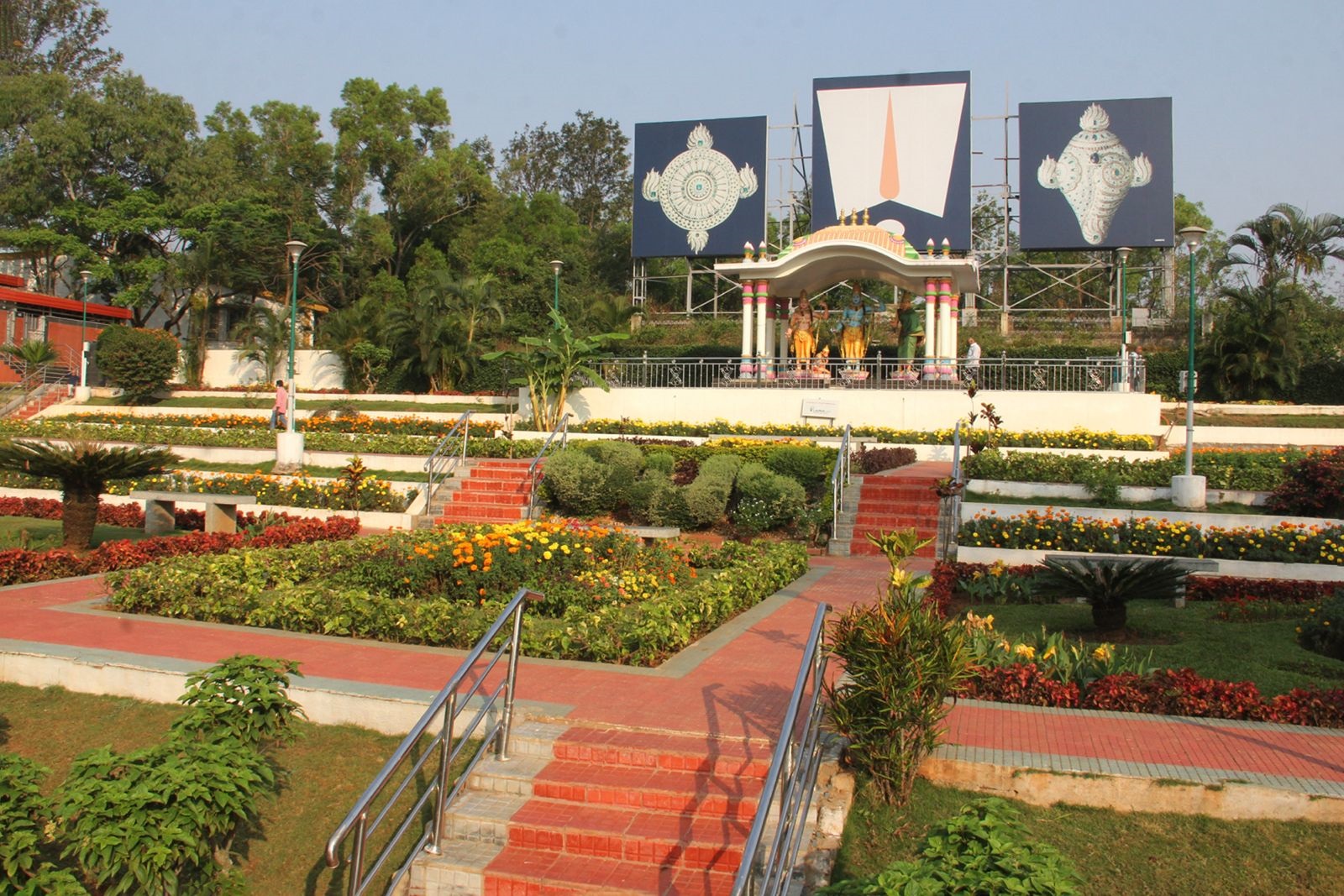
Apart from conservation, the department also plays a key role in maintaining Tirumala’s greenery, gardens and road dividers, besides supplying sandalwood, Darbha grass and other materials essential for temple rituals.
Officials say projects like Pavitra Vanam and Divya Oushadha Vanam, along with collaborations with the Wildlife Institute of India, are aimed at preserving the sacred hills as a thriving ecological heritage for future generations.
Disclaimer : This story is auto aggregated by a computer programme and has not been created or edited by DOWNTHENEWS. Publisher: deccanchronicle.com