
From salt pans to Arctic wilderness, here are 10 world-class, offbeat, off-the-grid destinations to escape the heaving crowds.
1. The extreme northwest: a great US option
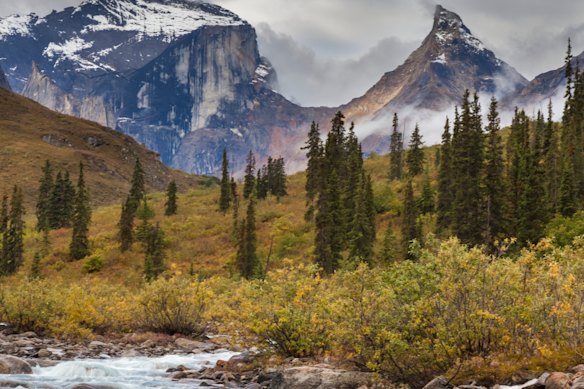
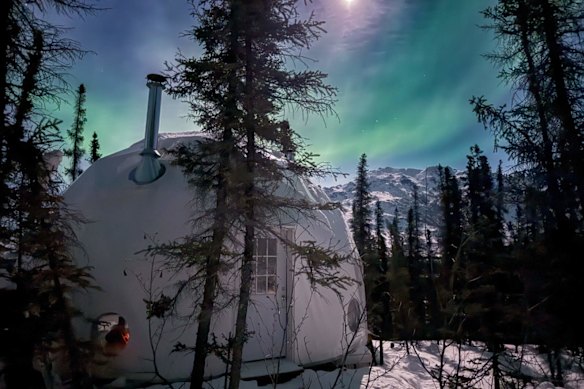
The remote national parks in Alaska remain firmly off the radar of virtually all tourists, with two of them – the Gates of the Arctic National Park & Preserve and Kobuk Valley National Park – receiving about 23,000 visitors a year combined. Compare that to the 4.8 million visitors a year to Yellowstone National Park. The catch is these parks are pretty darn hard to get to – and boast “extreme wilderness conditions” (read, virtually no infrastructure). Fabled properties such as Iniakuk Lake Wilderness Lodge, Arctic Hive, and Bettles Lodge on the Koyukuk River are good bases for further exploration of the Gates of the Arctic National Park, America’s northernmost park, located north of the Arctic Circle. Then again, the hotels aren’t easy to get to either. For example, to reach Iniakuk, you’ll need to take a one-hour flight from Fairbanks to Bettles, followed by a 20-minute floatplane charter. It will feel worth it when you’re hiking, fishing and canoeing under the midnight sun.
2. Discover where nomads collide
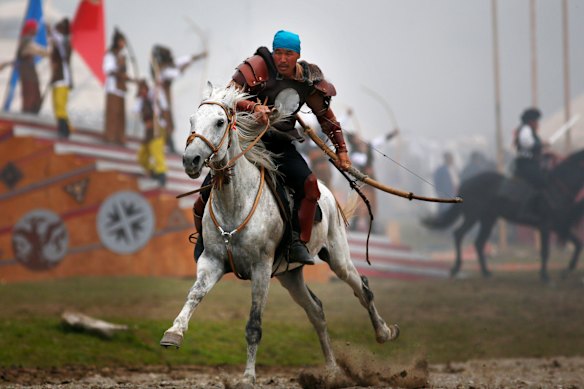
These days, it feels like any country that ends in “stan” is popular with intrepid travellers yearning for fresh frontiers. There’s perhaps no better time to get a feel for travel in a “stan” country than August 31-September 6 this year, when Kyrgyzstan hosts the sixth World Nomad Games. Istanbul is the key international hub for flights (of about five hours) into landlocked Kyrgyzstan. Located in Central Asia, the country is bordered by Kazakhstan, China, Tajikistan and Uzbekistan. The World Nomad Games will open in Kyrgyzstan’s capital of Bishkek; primary competitions and the closing ceremony will happen in the Issyk-Kul region. Competitions include horse-racing, wrestling, Kok-Boru (buzkashi or “dead goat polo”) and eagle-hunting. There are also plenty of other sports you’ve probably never heard of. Operators such as MIR Corporation, Kalpak Travel and YellowWood Adventures offer packaged tours to the games.
3. Choose a “low-traffic” European destination
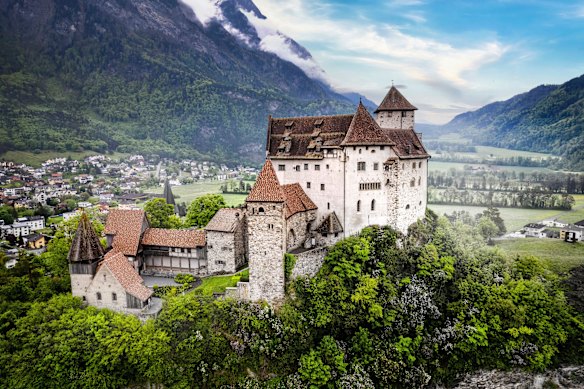
Want an alternative to some of the busier European summer destinations? Head for tiny Liechtenstein, which regularly records the lowest number of tourists found on the Continent. It might not be hugely popular, but this small, landlocked country tucked between Switzerland and Austria delivers a hefty dose of natural beauty, especially in its Alpine Rhine region, where the Rhine River flows along the western edge, forming a natural border with Switzerland. Start in the capital of Vaduz, resting easy that this is one country you can comfortably see in its entirety: a fairly comprehensive road trip takes less than two hours, given the country is 26 kilometres long. Other “low-traffic” destinations in Europe include Moldova, Latvia, North Macedonia and Albania.
4. Swoon over Botswana’s remote salt pans
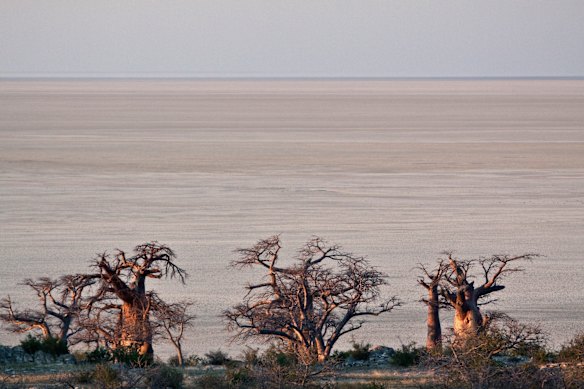
Ever since the first photographic safari camp in Botswana was set up in 1962 by Jack Bousfield on a private concession on the edge of the Makgadikgadi Salt Pans, those in the know have made the pilgrimage to this remote Kalahari semi-arid region. Especially after 1993, when his son Ralph zhuzhed up the tents, turning the site into fabled (and pricey) Jack’s Camp with Persian rugs, en suites and plunge pools. It’s a commitment to get here: take a flight to Maun International Airport, followed by a chartered light aircraft directly to lodge airstrips, or opt for a self-drive/road transfer. For a more wallet-friendly option, look at Camp Kalahari. Local operators like David Foot Safaris can supply horses and other key adventure items to explore various parts of gorgeous Botswana, including the Kalahari – and the Okavango Delta, further north. The Kalahari is well-discovered, but still far less populated than the northern wetlands of Botswana – respected as one of Africa’s safest countries.
5. New Zealand’s oft-forgotten third island
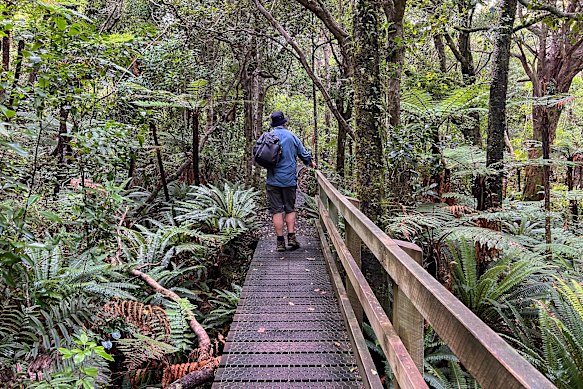
Stewart Island (Rakiura) is New Zealand’s third-largest island, located 30 kilometres south of the South Island across Foveaux Strait. Here, you’ll find fewer than 500 residents – and about 20,000 Stewart Island brown kiwis (tokoeka). More than three-quarters of the island comprises Rakiura National Park, best described as a jungle-dense Jurassic Park experience (no dinosaur sightings yet). Most of the 30,000-odd visitors go in summer, between December–February; shoulder seasons are far less busy and still good weather-wise. Just book in advance for overnight: this is a one-town island and so small is Oban, it doesn’t even have traffic lights. The South Sea Hotel is the place to stay (or at least hang out), but there are other accommodation options – and plenty of camping. Leave time for a trip to the Rakiura Distilling Company, billed as NZ’s southernmost distillery.
6. The world’s highest volcano
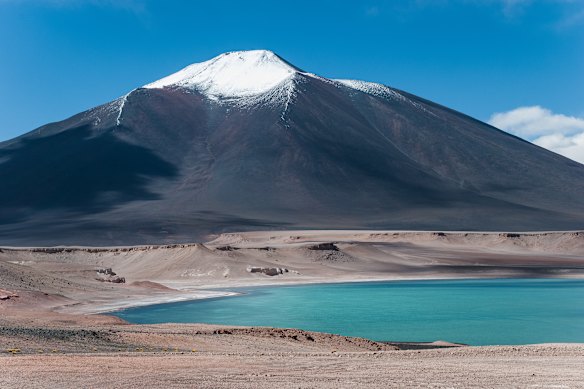
Chile, the world’s longest country at 4300 kilometres north to south, welcomed more than 6 million tourists last year – the highest figure since 6.4 million in 2017. More travellers are falling for Chile’s diverse natural beauty, led by showstoppers like the granite needles of Torres del Paine in the Patagonia region, and Nahuelbuta National Park, also in the country’s south. Up north, you’ll hit crowds around San Pedro de Atacama, a handy town for exploring the Atacama Desert. But a generally less busy part of the Atacama region is Ojos del Salado, the world’s highest volcano. Take a plane or bus from Santiago to Copiapó, where you’ll need to hire a guide for Ojos del Salado: the ascent requires local knowledge. Or just enjoy the surroundings, soaking up the high-altitude Chilean Altiplano.
7. Avoid the crowds at this Bora Bora alternative
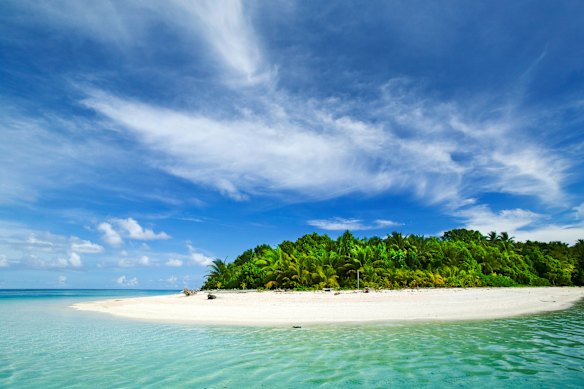
Tuvalu has the distinction of being among the world’s smallest and least-visited countries. It welcomes about 3700 travellers a year, along with other Pacific nations like Kiribati and the Marshall Islands. The population is just 10,643 residents (according to the 2022 census), of which more than half live on the capital atoll, Funafuti. Australians can reach Funafuti International Airport in about 20 hours – usually via Fiji, a 2.5- to 3-hour flight away. With minimal infrastructure, no tourism promotion budget and rising sea levels, Tuvalu flies well under the radar of even the most humble travel hot lists. But you will find the dreamy Funafuti Marine Conservation Area and a handful of hotels on the atoll – Esfam, Filamona and Vaiaku Lagi Hotel get the most buzz. With its perfect white-sand beaches, Tuvalu is often referred to as a “poor man’s Bora Bora”. Dry season (May to October) is the best time to visit.
8. Time for Timor-Leste
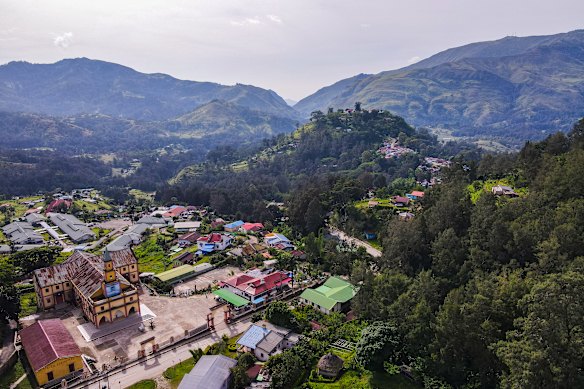
Since it formally gained independence from Indonesia in 2002, Timor-Leste (East Timor) has slowly attracted more tourists, but still has a way to go, with about 38,000 travellers a year. In October 2025, this tiny country of barely 1.5 million was accepted as the 11th member state of ASEAN, the Association of Southeast Asian Nations, and it will chair ASEAN in 2029. Upgrades to Dili airport and a new-build 500-room luxury hotel and convention centre are part of the preparations. In the meantime, if you want a slice of history in Dili, head to the Hotel Timor (formerly historic Hotel Mahkota), or the more modern Palm Springs Hotel for a five-star stay (give or take half a star). About 30 kilometres north of Dili you’ll find Atauro Island, with world-renowned snorkelling and diving. To the south, the pretty highland town of Maubisse is worth a trip, as are the volcanic black-sand beaches of Liquiçá to the west – where the 17th-century Portuguese fort, Maubara, is a standout attraction.
9. Walk Asia’s less-trodden guided paths
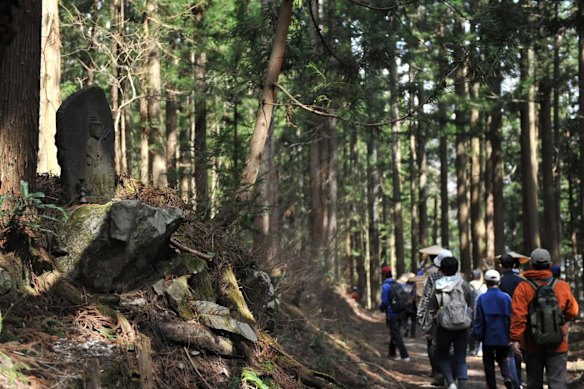
Japan might be enjoying an ongoing tourism boom – particularly with the strength of the Australian dollar against the Japanese yen, but its 120-kilometre Salt Road (Shionomichi) trek is no teeming-with-tourists hot spot. Yet. Walkers travelling to Japan are far more likely to flock to the more famous trails like the Kumano Kodo or Nakasendo than the Salt Road, which connects the coastal city of Itoigawa (Sea of Japan) to the inland city of Matsumoto. Anticipate forests, rice fields and an overload of cute villages. Excellent guided-walk operators on the route include Walk Japan and Guided by Nature. For similarly remote and uncluttered walking experiences in India (delivered with a high dose of luxury), try Shakti Himalaya’s suite of walks in Kumaon, Ladakh and Sikkim. Each night, walkers stay in converted family-owned village houses offering plenty of hard-to-beat local charm.
10. When second-best is a real winner
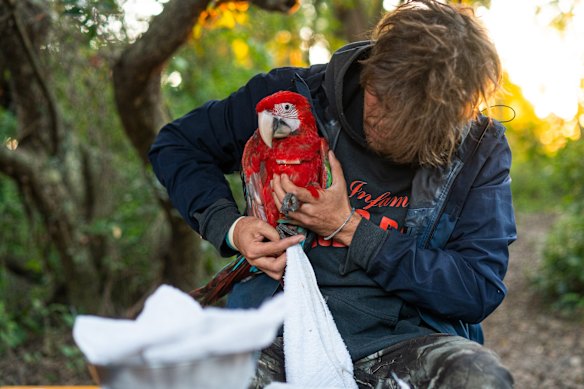
When it comes to the “wow” factor in the second-largest country in South America (behind Brazil), Argentina’s usual-suspect top hits are Iguazú Falls and the glacier landscapes of El Calafate in Patagonia. If you want to walk on an even wilder side, try a volunteer program with not-for-profit Rewilding Argentina at one of its many remote locations – such as the vast Gran Parque Iberá, in the Iberá Wetlands of the country’s north-eastern province of Corrientes. Gran Parque Iberá is located about 185 kilometres from the region’s capital, Corrientes, 900 kilometres north of Buenos Aires. It’s Latin America’s second-largest wetland, and volunteers assist in projects involving species reintroduction, monitoring camera traps and maintaining eco-trails.
Get the best of Good Weekend delivered to your inbox every Saturday morning. Sign up for our newsletter.
Read more from Good Weekend:
Disclaimer : This story is auto aggregated by a computer programme and has not been created or edited by DOWNTHENEWS. Publisher: www.smh.com.au


