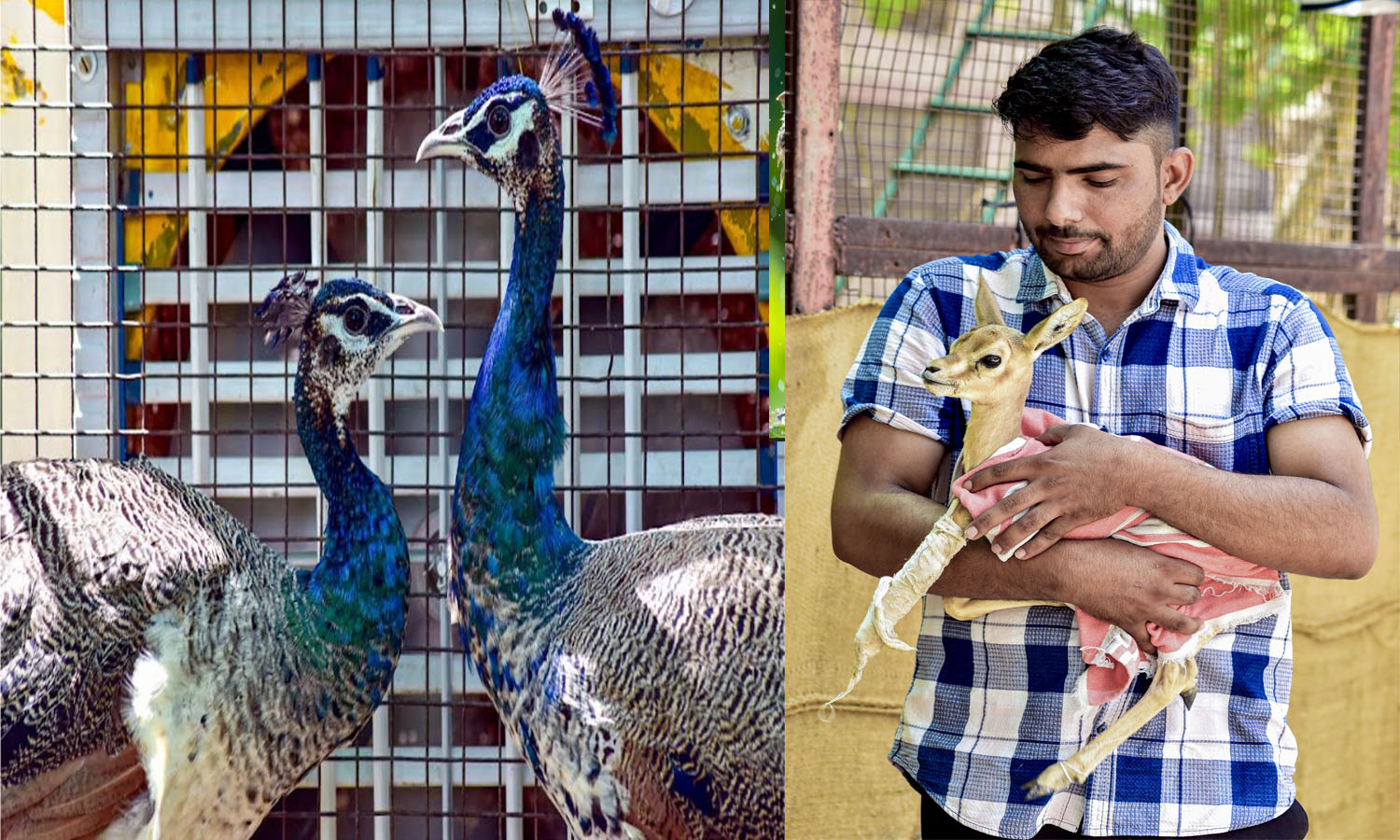
As the temperature rises above 40 degrees Celsius in India, the zoo authorities, the forest department, animal shelters and activists are implementing active strategic measures to protect both domestic and wild animals from this scorching heat. The protective measures range from AC cooling systems to specialised dietary plans and habitat modifications.
Regional initiatives and solutions
At Chhatbir Zoo, Punjab, the desert cools, and air circulation fans have been arranged for carnivorous animals like tigers, lions, and bears in their night shelter. To combat the heat for birds, aviaries are covered with 75 percent density agro-nets and secured jute mats to block hot waves, while providing continuous sprinkler showers for extra relief. Temporary shelters made out of Kanna (Saccharum Munja), Wooden logs, and bamboo are made to protect from harsh sunlight.
In Gujarat, the Jungle Safari near the Statue of Unity, several air conditioners, air coolers, and fans have been deployed and tailored to meet the specific needs of nearly 1500 animals. Similar cooling arrangements, including the use of water hoses, have been observed at Sayaji Baug Zoo in Vadodara to provide relief to the animals.
The Jungle Safari also introduced a special summer diet plan, including fruit juice and frozen popsicles for exotic species, ice cubes and frozen fruits to help regulate body temperature, and water-rich fruits are specifically included in the diet of various bird species.
Rajasthan addressed measures for both domestic livestock and wildlife, involving the installation of water sprinkler systems within cow shelters to provide continuous cooling at Durgapura Gaushala, Jaipur, and coolers and sprinklers for large birds such as peacocks and cranes by the Forest Department in Bikaner. Management provides wet mud areas that allow turtles to rest flat, facilitating more efficient thermal exchange.
In Bhubaneswar, Odisha, the Bhubaneswar Municipal Corporation (BMC) has installed nests for birds from coconut waste, alongside placing earthen pots to protect the birds from the heat in the urban landscape. These nests provide a cool, insulated environment for the birds to rest and hide from the concrete-trap heat of the city.
Constant Veterinary monitoring
Across these regions, veterinary doctors and zoologists are monitoring animal health around the clock and taking measures to prevent heat strokes. Management cells stay alert to ensure shelters are cool and comfortable, and backup systems like tankers and tractors are on standby to guarantee an uninterrupted water supply.
Authorities are committed to animal welfare during extreme weather conditions.
This article is written by Archana Prasad, a student at EFLU, interning at Deccan Chronicle
Disclaimer : This story is auto aggregated by a computer programme and has not been created or edited by DOWNTHENEWS. Publisher: deccanchronicle.com