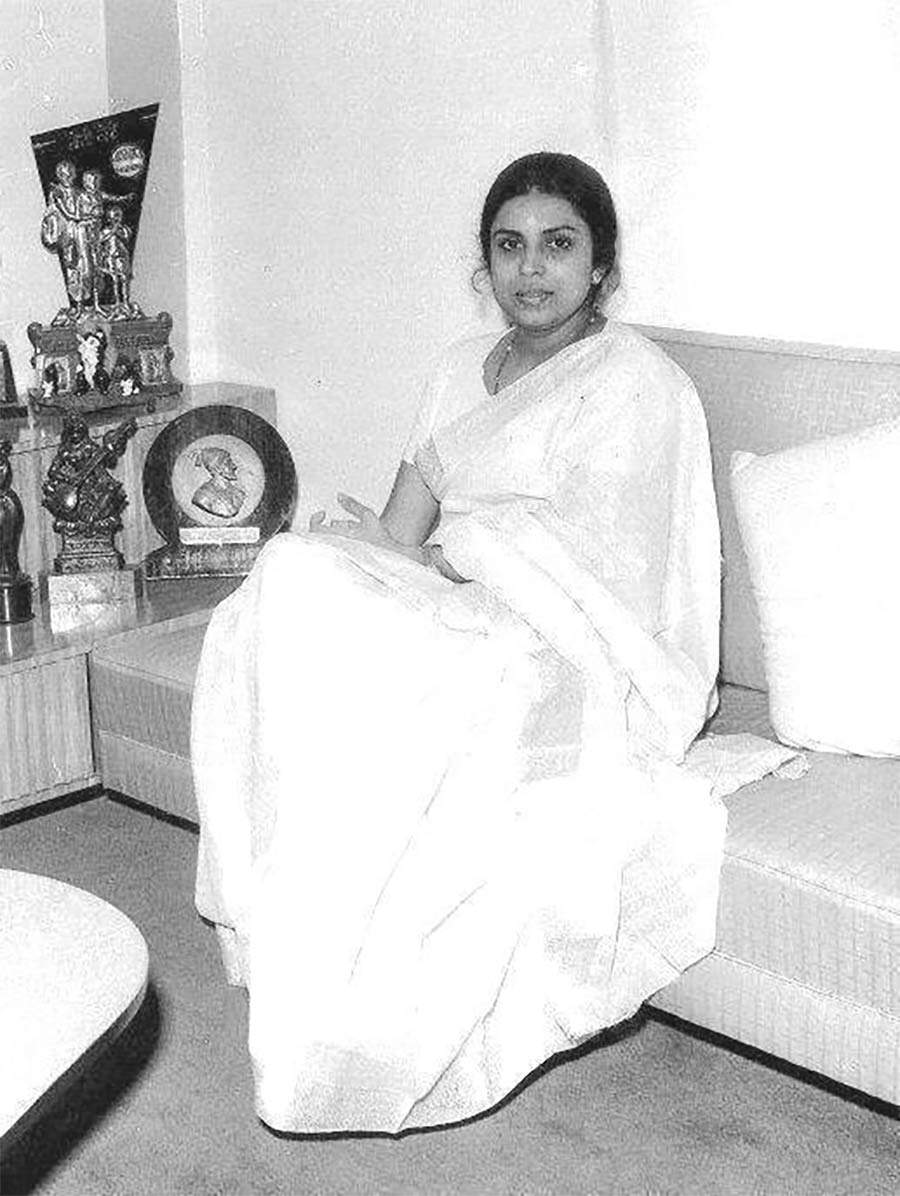
Veteran playback singer Suman Kalyanpur passed away on May 31, 2026 in Mumbai at the age of 89. She died due to age-related health complications at her residence. Born Suman Hemmady in Dhaka on January 28, 1937, she was the daughter of Shankar Rao Hemmady, a high-ranking banker. Perhaps her exposure to the Bengali language during her early years explains her command over Bengali songs. The family moved to Mumbai in 1943. She never intended to become a singer and was more interested in painting. After completing her schooling at Mumbai’s prestigious St Columba High School, she enrolled at the JJ School of Arts in 1954.
Blessed with a naturally sweet voice, she often sang her favourite Noor Jehan songs for guests during family gatherings. It was at one such gathering that someone suggested she should learn music. She subsequently began training under Pandit Keshav Rao Bhole, a music director associated with Prabhat Films. She is also said to have learnt from Sudhir Phadke, Yeshwant Deo, Ustad Khan Abdul Rehman Khan and Master Navrang at various stages, though never for extended periods. Despite not being deeply versed in classical taalim, she could effortlessly pick up intricate harkats associated with a raga. In one of her interviews, she mentioned being influenced by R.C. Boral, K.C. Dey, K.L. Saigal and Kanan Devi.
She reportedly sang regularly during cultural programmes organised by her college and it is said that Talat Mahmood heard her at one such event and encouraged her to pursue singing professionally. Another account states that music director Mohammed Shafi was also present and offered her three songs in the forthcoming film Mangu (1954). Yet another version suggests that it was Lata Mangeshkar who recommended Suman’s name to Shafi. Whatever the truth may be, Shafi was replaced by O.P. Nayyar and her songs were dropped. Only one song, Koi pukaare dheere se tujhe, survived in the film and was used repeatedly because it was crucial to the narrative.
Incidentally, she reportedly worked with almost every major music director of the era except O.P. Nayyar. She was part of the chorus in Shikayat kar lo ji bhar lo from Aar Paar (1954), whose principal singers were Mohammed Rafi and Geeta Dutt. Her first song was a duet, Ek dil, do hain talabgaar, with Talat Mahmood in Darwaza (1954), where she proved more than a match for Talat’s dulcet tones. She also began receiving offers for private recordings. Her first such recording for HMV is said to have been released in 1955 and consisted of two Marathi bhajans, Savalya vithala tuzya dari aale and Nanda ghari nandanvan phulale, composed by Dashrath Pujari.
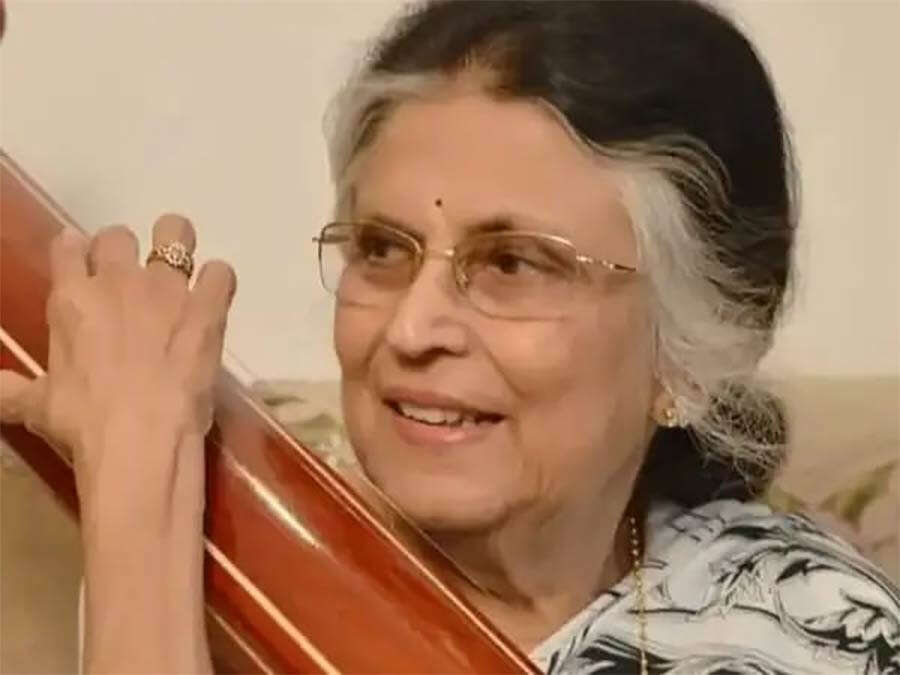
She longed to sing for S.D. Burman and eventually got her wish when he selected her for the solo Chhodo chhodo mori baiyyan from Miya Bibi Razi (1960). Stardom arrived with another S.D. Burman composition. The film was the Dev Anand-Waheeda Rehman starrer Baat Ek Raat Ki (1962), and the song, Na tum hamein jano, a duet with Hemant Kumar, became an instant hit. The song was central to the film’s narrative and remains beloved even today. Sadly, many listeners continue to assume it was sung by Lata Mangeshkar.
The song also led to increased opportunities in Bengali cinema. Music directors such as Nachiketa Ghosh and Sudhin Dasgupta, among the leading Bengali composers of the time, utilised her velvet voice to the fullest. Her hits from that period include Mone koro, Dure theko na and Amar sapno dekhar duti nayan, the last said to have been a personal favourite.
She married Ramanand Kalyanpur in 1957. A businessman by profession, he took charge of managing her career, accompanied her to recordings and became a pillar of strength throughout her life. The couple later welcomed a daughter, Charul, completing their family.
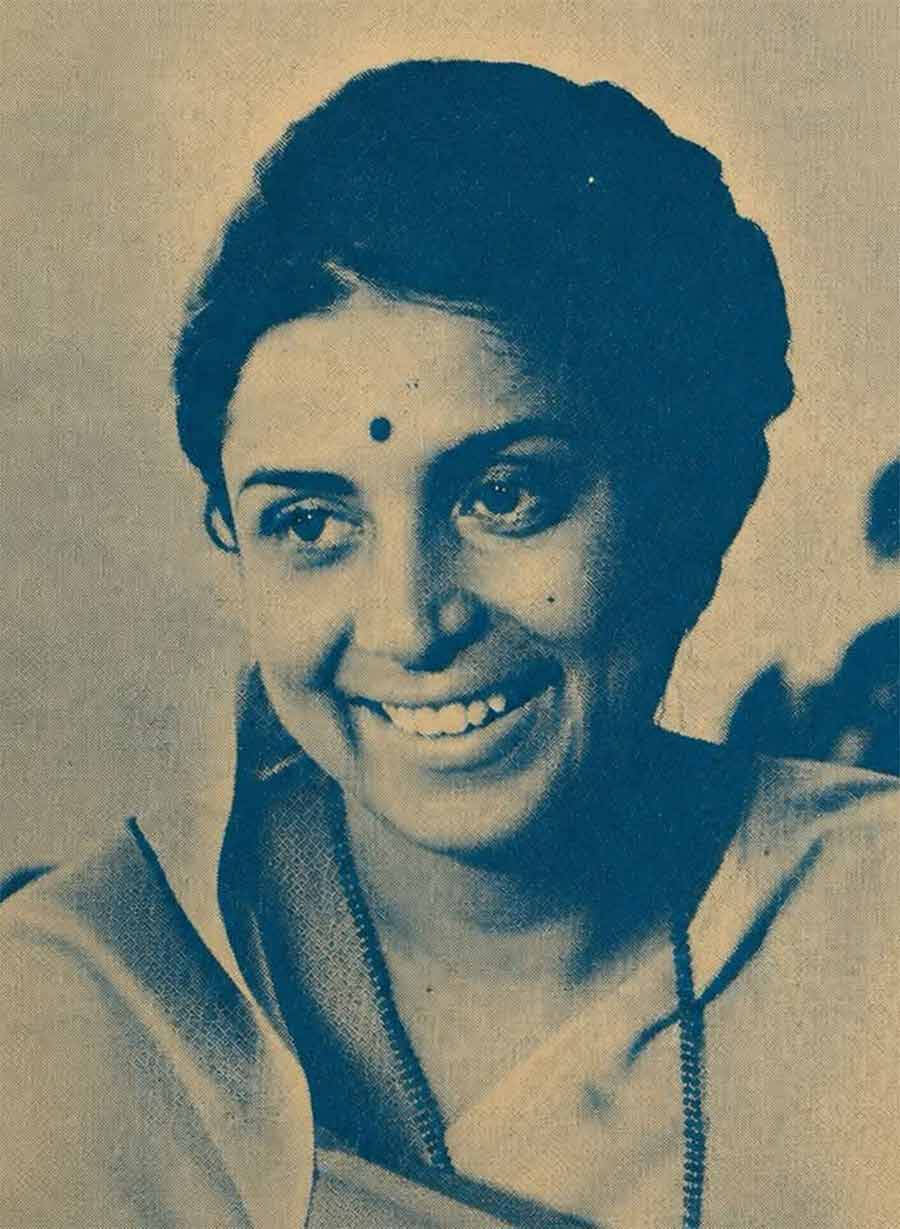
Suman has often been described as a singer who excelled in duets. She sang most frequently with Mohammed Rafi. It is often claimed that she benefited from the royalty dispute between Rafi and Lata Mangeshkar, but the facts suggest otherwise. One of her popular duets with Rafi, Din ho ya raat hum rahen tere saath yeh hamari marzi, composed by Hansraj Behl for Miss Bombay (1957), predates the famous disagreement between Rafi and Lata. The two sang together regularly thereafter, even after Rafi and Lata reconciled.
She remained a favourite of composers who operated slightly outside the mainstream, such as Khayyam and Roshan. Yet it was not as though mainstream composers shunned her. Madan Mohan, who shared a close bond with Lata and gave her some of the finest songs of her career, was instrumental in giving Suman one of the finest ghazals of her own career, Baad muddat ke yeh ghadi aayi, a duet with Rafi from Jahan Ara (1964). Similarly, Shankar-Jaikishan, lifelong admirers of Lata, entrusted Suman with one of Hindi cinema’s finest lullabies, Juhi ki kali meri laadli from Dil Ek Mandir (1963), and the evergreen Raksha Bandhan song Behna ne bhai ki kalayee pe from Resham Ki Dori (1974).
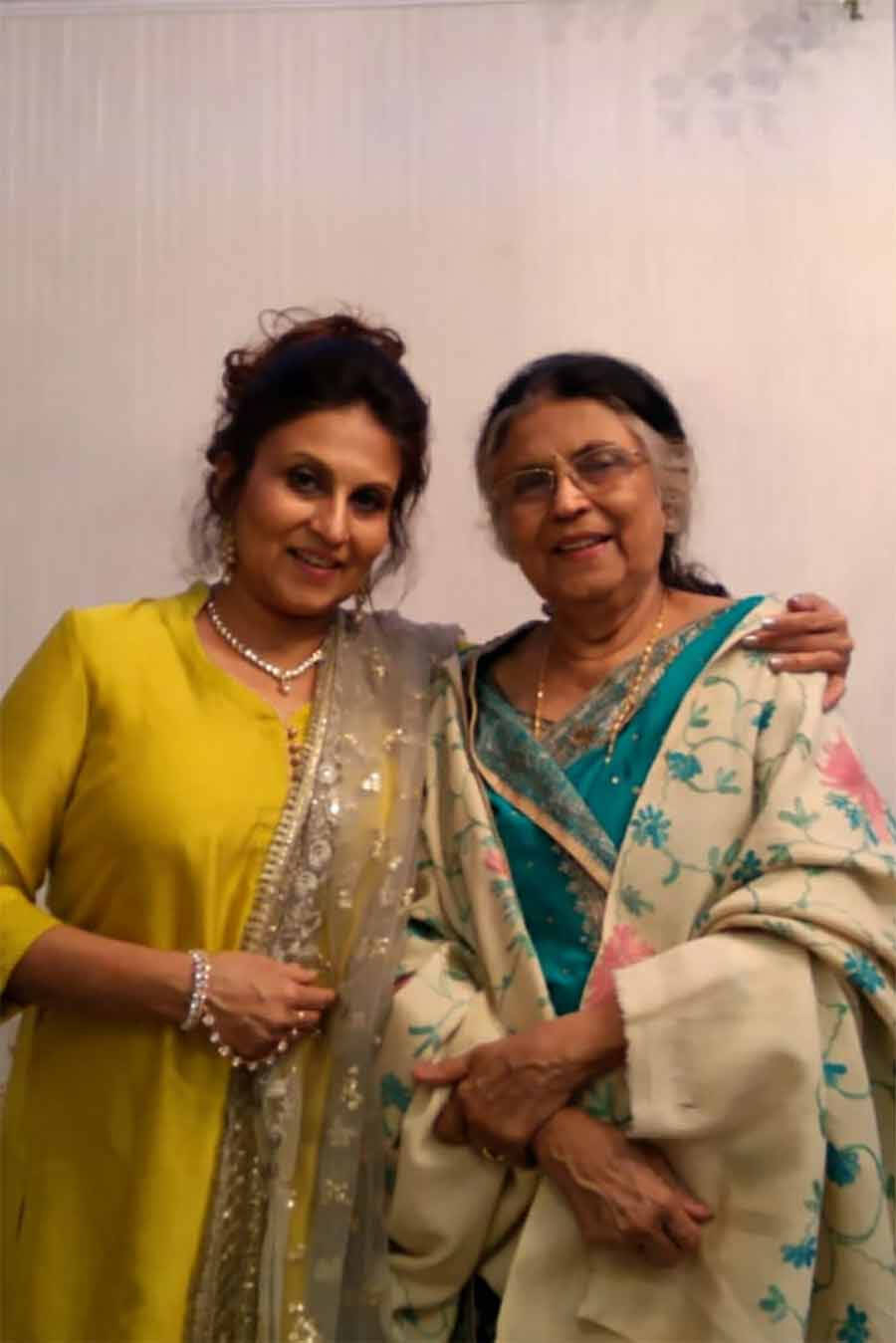
Suman Kalyanpur has often been called the poor man’s Lata, but calling her that does grave injustice to her talent. The singer was unfortunately born with a voice that matched Lata’s so closely that it was often difficult to distinguish between the two. The similarity did not end there. Like Lata, she possessed the intrinsic ability to grasp the underlying emotion, the bhaav of a song, and project it through her voice. And, like Lata, she was successful not only in Hindi but was equally proficient in Bengali, Oriya, Bhojpuri, Punjabi, Gujarati, Marathi and her native Kannada. She excelled not only in film songs but also in devotional music, ghazals and thumris. In fact, purists swear by her masterful renderings of Marathi bhavgeet as well as Bengali songs. Much has been written about her rivalry with Lata and about how she could not overcome the monopoly of the Mangeshkar sisters. But the evidence suggests otherwise. She may have sung fewer songs than Asha Bhosle and Lata Mangeshkar, but the popularity of Suman’s songs cannot be denied. Her hit ratio was tremendous; some even estimate it at seventy per cent. And as any cricket enthusiast will tell you, a batting average of 70 is right off the charts.
Lata shot to fame with Aayega aanewale from Mahal (1949), while Suman’s career began around 1953-54. So there was not much gap between the two. They even sang a duet, Kabhi aaj kabhi kal kabhi parso, from the forgotten film Chaand (1959). The composer was Hemant Kumar. Listening to the song, it is hard to differentiate between the two voices. They are said to have sung another song together, Unse nazrein mili to hizaab aa gaya, from the film Ghazal (1964), starring Meena Kumari and Sunil Dutt. It was composed by Madan Mohan. Though the song is listed as being sung by Minu Purushottam in some places, the story goes that it was re-recorded in her voice for the film version. The 78 rpm record of the film’s soundtrack, however, carries the names of Lata and Suman. It remains one of those mysteries that may never be conclusively solved.
Her assignments began to dwindle after the 1970s as Hindi film music underwent a major transformation and became increasingly westernised. Her husband’s ill health also contributed to her reducing professional commitments, though she continued singing actively until the late 1980s. Her final film song appeared in the horror film Veerana (1988). After gradually stepping away from mainstream playback singing, Suman Kalyanpur led a largely private life in Mumbai. Unlike many of her contemporaries, she stayed away from the spotlight and rarely gave interviews. Her public appearances became infrequent, though music lovers continued to celebrate her work through radio programmes, retrospectives and tribute concerts. Mass adulation may never have come her way, but in the minds of music connoisseurs she remains a star shining brightly among the pantheon of greats.
Suman is survived by her daughter, Charul Agny, who is settled in the United States, and her granddaughter, Aaishanni Agny. With her passing, Indian music loses one of its most refined and underappreciated voices. While comparisons with others may continue, Suman Kalyanpur’s legacy ultimately stands on its own merit, a body of work distinguished by grace, emotional depth and an enduring musicality that continues to resonate across generations.
Also Read: Veteran Singer Suman Kalyanpur Passes Away at 89
Disclaimer : This story is auto aggregated by a computer programme and has not been created or edited by DOWNTHENEWS. Publisher: filmfare.com