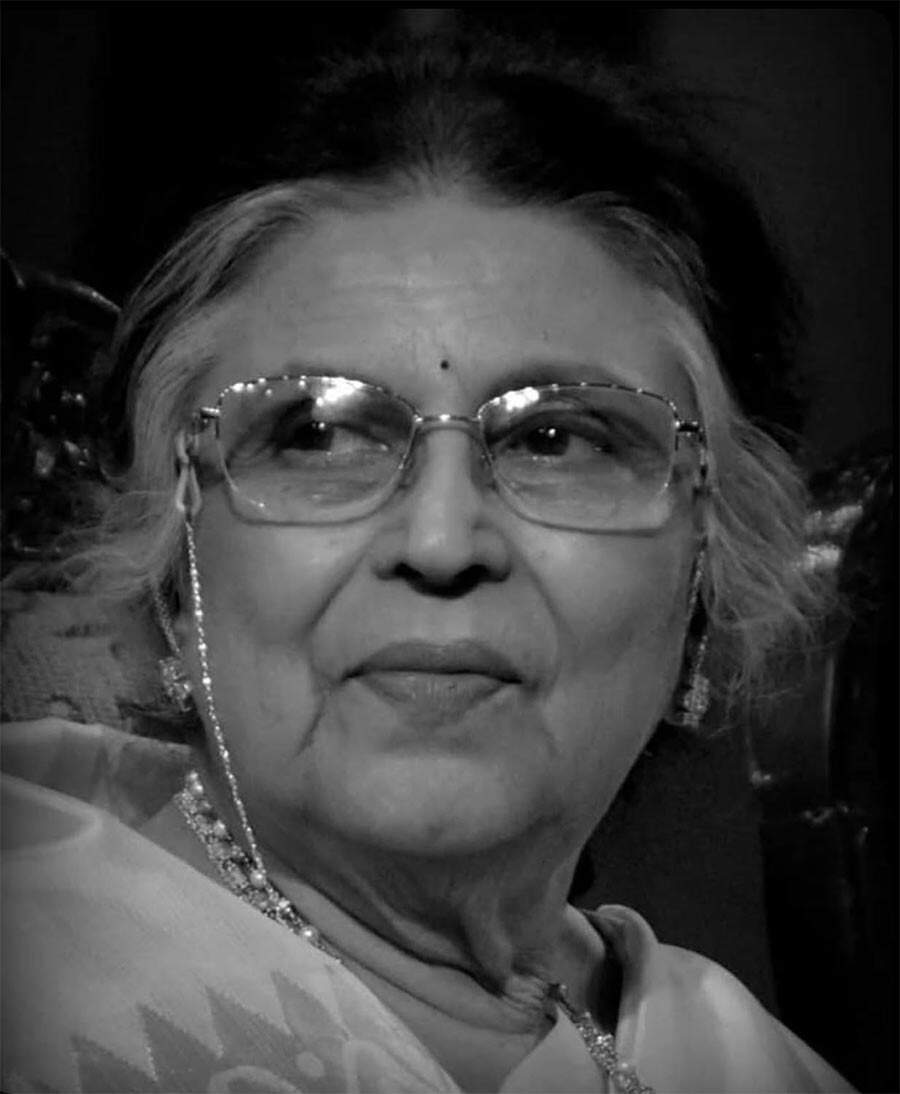
The death of Suman Kalyanpur has prompted a flood of tributes across the country. Politicians have spoken of her contribution to Indian culture. Musicians have remembered her artistry. Listeners have returned to old recordings that once formed the soundtrack of their lives.
Yet when the conversation turns to Suman Kalyanpur, writer and cultural commentator Rhythm Wagholikar prefers not to begin with her achievements.
Instead, he begins with a song.
“Most people talk about singers,” he says thoughtfully. Adding, “I prefer talking about songs. Songs tell you far more about an artist than statistics ever can.”
And almost instinctively, he mentions Na Na Karte Pyar Tumhi Se Kar Baithe.
The song, he believes, reveals everything one needs to know about Suman Kalyanpur.
“Listen carefully,” he says. Adding, “The song is playful, romantic, youthful. But what fascinates me is how effortless it appears (it’s definitely not) but how much she achieves. She never pushes the emotion. She never overwhelms the melody. She trusts the song.”
That trust, according to Wagholikar, is becoming increasingly rare.
Modern music often rewards excess. Bigger performances. Bigger personalities. Bigger moments. Suman Kalyanpur belonged to a generation that believed in something different. The song came first. The singer came second.
Perhaps that is why her voice has survived so gracefully.
As the conversation progresses, another song surfaces.
Aaj Kal Tere Mere Pyar Ke Charche.
Even mentioning the title brings a smile.
For decades, the song has remained a fixture at weddings, celebrations and family gatherings. It has travelled like an heirloom from one generation to another. Yet Wagholikar believes many listeners miss the subtle brilliance hidden within its popularity.
“We often focus on how cheerful the song is,” he says. Adding, “But listen to the vocal performance. There is brightness without loudness. Joy without exaggeration. She probably explains that happiness in music doesn’t have to shout.”
It is an observation that seems to apply not only to the song but to the singer herself.
Throughout a career spanning several decades and multiple languages, Suman Kalyanpur rarely occupied the centre of public attention in the way some of her contemporaries did. Yet her songs found a way into people’s lives with remarkable consistency.
That quiet endurance is what impresses her audiences the most.
“The true test of a singer,” he reflects, “is not how famous they were in their own time. The true test is whether people still want to listen after fifty years.”
By that measure, Suman Kalyanpur remains timeless.
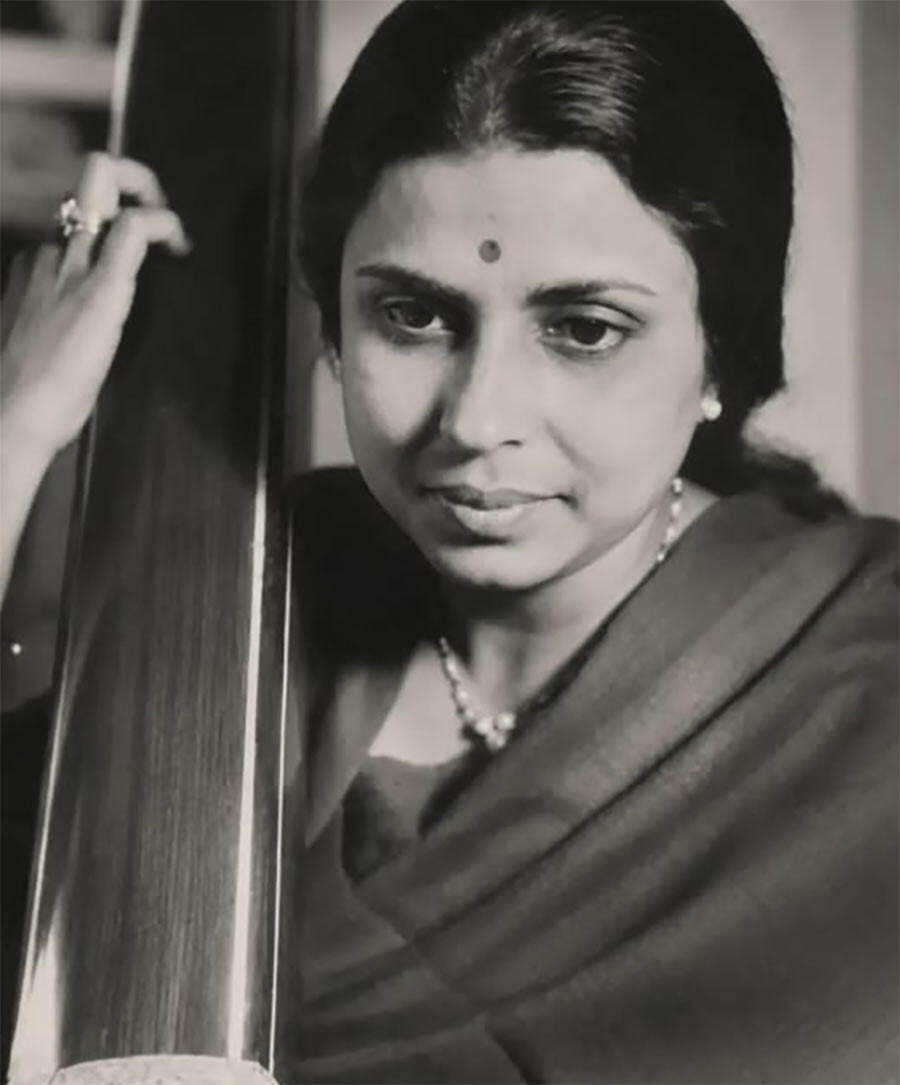
The discussion soon drifts towards another classic, Na Tum Humein Jaano. Here, Rhythm pauses longer than before.
“That song offers a glimpse into a style of playback singing that valued nuance over display.” he says.
What strikes him is not the composition’s beauty alone, but the restraint with which it is rendered.
He further stated, “There is an incredible confidence in simplicity. Every phrase feels measured. Every note feels considered. She allows silence to participate in the music. Very few singers understand that silence can be as expressive as sound.”
Listening to him speak, one begins to understand that his admiration for Suman Kalyanpur extends beyond nostalgia.
For him, music represents a larger artistic philosophy as he has interviewed various artists and musicians.
A belief that sincerity matters more than spectacle.
A belief that emotional truth outlasts technical display.
A belief that art does not need to announce its greatness.
That philosophy was equally evident in her Marathi repertoire, which occupies a cherished place in Maharashtra’s cultural memory. Mentioning songs such as Ketakichya Bani Titha Nachala Mor immediately changes the tone of the conversation.
“There is a different intimacy in her Marathi songs,” Wagholikar says. “Almost as if she is speaking directly to the listener. Not performing. Not presenting. Simply communicating.”
He argues that many discussions about Suman Kalyanpur focus too narrowly on Hindi cinema and fail to appreciate the breadth of her contribution.
Across Marathi, Hindi and several other Indian languages, she became one of the defining voices of post-Independence India. Her recordings crossed regional boundaries with remarkable ease, carrying melodies into homes that differed in language but shared the same emotional connection to music.
“That’s the beauty of Indian music,” he says. “A great voice eventually belongs to everyone.”
As the conversation draws to a close, the subject returns to where it began: memory.
News of a musician’s passing often triggers a familiar cycle of tributes. Social media fills with photographs. Television channels replay old recordings. Articles celebrate achievements and milestones.
As our conversation draws to a close, Wagholikar returns to the idea of memory.
For many of her fans, Suman Kalyanpur’s legacy cannot be measured merely through awards, milestones or the number of songs she recorded. It lives in something far more enduring: the quiet companionship her music has offered listeners for decades.
He beautifully says “Somewhere, a listener will revisit Na Na Karte Pyar Tumhi Se Kar Baithe and be transported to another time. Somewhere else, Na Tum Humein Jaano will play softly through an evening filled with nostalgia. At a family celebration, Aaj Kal Tere Mere Pyar Ke Charche will once again bring smiles to faces across generations.
That is the remarkable thing about music. Long after an era has passed, its melodies continue to find new listeners and new meanings.
Suman Kalyanpur’s voice has been a part of India’s musical journey for decades. It has accompanied moments of joy, reflection, romance and remembrance. While her passing marks the end of a remarkable life, her songs continue to carry the warmth, sincerity and grace that made her so beloved.
And perhaps that is how she will be remembered best: not only as a celebrated singer, but as a voice that became part of the soundtrack of countless lives.
And in the case of Suman Kalyanpur, those songs continue to carry the grace, warmth and sincerity of a voice that never needed to raise itself to be heard.”
Also Read: Rachana Shah And Rhythm Wagholikar Bring Out The Story Of Maay Bhavani.
Disclaimer : This story is auto aggregated by a computer programme and has not been created or edited by DOWNTHENEWS. Publisher: filmfare.com