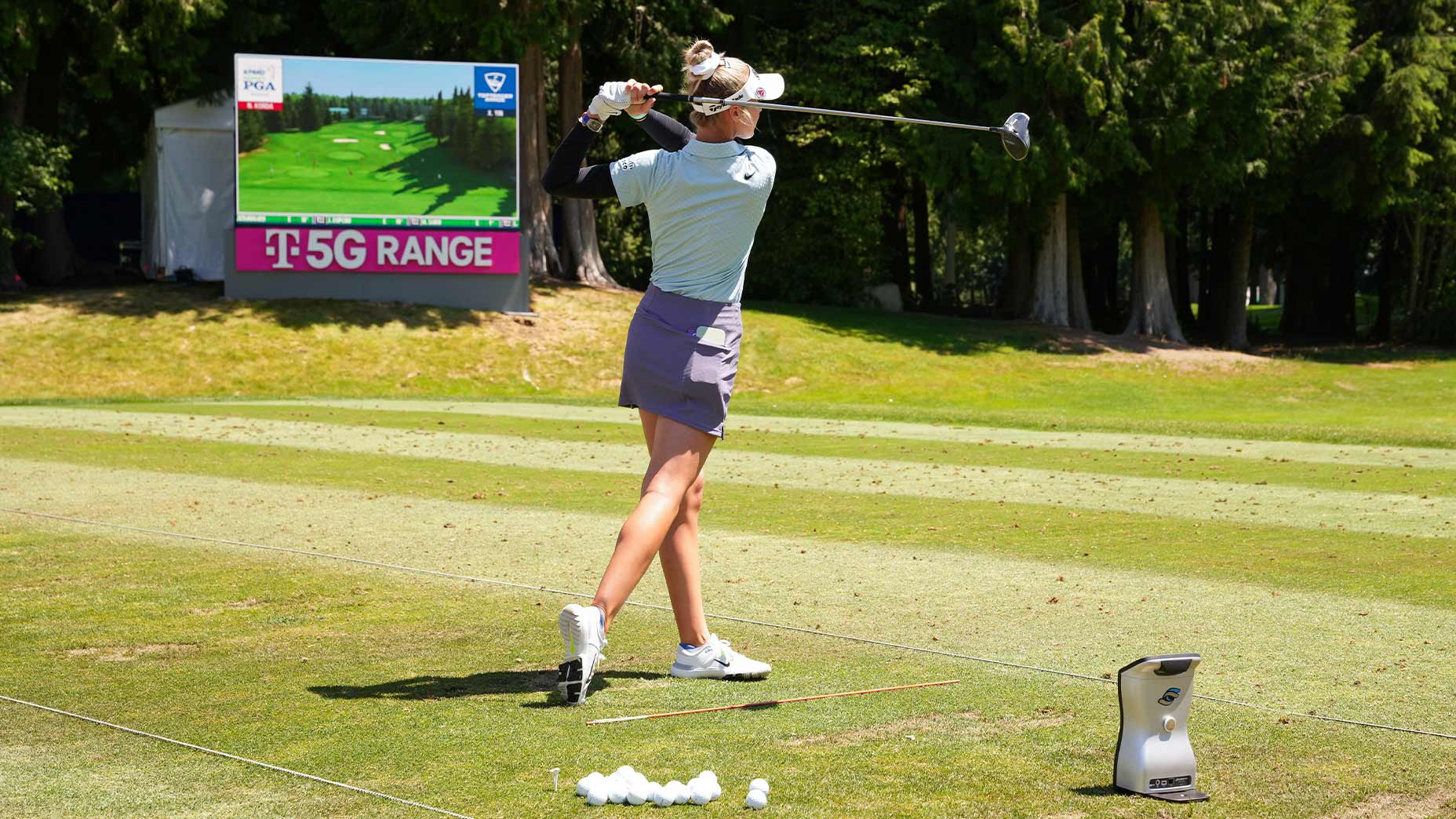
Do you feel like you are practicing a lot but not playing better on the course? I hear this from quite a few players that come to see me. But it’s not what they are practicing but how they are practicing that is keeping them from getting better.
There are two types of practice, and both are important in becoming a better golfer. However, you must understand the difference between them and know when to use each one. The first is block practice, and the second is random (or variable) practice.
Here’s how each works.
Block practice
Block practice is when you are working on your technique and trying to change or make permanent a specific position or motion in your swing. An example would be working on making your backswing more upright. This type of practice should focus completely on the process of making that change, concentrating on the feel, the thought, or the image of the movement you are trying to create.
During block practice, you should be less concerned with the outcome or where the ball goes and instead focus on the process and mechanics of the swing change. This type of practice is most effective when making a technical change to your swing.
<figure class="youtube-facade" data-content="
“>
Variable practice
Random, or variable, practice is when you are hitting shots with a target in mind, and the goal is to get the ball as close to that target as possible. This practice involves changing targets with each shot, just as you do on the course. The emphasis is on selecting a target, visualizing the ball flight, and executing the shot. This type of practice should happen when you feel confident in your technique and want to sharpen your touch, feel, and performance.
Where I see players struggle is when they try to work on their technique and achieving a great result at the same time. This type of practice is frustrating because they end up doing neither particularly well. Improvement takes longer because they are trying to accomplish too much at once, which limits success in either area.
The best way to practice is to focus on one thing at a time and stay fully committed to that specific objective. If you are working on technique, stay focused on the process and place less importance on the outcome. This means hitting the same club and the same shot repeatedly while working on the technical change.
Once that change is improved and under control, shift your focus to the target and your ability to execute shots toward that target. Don’t mix the two types of practice. Make it one or the other, and you will see the quality of your practice improve — and your improvement on the course come much faster.
Disclaimer : This story is auto aggregated by a computer programme and has not been created or edited by DOWNTHENEWS. Publisher: golf.com