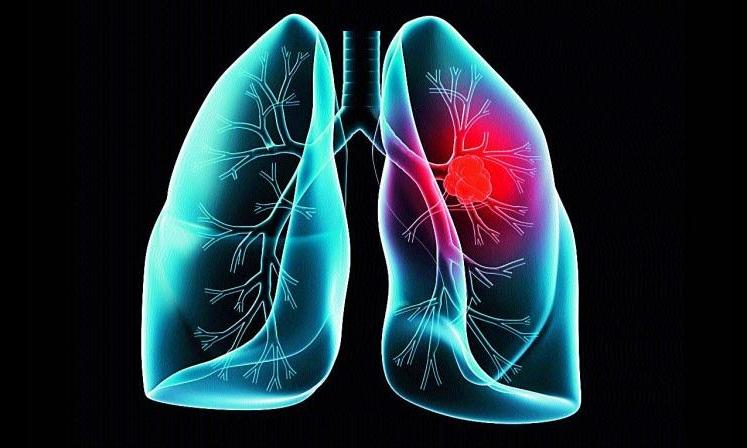
A new trial spanning the UK, France, Spain, and Australia has brought new hope to cancer patients worldwide. A new smart drug can now restrict cancer cells from hiding themselves from the immune system, often referred to as an “invisibility cloak”, and it can “shrink tumours by at least 30% in six of the world’s most common forms of the disease,” early trial results show.
While modern medicine has improved survival rates of cancer patients worldwise, many drugs, despite being the correct medical solution, become ineffective merely because cancer cells can “hide and spread”.
The Good Clinical Practice Network, which manages a clinical trial registry, said that the drug “works by stopping an enzyme in the body, called endoplasmic reticulum aminopeptidase 1 (ERAP1), from working, which is part of how the body recognizes the presence of a cancer tumour and helps trigger the immune system to fight the cancer.”
However, in patients with cancer, the immune system cells can become exhausted and no longer work effectively. Blocking ERAP1 makes the tumour look different to the immune system and so the immune system starts fighting the cancer again.
“GRWD5769 has the potential of producing clinically meaningful improvements in monotherapy and in combination with therapy like cemiplimab (Libtayo®) by enhancing the antitumour immune response,” GCPN website added.
The new drug, named GRWD5769 and developed by researchers in Oxford, is designed to stop cancer cells concealing themselves from the immune system.
“GRWD5769 is a novel first-in-class investigational treatment, differentiated by its focus on precision modulation the Signal 1 pathway involved in antigen presentation,” says Oxford-based Greywolf Therapeutics.
“Our approach shows the potential to transform invisible tumors into immunologically engaged ones and extend benefit to the many patients who are currently left behind,” the company added.
The trial included patients with cervical, bladder, liver, bowel, lung, and head-and-neck cancers. Tumours shrank in 26 of the 83 patients enrolled in the trial, while 15 patients experienced tumour reductions of at least 30%. Some tumours shrank by as much as 95%.
Disclaimer : This story is auto aggregated by a computer programme and has not been created or edited by DOWNTHENEWS. Publisher: deccanchronicle.com