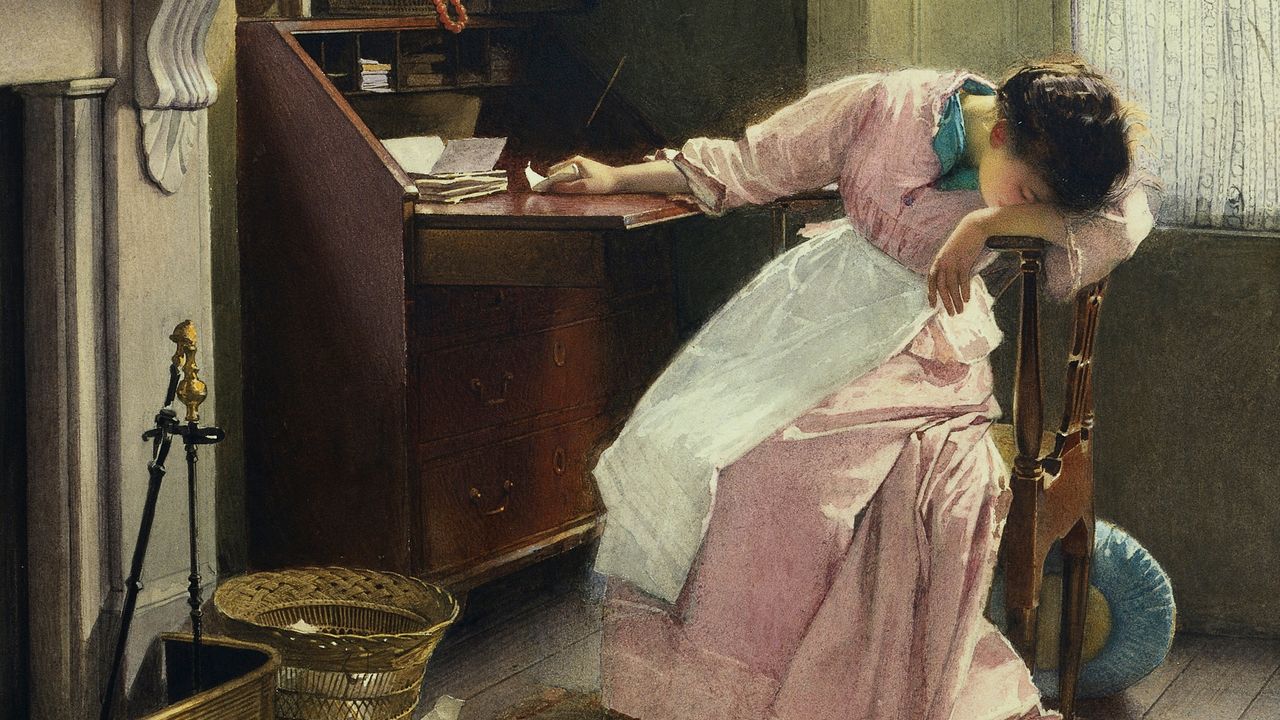
Coming across Wild Geese by Mary Oliver as a young reader was a transformative moment in my life. In the poem, Oliver writes, “You only have to let the soft animal of your body love what it loves.” To me, this line speaks to the simple urgency of being alive, that our time here is meant to be spent doing as we please. She closes the poem with:
“Whoever you are, no matter how lonely,
the world offers itself to your imagination,
calls to you like the wild geese, harsh and exciting—
over and over announcing your place
in the family of things.”
Hers was a generous imagination of the world, her promise comforting: we all belong here and the world will receive us as we are. But that vision feels increasingly distant now. To inhabit a body today is a strangely complicated thing. There is constant discourse around what it should look like, whom it should desire, which bathroom it can enter and which table it is allowed to sit at. Drugs promise to sculpt us into smaller versions of ourselves and celebrities willingly shrink before our eyes while scores of people go hungry in other parts of the world.
Artificial intelligence has only exacerbated this threat to the body. When even a moving video of a person—once the ultimate proof of authenticity—can make you wonder how much of it is actually real, it makes you question where the human ends and the machine begins.
In the face of all of this, perhaps to be human is to experience the ordinary, inconvenient reality of having a body. Hair remembers the hands that brushed it, mostly gentle, sometimes hard. Hands are tactile things, reaching out for comfort despite the fear of rejection. A scent picked up by the nose can return us to the soil we grew up playing in. Mouths speak love and cruelty in the same breath. Shoulders store grief long after the moment that caused it has passed. Every part of us carries a story.
But these stories struggle to survive in the world we inhabit right now. The days blur together, and each morning is waking up to a tired mind and an aching heart in a reality where nothing makes sense, only to have to do it all over again. Using our body to make art then becomes a form of resistance. After all, it is our hands that write, our eyes that see and our backs that bend over desks. We play and dance with the same appendages that we work and maim with. Through the body, something new enters the world; something special is born that becomes language, music and art.
To map these universal experiences, we invited six authors to write works of micro-fiction that isolate fragments of the human anatomy, with every story anchored to a different body part. These tales dare to dream of our organs as living, loving and grieving parts, a radical AI vs human writing exercise in a culture that pushes us to feel less every day.
Disclaimer : This story is auto aggregated by a computer programme and has not been created or edited by DOWNTHENEWS. Publisher: vogue.in