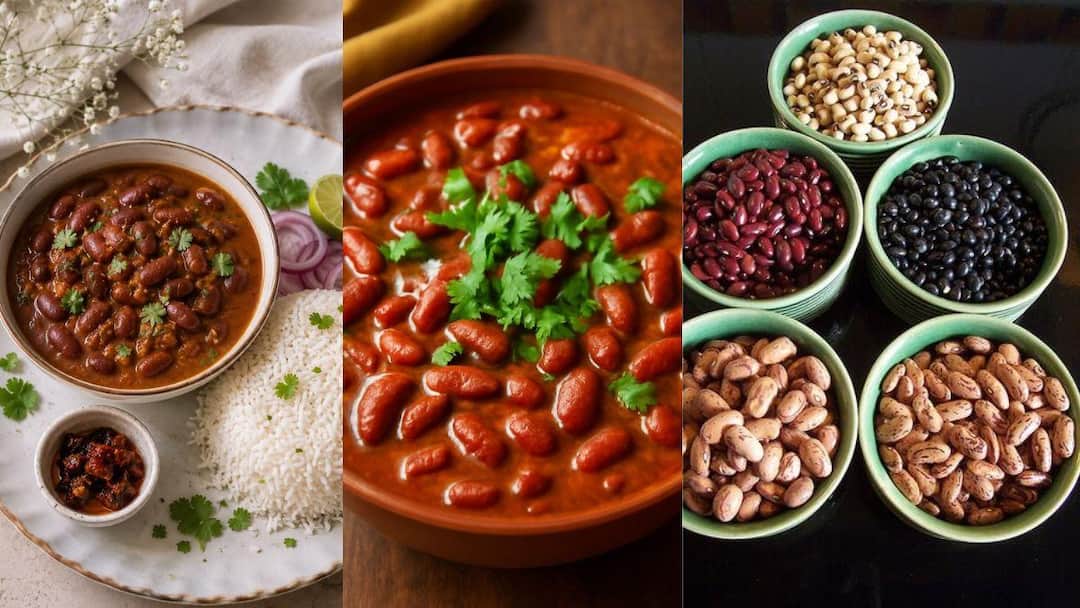
- Rajma is a nutritious legume, rich in protein, fiber, minerals.
- It supports muscle growth, heart health, blood sugar, and digestion.
- Soaking and thorough cooking ensures safe consumption and benefits.
There is something deeply comforting about a plate of rajma chawal. For many Indians, it brings back memories of family lunches, slow Sundays, and homemade meals that feel both filling and familiar. But rajma is more than just a comfort dish served with rice. Packed with protein, fibre, and important minerals, these humble kidney beans quietly offer a long list of health benefits. From supporting heart health to helping digestion, rajma has earned a place beyond the dining table as a nutritious food worth adding to your routine.
What Is Rajma?
Rajma, commonly known as kidney beans, is a legume widely used in Indian cooking, especially in North Indian households. The name comes from its kidney-like shape. Scientifically, rajma belongs to the species Phaseolus vulgaris and is valued for both taste and nutrition.
English name: Kidney Beans
Botanical name: Phaseolus vulgaris
Types of Rajma You Should Know
Rajma comes in different varieties, and each type has its own texture, flavour, and cooking style.
Red Rajma
Often called Lal Rajma, this is the most commonly used variety in dishes such as Punjabi Rajma Masala. These beans have thicker skin and take longer to cook, but hold their shape well and offer a rich flavour.
Chitra Rajma
Also known as speckled kidney beans, Chitra Rajma has a beige or light brown colour with maroon spots. It cooks faster than red rajma and has a softer texture with a mildly nutty taste.
Jammu Or Kashmiri Rajma
Grown in the hilly regions of Jammu and Kashmir, this variety is smaller and darker in colour. It is known for its earthy taste and relatively shorter cooking time.
ALSO READ | Why Diamonds Always Come In Velvet Boxes Has More Science Behind It Than You Think
White Rajma
Though not very common in Indian kitchens, white rajma is widely used in international dishes. Its mild flavour and creamy texture make it suitable for soups, salads and lighter recipes.
Black Rajma
Often compared to black beans, black rajma has a dense texture and contains antioxidants. It works well in stews and dishes inspired by Latin American flavours.
Nutritional Value of Rajma
A 100-gram serving of boiled rajma contains around 127 calories and provides a healthy mix of nutrients. It offers about 8.7 grams of protein, 22.8 grams of carbohydrates and 6.4 grams of fibre. Rajma is also a source of iron, calcium, magnesium and potassium, making it a nutrient-rich food choice.
Health Benefits of Rajma
Supports Muscle Growth
Rajma is a useful source of plant-based protein, making it especially valuable for vegetarians and vegans. Protein helps with muscle repair, body function and overall strength.
Helps in Weight Management
Its high fibre content helps keep you full for longer, reducing unnecessary snacking and overeating. Since rajma is low in fat and contains complex carbohydrates, it can support healthy weight goals.
ALSO READ | Is Your Partner Pufferfishing? Spot Signs And Fix Your Relationship Before It’s Too Late
Helps Control Blood Sugar
Rajma has a low glycaemic index, meaning it releases sugar slowly into the bloodstream. This may help maintain more stable blood sugar levels.
Good for Heart Health
Fibre, potassium and magnesium present in rajma can support heart function. These nutrients may help regulate blood pressure and contribute to balanced cholesterol levels.
Fights Fatigue
Rajma contains iron, an essential mineral needed for carrying oxygen in the blood. Low iron levels are often linked to tiredness and weakness.
Supports Gut Health
The fibre in rajma helps digestion and supports healthy gut bacteria. When cooked properly, it may also help reduce digestive discomfort over time.
Supports Skin Health
Rajma contains antioxidants and zinc, nutrients linked to skin repair and collagen production. These may help support healthier-looking skin.
Is Rajma Safe During Pregnancy?
Rajma can be included in a pregnancy diet when cooked properly. It provides folate, iron and protein, nutrients that support both maternal health and fetal growth. However, it should always be soaked and cooked thoroughly before eating.
Side Effects of Rajma
Gas And Bloating
Rajma may cause bloating in some people because of naturally occurring compounds called oligosaccharides. Soaking the beans for several hours and cooking them with spices like cumin, ginger, ajwain, or hing may help.
Risk Of Lectin Toxicity
Raw or undercooked rajma contains lectins, which may lead to digestive discomfort or food poisoning. Proper soaking and pressure cooking are important.
Kidney Concerns
People with kidney-related conditions may need to limit rajma because of its potassium and phosphorus content. It is best to seek medical advice before including it regularly in a renal diet.
How Much Rajma Should You Eat?
A moderate serving of about 50 to 100 grams of cooked rajma, roughly one cup, is generally considered enough. Eating it two to three times a week can be part of a balanced diet without overloading digestion.
Tips to Cook Rajma Properly
- Soak rajma for 8 to 10 hours before cooking to improve digestion and reduce cooking time.
- Always boil or pressure cook thoroughly to remove harmful compounds.
- Add digestive spices like turmeric, ginger, cumin and hing for better digestion.
- Freshly cooked rajma is usually a better choice than canned versions, which may contain added sodium and preservatives.
Why Rajma Deserves a Place on Your Plate
Rajma is more than a comfort meal served with rice. It combines nutrition, flavour and versatility in one ingredient. When prepared properly, it can become a wholesome addition to a balanced diet, whether enjoyed in curries, soups or creative recipes. A simple bowl of rajma may be doing far more for your health than you realise.
Check out below Health Tools-
Calculate Your Body Mass Index ( BMI )
Calculate The Age Through Age Calculator
Before You Go
Could a Single Injection Replace Chemotherapy and Radiation in Cancer Treatment?
Disclaimer : This story is auto aggregated by a computer programme and has not been created or edited by DOWNTHENEWS. Publisher: abplive.com