
A fresh cultural conflict is looming over the way Australia’s schoolchildren are taught, one of the nation’s leading teacher educators has warned, just as the sector recovers from the decades-long “reading wars”.
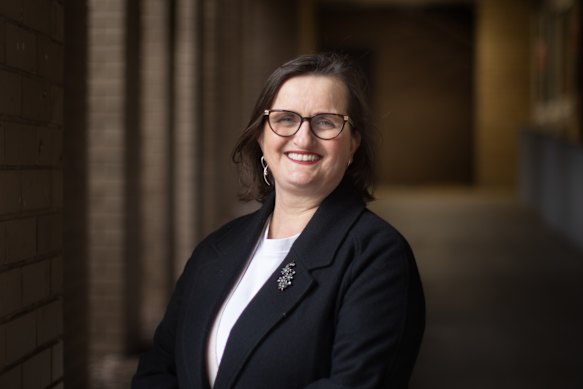
La Trobe University Professor Joanna Barbousas says a fresh clash is emerging as resistance grows among teachers and academics to the “evidence-based” teaching methods that governments are increasingly mandating for the nation’s classrooms.
Barbousas, the dean of La Trobe’s School of Education, which has more than 3000 students enrolled, says she believes that decades of conflict in the teaching profession and academia over literacy teaching are over, but that fresh trouble is brewing over the science of learning across all subjects.
Responding to the growing controversy, Victorian Education Minister Ben Carroll told The Age this week that the state government remained firmly committed to its evidence-based “education revolution”.
Carroll will speak at Wednesday’s The Age School Summit in Melbourne, along with a key figure in the rise of evidence-based learning in recent years, Australian Education Research Organisation chief executive Jenny Donovan.
Advocates of the phonics, an explicit learning approach to teaching children how to read, battled for decades against those espousing the alternative whole language approach, in what became known as the “reading wars”.
But with governments increasing drawn to the evidence-based explicit teaching models – with the introduction of mandatory phonics in Victorian government schools a leading example – many in the evidence-based camp believe the science is settled and the reading wars are over.
But as The Age recently reported, a backlash against the evidence-led agenda is mobilising among teachers and academics, and Barbousas said she feared a broader clash was coming, fought not just over reading but the science of teaching across all subjects.
“Transformation is uncomfortable,” the La Trobe academic said.
“The friction we are experiencing is the friction of genuine change.
“What kind of concerns me is that the reading wars are now behind us, hard-won on the back of decades of evidence.
“But I just hope we’re not going to get into the learning wars because the people who will really be troubled will be young children.”
Robert Hattam, an emeritus professor of educational justice at Adelaide University, is among those with a different view on what he describes as the “so-called” evidence-based agenda.
The veteran educator has long battled against explicit learning and has dubbed the approach “one-size-fits-all nonsense” and based on “evidence that’s wobbly at best”.
Hattam is highly critical of governments imposing explicit learning on their schools.
“The continued forcing of this narrow version of the world onto teachers is dumbing down the nation, the evidence is mounting,” he said.
Hattam said he also expected the dispute between the opposing views to grow sharper as opposition to the evidence-led agenda became more networked and organised.
“The criticisms are getting more extensive, for all sorts of reasons,” Hattam said.
Carroll told The Age he was aware of opposing views in the sector, but that he was determined to push ahead with teaching reforms.
“This is the education revolution we had to have and this is the voice of reason, backed by science and evidence,” Carroll said.
“All the landmark reports, both here and overseas, have shown that explicit instruction hurts no one, and lifts everyone.
“We’ve got to make the precious use of every minute we have of students with us from kindergarten to year 12.
“That means giving them the best teaching that we can.”
The Age Schools Summit 2026 is at Crown Conference Centre on June 10.
Start the day with a summary of the day’s most important and interesting stories, analysis and insights. Sign up for our Morning Edition newsletter.
From our partners
Disclaimer : This story is auto aggregated by a computer programme and has not been created or edited by DOWNTHENEWS. Publisher: www.smh.com.au