
A spate of deaths has been linked to nitrous oxide use as a rising number of Victorians are suffering permanent spinal and neurological injuries after inhaling the gas from supersized canisters.
Doctors across Melbourne warn rampant recreational use of the substance, inhaled from metal canisters known as “nangs,” has triggered a sharp rise in emergency department presentations and led to devastating health outcomes including paralysis, severe burns and life-threatening complications.
New Coroner’s Court of Victoria data also reveals a cluster of accidental deaths linked to nitrous oxide, including five people who died last year.
The data also showed an alarming spike in deaths following increased use during coronavirus pandemic in 2020. To date, there have been 16 deaths linked to nitrous oxide between 2020 and 2025, following coronial investigations, compared to just four in the preceding two decades.
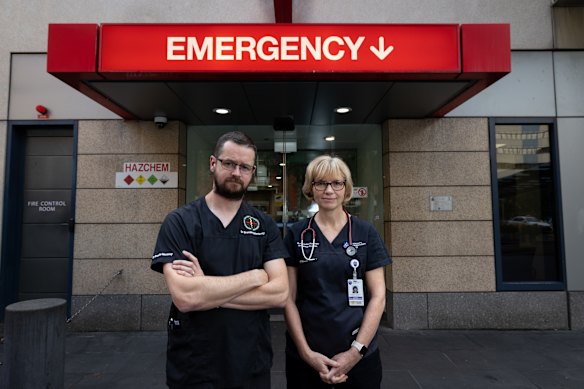
Deputy director of emergency medicine at St Vincent’s Hospital in Melbourne Dr Brendan Morrissey said he had treated young people who had arrived in cardiac arrest after inhaling the gas, while others were being left with irreversible brain and spinal damage and loss of bodily function including incontinence.
“We’re definitely seeing a significant increase in presentations with complications from nitrous oxide use,” Morrissey said.
“We’ve had tragic cases. It really sets off a chain of events. People are getting permanent neurological changes and permanent loss of lower limb function. This is irreversible nerve damage, where they can’t feel their legs or walk because of it.”
Nitrous oxide, commonly known as laughing gas, is a short-acting, inhaled anesthetic and analgesic which has been used for sedation in medical settings for more than 180 years.
Recreational use of nitrous oxide has soared across Australia due to its low cost and accessibility.
In Victoria, sale of nitrous oxide for culinary or medical purposes is legal, however, it is illegal to sell or supply it if the retailer knows or has reasonable cause to believe the purchaser intends to inhale it.
But the substance remains readily available at some convenience stores. Advertisements online show large canisters marketed as “cream chargers filled with certified pure nitrous oxide” available for fast, doorstep delivery. Online shops are also selling supersized canisters, containing more than three litres of the gas, with names like “SupremeMax tank”.
Morrissey said doctors were also treating increasing numbers of people who had thermal burns after inhaling the gas from oversized metal canisters.
“They are coming into the hospital with horrible burns, it is like freeze burn on their lips, fingers, their nose in their airways,” he said. “They can end up with nasty burns to their inner thighs as well.”
Royal Melbourne Hospital’s director of emergency medicine, Dr Mark Putland, has also observed the worrying trend.
“The consequences are catastrophic,” he said. “It has become a huge problem. It is causing permanent spinal damage, brain damage, psychosis. People are becoming paraplegic because of it.”
Putland said while nitrous oxide hospital presentations were once overwhelmingly university students, often from overseas, healthcare workers were now seeing people of all ages including teenagers, people in their 20s, 30s and older.
“We’re seeing everybody, the 50-year-old Anglo blokes to young really young people,” he said. “People are using vast amounts of it. They are buying five litre tanks of the stuff. These are industrial-sized tanks.”
Putland said a growing number of the people who were being harmed or overdosing appeared to be in the grips of addiction.
The consequences are catastrophic. It has become a huge problem. People are becoming paraplegic because of it.
Royal Melbourne Hospital director of emergency medicine Dr Mark Putland
“It can be a really addictive drug, and it’s a really tragic thing to see someone who has just lost their way,” he said.
Nitrous oxide can cause severe functional Vitamin B12 deficiency by chemically altering and inactivating the crucial vitamin within the body.
Heavy use of the gas can also destroy the protective coating around the nerves causing muscle weakness, loss of balance, walking difficulties, and permanent paralysis.
Morrissey said people were arriving at hospital with a broad spectrum of symptoms from nausea, vomiting to limb weakness, tingling in their hands and feet and serious psychiatric issues such as psychosis, sensory hallucinations.
“The problem is that you can now get it in massive amounts and people are taking huge amounts consistently to maintain that high, so they are running into complications much more quickly,” Morrissey said.
Morrissey said five years ago it was a relatively rare presentation to hospital, but now it has become routine.
“It’s cheap, very available, and in vogue,” he said. “I worry that because it is used in medicine and commercially, it is so readily available people don’t appreciate the terrible risks of it.”
Dr Jacqueline Maplesden, an emergency physician with a special interest in toxicology at St Vincent’s Hospital Melbourne said many of the complications caused by nitrous oxide were reversible if early caught and treated quickly.
She said treatment typically involved Vitamin B12 supplementation, which included high-dose oral or intramuscular injections of the vitamin to rapidly correct the deficiency caused by inhaling nitrous oxide.
“It often involves injections over a long period of time,” she said.
Some people required intensive rehabilitation and have to relearn how to walk.
Maplesden said many people had shifted from using small “nangs” with about eight grams of nitrous oxide, such as those used an aerosol propellant to whip cream, to larger canisters now contain up to 200 times the amount of the gas in them.
“It’s basically a gas that’s cooled and pressurised, and it’s usually inhaled in a balloon to prevent the gas coming out at pressure,” she said.
Maplesden said in medical settings, nitrous oxide is always mixed with oxygen to prevent hypoxia (low oxygen).
However, commercial sized canisters contain no oxygen so when inhaled in an enclosed space people are at heightened risk of asphyxiating and seizures.
“People need to know about the potential harm and the complications from using this agent and the importance of seeking help early,” she said.
Morrissey said emergency doctors across Melbourne were gathering data on the rise in hospital presentations and the symptoms patients are exhibiting.
“Every hospital is experiencing the same thing,” he said. “We are all getting our heads around understanding early treatment and early screening for it.”
Pennington Institute chief executive John Ryan said tighter regulation and a national campaign warning Australians of the dangers of nitrous oxide were urgently needed.
“The deaths linked to nitrous oxide are just the tip of the iceberg,” Ryan said. “The permanent harm it is causing is mind-boggling. This really is a new frontier of harm from substances, and it is readily available, and people don’t realise how dangerous it is.”
In her findings for the death of a 26-year-old man who died by suffocation after using a mask to inhale nitrous oxide in his home alone in 2023, Victorian Coroner Audrey Jamieson said last year the growing number of unintended deaths linked to the gas was “particularly concerning”.
Start the day with a summary of the day’s most important and interesting stories, analysis and insights. Sign up for our Morning Edition newsletter.
 Melissa Cunningham is a health reporter for The Age. She has previously covered crime and justice.Connect via X or email.
From our partners
Disclaimer : This story is auto aggregated by a computer programme and has not been created or edited by DOWNTHENEWS. Publisher: www.smh.com.au