KAGOSHIMA, Jun 07, 2026 –
Yakushima, a world natural heritage island in Kagoshima Prefecture, is marking 60 years since the discovery of Jomon Sugi, the island’s iconic cedar tree estimated to be more than 2,000 years old, as concerns grow over the future of the ancient forests that have long supported both tourism and local life.
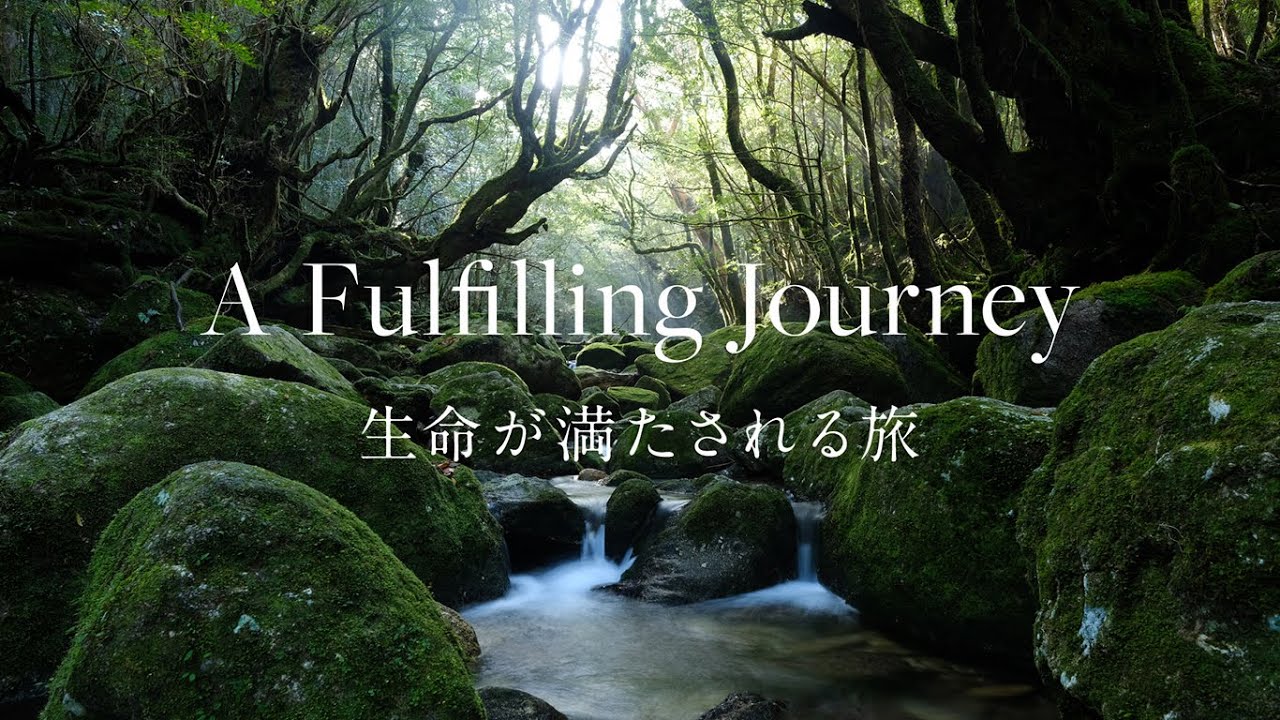
Known for its vast primeval forests and Yakusugi cedar trees that are more than 1,000 years old, Yakushima is one of Japan’s wettest regions, with abundant rainfall nurturing its rich ecosystem.
In 1993, Yakushima became one of Japan’s first World Natural Heritage sites, alongside the Shirakami Mountains.
Before dawn, hikers gather at bus stops leading to the mountain trailhead. Around 400 people set out each day on the 22-kilometer round-trip journey, which takes approximately 10 hours to complete. Their destination is Jomon Sugi, the largest and most famous of Yakushima’s ancient cedars.
Tree stumps scattered along the trail and remnants of old railway tracks used for logging serve as reminders of a period when large numbers of trees were cut down for timber.
The final section of the hike is steep and demanding, but visitors draw inspiration from the towering trees around them. After about five hours of climbing, hikers reach Jomon Sugi at an elevation of 1,300 meters. Standing 22 meters tall with a trunk circumference of 16 meters, the giant cedar has endured centuries of harsh winds and snow. Its powerful trunk and numerous large burls reflect the remarkable vitality that has made it a symbol of the island.
Jomon Sugi was first identified in May 1966 by Sadatsugu Iwakawa, then an employee in the town’s tourism department.
His son, 73-year-old Sadayuki Iwakawa, recalled the moment his father returned from the discovery.
“My father was a man of few words,” he said. “But that day was different. He was smiling and said, ‘I found it.'”
Today, Yakushima, home to roughly 10,000 residents, welcomes about 240,000 tourists annually. Approximately one in every five visitors—around 50,000 people—enters the mountains to see Jomon Sugi.
At the same time, many of the island’s oldest cedar trees are showing signs of age. Cases of hollowing trunks and trees breaking under the strain of wind and snow have become increasingly common.
Taro Watanabe, who has worked as a guide on the island for 25 years, believes preserving Yakushima’s natural environment for future generations is an urgent responsibility.
“Our mission is to pass on Yakushima’s tourism industry and environment to the next generation,” said Watanabe, vice chairman of the Yakushima Tourism Association. “We don’t want tourism that simply consumes or exploits Yakushima.”
To prevent excessive visitor pressure from damaging the forests, local stakeholders are seeking ways to highlight new attractions across the island and encourage a more sustainable approach to tourism.
“It takes time, but if we continue these efforts, I think the idea will gradually spread,” Watanabe said.
For six decades, Jomon Sugi has supported the island’s economy and drawn visitors from around the world. Yet as the ancient tree and the forests around it age, they are also prompting a broader question about how people should coexist with and protect the natural environment that sustains them.
Disclaimer : This story is auto aggregated by a computer programme and has not been created or edited by DOWNTHENEWS. Publisher: newsonjapan.com