The stablecoin market, which has been dominated for a decade by Tether and Circle, could look very different in a year. The leading legacy players in payments, Visa and Mastercard, have been circling the sector for some time and are reportedly cooking up a plan with other big players to put their own spin on stablecoins.
According to a CoinDesk report, the credit card giants are in talks with Stripe and Coinbase to launch a stablecoin platform. The report, based on anonymous sources, offered little in the way of timeline or details. I looked into this and learned there is indeed talk of a new consortium, and that additional companies may be involved in the talks.
If anything comes of this, it will have big implications for a stablecoin market whose value is above $300 billion. For starters, the new partnership would accelerate the adoption of stablecoins throughout the retail payment system, where the trio of Visa, Mastercard, and Stripe already carry out a huge chunk of everyday transactions.
There’s also the question of what this means for Circle, whose flagship USDC token accounts for the majority of regulated stablecoin activity in North America and Europe. The chatter around the would-be consortium is about a stablecoin “platform,” but it’s a safe bet that Mastercard, Visa and Coinbase would use this arrangement to nudge their millions of merchant clients to use some sort of in-house token. Doing so would open up a stream of new revenue opportunities from reserve interest and more.
As for Coinbase, it’s tougher to see what it would gain from opening a stablecoin platform with Stripe and the credit card giants. Currently, the company is enjoying a sweet deal thanks to a 2023 contract with Circle that lets it collect the lion’s share of the interest from USDC reserves, while the latter looks after most of the operational and regulatory responsibility. This arrangement is not permanent, though, and no doubt Circle will be feeling less generous when it’s time to negotiate the terms. All of this suggests Coinbase may see better opportunities in trying its luck with a new stablecoin partnership.
The biggest question, though, is whether any of this will happen in the first place. Based on my conversations, there is no formal deal as yet and perhaps not even MOUs. For now, the report of “talks” appears to be just that—and talks happen all the time in this business world. While a grand stablecoin bargain could go forward, history shows consortiums are harder than they seem. Just recall Facebook’s big Libra partnership plans in 2019 or R3’s scheme to build a blockchain coalition of banks a decade ago.
For the would-be stablecoin partnership, the companies will have to achieve a level of trust that is difficult for competitors, and also find a way to hammer out the details across multiple large corporate bureaucracies. And even in the laissez-faire Trump era, it seems likely that antitrust regulators would take a hard look at any plan by the world’s largest payment companies to go into business together. For now, though, it’s early days and it will likely be months before we hear more about this—if it goes anywhere at all.
Jeff John Roberts
jeff.roberts@fortune.com
@jeffjohnroberts
DECENTRALIZED NEWS
Crypto VC firm Variant, a proponent of decentralized ownership, raised $222 million for a new fund with a thesis focused on blockchain, AI, and autonomy. (Fortune)
Andrew Yang’s low-cost mobile phone business acquired the once-buzzy tokens-for-WiFi startup Helium Mobile for an undisclosed amount. (Fortune)
JPMorgan Chase, Citi, and other banks plan to launch a 24/7 tokenized deposit network in 2027 aimed at big institutions that will offer programmable treasury operation and real-time liquidity management. (WSJ)
Zcash crashed 40% on the discovery of a bug that could allow unlimited minting. The bug is patched but investors remain skittish as it remains unclear whether bad actors issued counterfeit coins. (Decrypt)
A new Chainalysis report reveals that crypto is fueling a $100 million gray market in peptides from China. Our reporter gave it a try. (Fortune)
MAIN CHARACTER OF THE WEEK
Romain Maurice—Getty Images
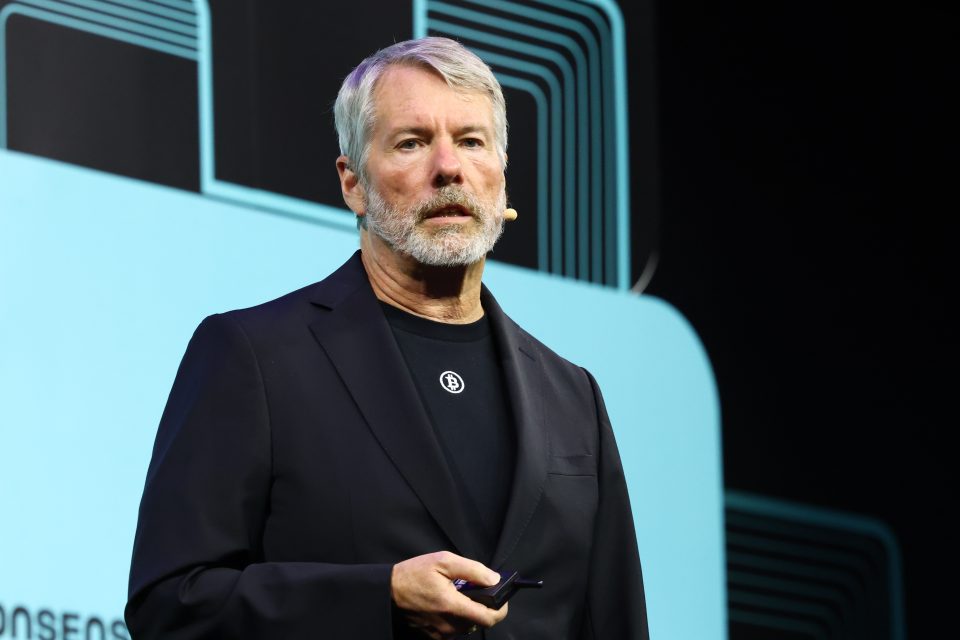
Michael Saylor is back in the hot seat after Strategy did the unthinkable and sold Bitcoin as its founder tries to pull off the impossible by paying dividends, propping up its share price, and amassing Bitcoin all in a brutal bear market.
MEME O’ THE MOMENT

@HunterBiden
Just when Crypto Twitter was feeling flat, along comes Hunter Biden. The redeemed crackhead is charming everyone with his self-deprecatory humor—and big enthusiasm for the Clarity Act.
Disclaimer : This story is auto aggregated by a computer programme and has not been created or edited by DOWNTHENEWS. Publisher: fortune.com