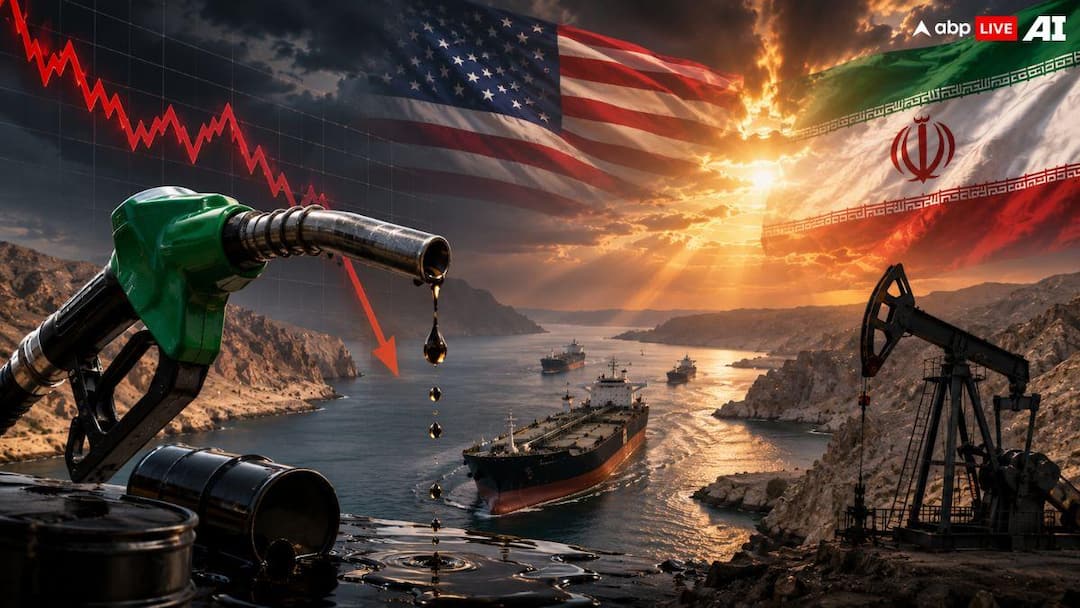
- Indian petrol, diesel prices remained unchanged for consumers today.
- Government hiked export duties on diesel and aviation fuel.
- Global crude oil prices eased amid US-Iran agreement hopes.
Indian motorists woke up to no change in petrol and diesel prices on June 16, even as the Centre announced fresh tweaks to fuel export duties and global oil markets continued to react to developments in West Asia.
While petrol and diesel rates at the pump remained unchanged across major cities, the government has increased export duties on diesel and aviation turbine fuel (ATF) in its latest fortnightly review. The move comes as policymakers continue to balance domestic fuel availability with shifting global energy dynamics.
No Change In Petrol, Diesel Prices Today
Oil marketing companies (OMCs) kept retail fuel prices unchanged on June 16 despite ongoing volatility in international crude markets.
The decision offers some respite to consumers after a series of price increases over recent weeks. Fuel prices were last revised upwards in May, when petrol and diesel rates were increased by more than Rs 2.50 per litre on May 25. Since mid-May, cumulative revisions have pushed retail fuel prices up by nearly Rs 7.50 per litre, taking them to their highest levels in more than two years.
Even as crude oil prices continue to fluctuate, OMCs have chosen to maintain existing retail rates for now.
Centre Raises Export Duty On Diesel And ATF
While consumers have been spared any fresh increase at the fuel pump, the government has revised export duties on select petroleum products.
According to a gazette notification issued on Monday, the export duty on diesel has been increased to Rs 14 per litre from Rs 13.5 per litre, while the levy on aviation turbine fuel has been raised to Rs 12.5 per litre from Rs 9.5 per litre.
The revised rates come into effect from June 16.
The export duty on petrol, however, remains unchanged at Rs 1.5 per litre.
The government also clarified that there has been no change in the existing excise duty structure applicable to petrol and diesel sold within the country.
Also Read : Centre Increases Export Duty On Diesel To Rs 14, ATF To Rs 12.5 Per Litre
Why The Government Adjusts Export Duties
The latest revision forms part of the government’s fortnightly review mechanism, under which export duties are adjusted in line with international crude oil and refined product prices.
The objective is straightforward: prevent refiners from diverting excessive quantities of fuel towards export markets when overseas prices become significantly more attractive than domestic sales.
Officials say the duty structure helps ensure adequate availability of petrol, diesel and aviation fuel within India during periods of market volatility.
The previous review was carried out on June 1, while a major duty hike was implemented on March 26 amid severe disruptions linked to the West Asia conflict.
Global Oil Markets Remain Cautious
International crude oil prices continued to edge lower on Tuesday as traders assessed the possibility of energy supplies returning through the Strait of Hormuz following a preliminary agreement aimed at ending the conflict involving Iran.
Brent crude slipped 0.3 per cent to $82.92 per barrel, while US benchmark West Texas Intermediate (WTI) crude eased 0.1 per cent to $80.66 per barrel in early trade.
The decline follows a sharp sell-off in the previous session, when oil prices tumbled nearly 5 per cent after US President Donald Trump announced that a memorandum of understanding had been signed to bring an end to the conflict involving Iran. The announcement fuelled hopes that disruptions to oil shipments through the Strait of Hormuz could eventually ease.
However, market participants remain cautious. While expectations of improved supply flows have weighed on prices, traders are still awaiting greater clarity on the terms of the agreement and the timeline for restoring normal shipping activity through the strategic waterway.
For energy-importing nations such as India, developments in the Gulf remain closely watched, as sustained movements in global crude prices can influence fuel costs, inflation and the country’s import bill.
Why Petrol Prices Differ Across Cities
One of the most common questions among motorists is why petrol costs vary from one city to another.
The answer lies largely in taxation.
Although petrol and diesel prices are revised daily under India’s dynamic fuel pricing mechanism, state governments impose their own Value Added Tax (VAT) and local levies, creating significant regional differences.
Transportation costs, dealer commissions, freight expenses and local charges further influence final retail prices.
As a result, petrol prices currently range from around Rs 101.45 per litre in some cities to as high as Rs 117.11 per litre in others.
Also Read : Share Markets Hopeful About US-Iran Peace Deal, Sensex Over 200 Points Up, Nifty Over 23,900
Petrol, Diesel Prices In Major Cities On June 16
| City | Petrol (Rs/litre) | Diesel (Rs/litre) |
|---|---|---|
| Delhi | Rs 102.12 | Rs 95.20 |
| Mumbai | Rs 111.21 | Rs 97.83 |
| Kolkata | Rs 113.47 | Rs 99.82 |
| Chennai | Rs 107.88 | Rs 99.65 |
| Lucknow | Rs 101.86 | Rs 95.36 |
| Noida | Rs 102.12 | Rs 95.56 |
Among the major metropolitan centres, Kolkata continues to record the highest petrol price, while Delhi remains the cheapest among the four metros.
Will Fuel Prices Change Soon?
The answer may depend on developments thousands of kilometres away.
If the proposed US-Iran agreement results in a sustained reopening of the Strait of Hormuz and global crude prices continue to soften, pressure on fuel retailers could ease in the coming weeks.
For now, however, petrol and diesel prices remain unchanged, with consumers and policymakers alike keeping a close watch on both global energy markets and domestic supply conditions.
Before You Go
BREAKING NOW: Indore fire tragedy as EV short circuit triggers deadly explosions
Disclaimer : This story is auto aggregated by a computer programme and has not been created or edited by DOWNTHENEWS. Publisher: abplive.com