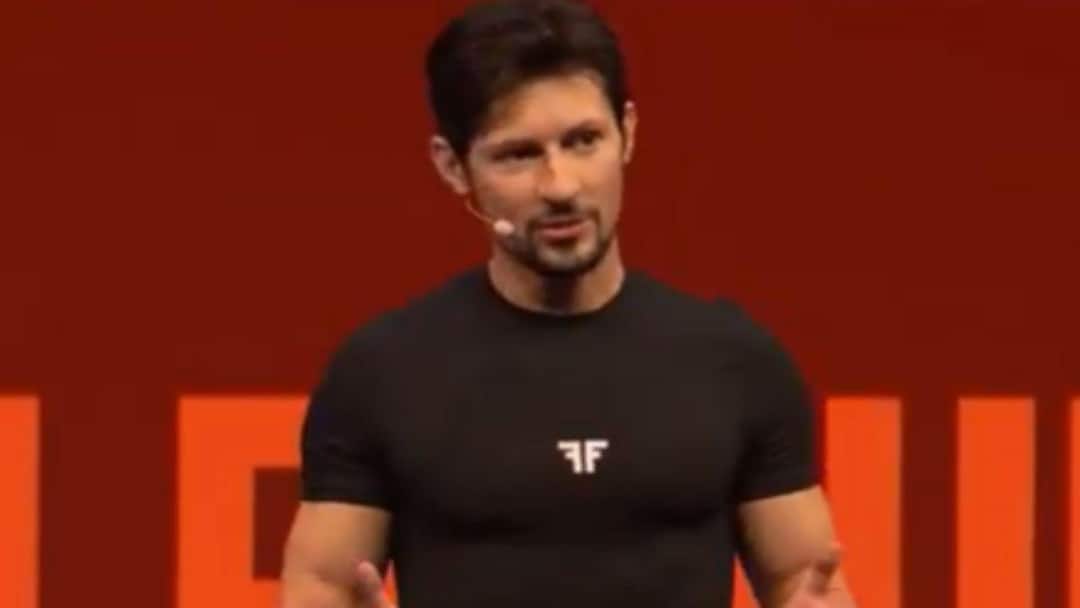
- Pavel Durov slammed India’s Telegram ban, impacting 150 million users.
- Ban aimed to stop exam leaks, but leaks merely shifted platforms.
- Authorities cited specific channels promoting exam fraud on Telegram.
Telegram founder Pavel Durov has criticised the Indian government’s temporary ban on the messaging platform, arguing that the move penalised more than 150 million ordinary users while doing little to curb the spread of leaked examination material.
In a statement posted on X, Durov said the week-long restriction imposed by India’s Information Technology Ministry disrupted communication for millions of legitimate users without addressing the individuals responsible for leaking exam content.
“India’s IT ministry banned Telegram for one week because some users shared leaked exam questions,” Durov said.
“This punishes 150M+ ordinary Telegram users in India — not the insiders who leaked the exam materials.”
‘Collective Punishment,’ Says Durov
The Telegram chief described the action as a form of collective punishment and questioned whether the ban achieved its intended objective.
“And the ban hasn’t stopped anything. The leaks just moved to other apps,” he said.
Durov maintained that restricting access to a platform used by millions does not address the root causes of examination fraud and merely shifts unlawful activity to alternative platforms.
“The ban has not stopped anything,” he said, reiterating that those responsible for leaking examination materials remained unaffected while ordinary users faced the consequences.
Ban Linked To NEET Re-Examination Concerns
The comments come after Indian authorities temporarily blocked Telegram ahead of the NEET UG 2026 re-examination, citing concerns over alleged attempts to defraud candidates through claims of leaked question papers.
The examination had already become mired in controversy following allegations of paper leaks, leading to the cancellation of millions of results and sparking widespread concern among students and parents.
The temporary restriction was imposed just days before the NEET 2026 re-examination scheduled for June 21.
Why Telegram Came Under Scrutiny
According to the National Testing Agency (NTA), the decision followed months of monitoring Telegram channels allegedly linked to organised cheating networks and cyber fraud groups.
The agency said several channels operating under names such as “PAPER LEAKED NEET”, “Re-NEET 2026”, “Private Mafia” and “REE NEET MAFIAA” claimed to provide access to examination papers and sought payments ranging from a few thousand rupees to several lakh rupees from candidates and their families.
The NTA has repeatedly stated that no examination paper exists outside the secured examination process.
“The promise of any such material is, in every instance, a fraud,” the agency said.
Platform’s Features Under Spotlight
Telegram has emerged as one of India’s most widely used messaging platforms, with more than 150 million users relying on it for personal communication, education, business and community engagement.
The platform’s privacy-focused design, large broadcast channels, anonymous usernames and file-sharing capabilities have contributed to its popularity. However, authorities have also expressed concerns that these same features can be exploited by individuals promoting examination scams and false claims of paper leaks.
In recent years, several exam-related fraud schemes and paper leak rumours have circulated through Telegram channels, prompting authorities to closely monitor the platform during major competitive examinations, including NEET.
Before You Go
Apple creates a new record in iPhone sales after launch of iPhone 16 | ABP Paisa Live
Disclaimer : This story is auto aggregated by a computer programme and has not been created or edited by DOWNTHENEWS. Publisher: abplive.com