
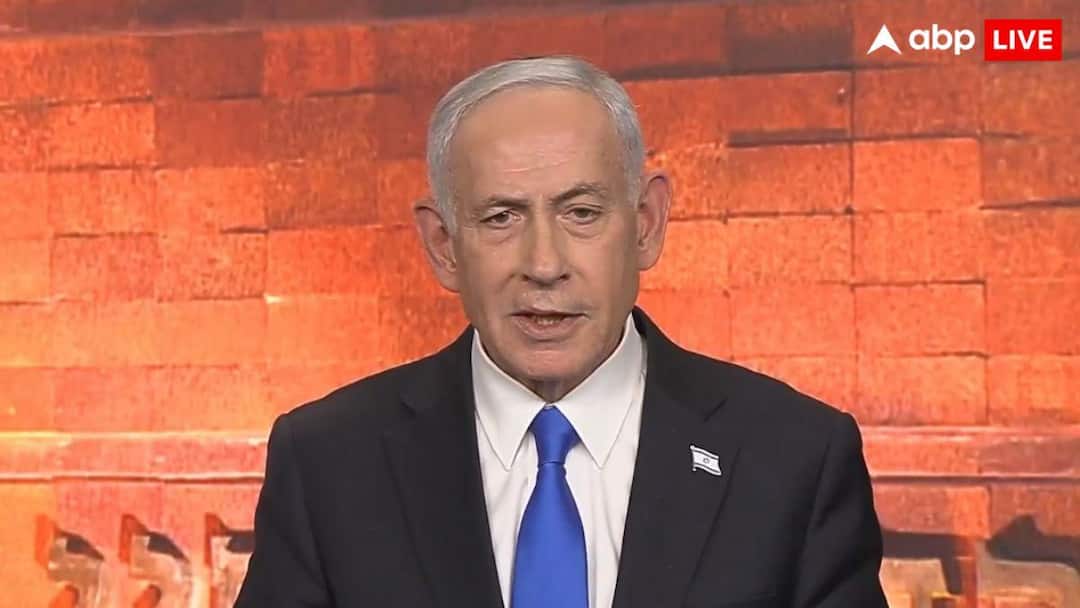
- Israel and Hezbollah restored a fragile ceasefire after intense fighting.
- Violence disrupted US-Iran talks regarding wider regional settlement.
- Hezbollah killed four soldiers; Israeli strikes killed 47.
- Iran warned against agreement violations, increasing regional uncertainty.
Israel and Hezbollah agreed on Friday to restore a fragile ceasefire in Lebanon after a day of intense fighting that threatened to undermine the newly reached agreement between the United States and Iran aimed at ending their wider conflict.
The renewed truce came after 24 hours of violence that highlighted the challenges facing efforts to stabilise the region. The confrontation erupted just days after Washington and Tehran signed a memorandum of understanding designed to open a path towards a broader settlement.
The flare-up also disrupted diplomatic momentum. A meeting scheduled for Friday in Switzerland between US and Iranian officials was called off after Hezbollah killed four Israeli soldiers and Israel responded with a series of airstrikes across southern Lebanon and the Bekaa Valley.
Planned Diplomacy Interrupted by Renewed Fighting
The cancelled talks were due to take place in the Swiss village of Obbürgen and were intended to focus on implementing the recently signed agreement between Washington and Tehran.
The discussions had been scheduled only two days after both sides agreed to a memorandum of understanding that established a 60-day window for negotiations on Iran’s nuclear programme.
The agreement also sought to facilitate the resumption of oil shipments through the Strait of Hormuz, a critical route for global energy supplies.
ALSO READ | Trump Unveils New Air Force One Gifted By Qatar, Calls It ‘Flying White House’: WATCH
Lebanon Ceasefire Central to Wider Regional Deal
The memorandum included a commitment to halt hostilities across all fronts connected to the conflict, including Lebanon, making the ceasefire between Israel and Hezbollah a key element of the broader arrangement.
However, the latest violence quickly exposed the fragility of those commitments. Israel’s retaliatory strikes reportedly killed at least 47 people in southern Lebanon and the Bekaa Valley following the deaths of the four Israeli soldiers.
The exchange of attacks raised fresh concerns about whether the agreement could withstand pressure from developments on the ground.
Iran Issues Warning Amid Growing Uncertainty
Iran’s chief negotiator, Mohammad Bagher Ghalibaf, warned against any violation of the agreement, saying any breach would trigger a “decisive response … to the enemy”.
His remarks underscored the tense atmosphere surrounding the deal and reflected concerns that further incidents could derail diplomatic efforts before substantive negotiations begin.
The renewed violence and the diplomatic uncertainty surrounding the cancelled talks have added to doubts over whether the region can move towards a lasting settlement.
ALSO READ | ‘Iran Gets No Money, Not Ten Cents!’: Trump’s New Post As US-Iran Peace Deal Is Scrapped
Regional Conflict Continues to Cast Long Shadow
The latest developments come against the backdrop of a wider regional conflict that has already claimed at least 7,000 lives.
Beyond the human toll, the fighting has pushed energy prices higher and raised fears of broader economic disruption.
With ceasefires remaining fragile and negotiations facing early setbacks, questions persist over whether diplomatic efforts can ultimately bring a definitive end to a conflict that has shaken the region and unsettled global markets.
Before You Go
Ayodhya Donation Controversy: Senior Temple Official Questions Oversight, Calls for Full Transparency
Disclaimer : This story is auto aggregated by a computer programme and has not been created or edited by DOWNTHENEWS. Publisher: abplive.com







