
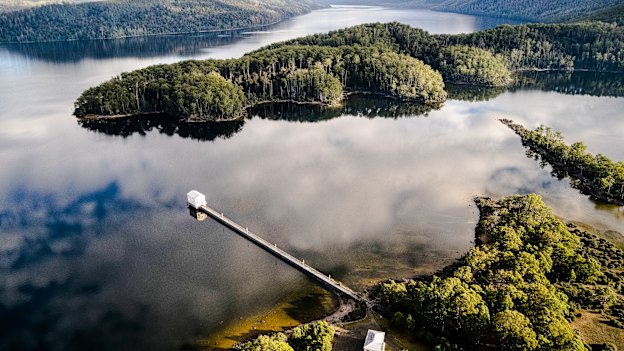
There are many lakes in the world – about 117 million of them, in fact – and they range from tiny tarns to inland seas, and from lively and crowded to wild and remote.
In Australia, albeit the driest continent, there are an estimated 11,400 natural and large artificial lakes. That actually places Down Under in the top 10 countries in respect to the number of lakes.
Wherever you encounter them, some lakes are good to simply admire, while others beg to be paddled on, swum in, walked around or cruised across. It’s a tough call, but here are our choices of the best, plus five more closer to home.
BEST FOR A TOUCH OF CLASS
Lake Maggiore, Italy & Switzerland
Sign up for the Traveller Deals newsletter
Get exclusive travel deals delivered straight to your inbox. Sign up now.
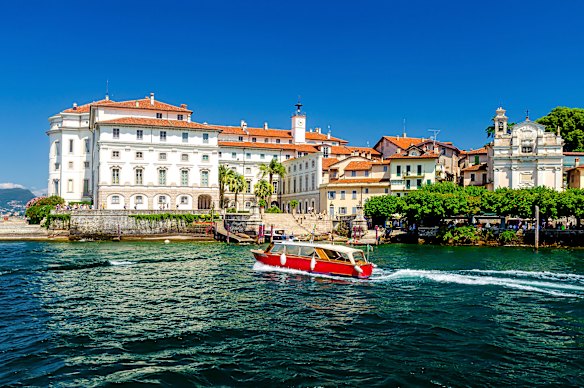
Mamma mia. How to choose between the Italian lakes? Garda is the biggest. Como the most glamorous. But Maggiore, less crowded than both, ticks the most boxes. It combines Italian and Swiss cultures, and Mediterranean and Alpine vibes, thanks to its mountain backdrop and unique microclimate. There are opportunities for hiking, cycling, swimming and water sports, plus visits to the exquisite gardens and palaces of the Borromean Islands. It’s easy to combine with offbeat Lake Orta, too. See illagomaggiore.com
BEST FOR PALACES
Lake Pichola, India
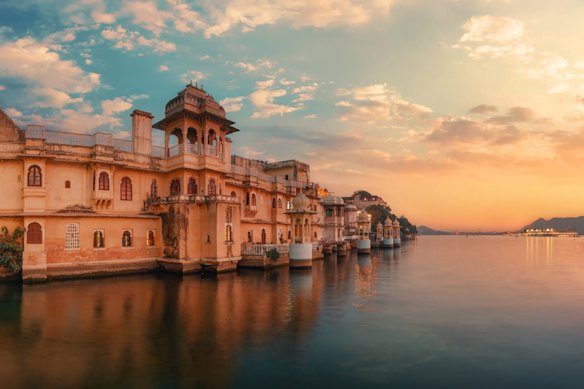
In Rajasthan’s desert-like conditions, it’s no wonder that Udaipur, which has several lakes, is associated with aristocratic pleasures. The landscape surrounding Lake Pichola is one of modest hills, and all eyes turn to the massive City Palace on the shoreline and the diminutive summer retreat (now a luxury hotel) on a tiny island. Another island, Jag Mandir, has a small yellow palace and bird-filled gardens. Meanwhile, from the romantic hilltop ruins of the Monsoon Palace outside town, you get fine views over lush scenery and several lakes. See incredibleindia.gov.in/en
BEST FOR CYCLING
Lake Constance, Germany, Austria and Switzerland
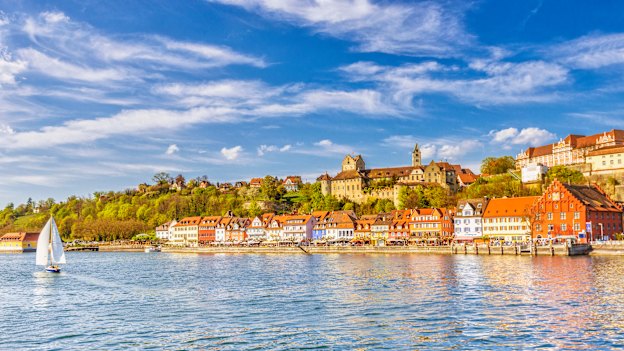
Constance is a constant source of delight. On the Rhine, flanked by three countries, it’s one of central Europe’s largest lakes, and it offers cultural variety and a bewitching Alpine backdrop. Particularly satisfying is completing a circuit by bike: a largely flat, largely off-road, 270-kilometre border-hopping cycle path loops the lake, taking in a succession of medieval towns – fairytale Meersburg, frescoed Stein am Rhein, island-set Lindau – as well as Bavarian wine villages, the Rhine Delta nature reserve, Zeppelin museums, spa resorts and chocolate shops. See bodensee.eu/en
BEST FOR SURPRISING SWIMS
Jellyfish Lake, Palau
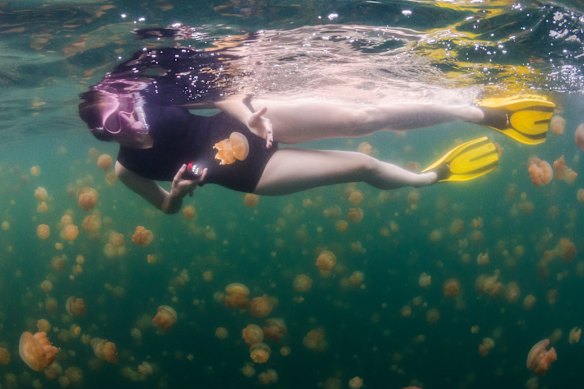
This almost fluorescent green saltwater lake in a limestone depression on uninhabited Eil Island in Palau, east of the Philippines, is home to millions of golden jellyfish that drift across the lake and back each day with the moving sun. You can’t swim without gently brushing your way through them (their stings are harmless to humans) and the experience among these silent coloured blobs is serene and otherworldly. There are many other jellyfish lakes in Palau, but only this one is readily accessible. See pristineparadisepalau.com
BEST FOR FOOD
Lake Saimaa, Finland
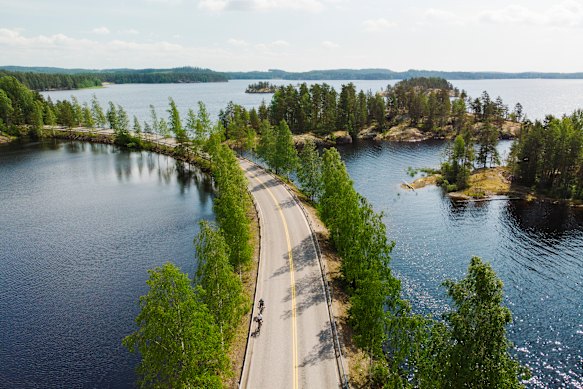
Finland is superbly soggy, with about 188,000 lakes. And Saimaa, which spills across a swath of the country’s aptly named Lakeland region, is biggest of all. Big enough, in fact, to contain 13,000 islands. Explore this immense archipelago by ferry, steamer, fishing boat, kayak or wild swimming; and look out for endangered Saimaa ringed seals and drool over the cabins at the water’s edge. Designated a European Region of Gastronomy, it’s also tasty – come to gorge on its wild berries and mushrooms, freshwater fish and locally reared meat. See visitfinland.com
BEST FOR SNORKELLING AND DIVING
Lake Malawi, Malawi, Tanzania & Mozambique
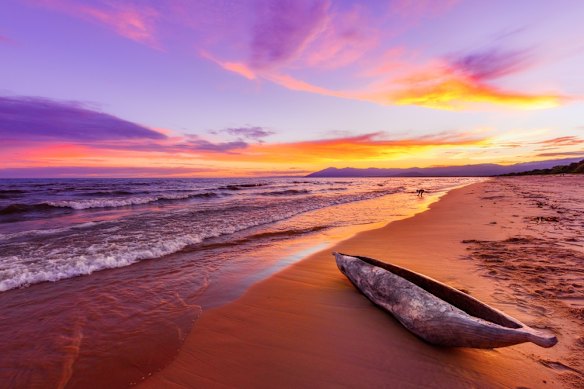
Lake Malawi is big – the ninth largest in the world – and beautiful, fringed by sandy beaches and lush hills. But it’s especially renowned for its clear waters and the extraordinary biodiversity teeming within: 1000-plus species of fish, including brightly coloured cichlids. Lake Malawi National Park, at the southern tip, was created to protect this aquatic abundance – a prime spot for diving and snorkelling. Or simply sit back and watch the sun glitter on what David Livingstone dubbed “the lake of stars”. See visitmalawi.mw
BEST FOR VILLAGE LIFE
Tonle Sap, Cambodia
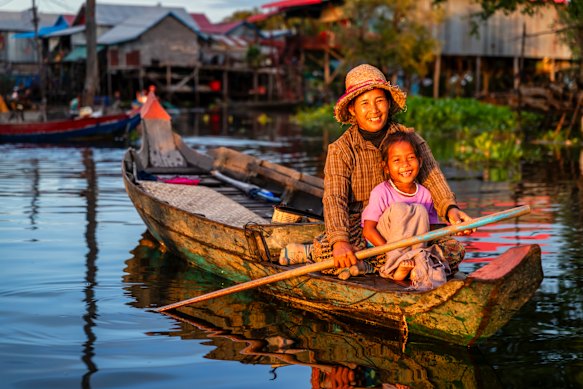
The Tonle Sap is a remarkable oddity. During the rainy season, a unique quirk of hydrology causes the bulging Mekong to reverse the flow of the Tonle Sap river, making its namesake lake expand five times in size. It’s a constantly changing ecosystem, and the lifeblood of local communities, which include floating villages, built on the water. For an immersive cultural experience, visit by boat or kayak in October or November, just after the wet, when the lake is most swollen and the villages most active. See tourismcambodia.com
BEST FOR HIGH DRAMA
Issyk-Kul, Kyrgyzstan
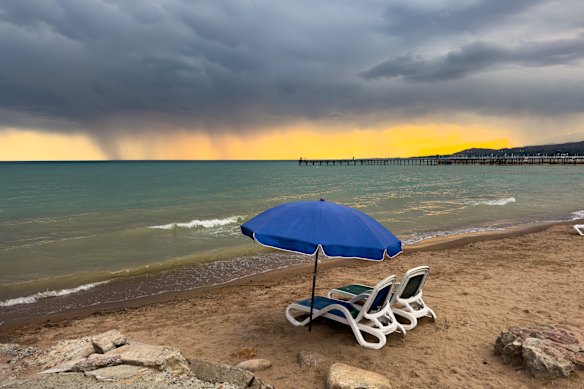
Issyk-Kul teeters about 1600 metres above sea level, encircled by pine forests, sweeping beaches and semi-desert steppe, with the snow-dusted Tian Shan rising behind. Head to the quieter south shore to see mirror-like reflections of the mighty range. This vast alpine lake rarely freezes because of its high salinity. Indeed, its name means “warm lake”, and in summer, it can reach 25 degrees – great for stand-up paddleboarding and wild swimming. Make a loop by four-wheel drive and overnight like a Kyrgyz nomad in a lakeside yurt.
BEST FOR INDIGENOUS CULTURE
Lake Titicaca, Peru & Bolivia
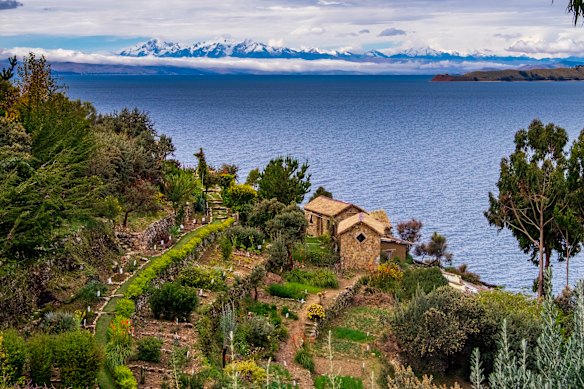
Glinting an almost impossible shade of blue in the thin, Andean air, 3811 metres high, Titicaca is the world’s loftiest navigable lake – a literally breathtaking sight. It’s a significant cultural one, too. The sun god’s offspring allegedly emerged from Titicaca’s depths to found the Inca Empire. Plus the lake is dotted with islands and peninsulas that are home to indigenous communities. Homestays can be arranged in the little-visited village of Luquina Chico, in the textile-weaving island of Taquile, and even atop the floating reed islands of Uros. See laketiticaca.com
BEST FOR HIKING
Lake Waikaremoana, New Zealand
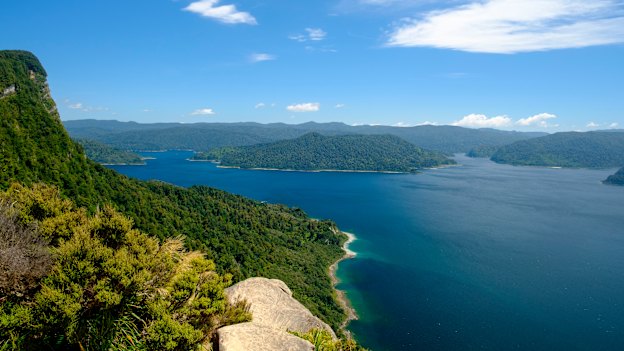
New Zealand is home to almost 4000 lakes with Lake Waikaremoana, set within North Island’s Te Urewera, a rugged rainforest, bearing a unique distinction. It was in 2014 that it became the first ecosystem to be granted the same legal rights as a person. Manuhiri (visitors) to this back country lake and its surrounding richly wooded hills are asked to do so with respect. The best option is to hike via the 47-kilometre Lake Waikaremoana Track, one of New Zealand’s official Great Walks, which starts or ends with a water taxi, partly hugging the shore and topping Panekire Bluff for magical lake views. See newzealand.com
BEST FOR MOUNTAIN MAJESTY
Maligne Lake, Canada
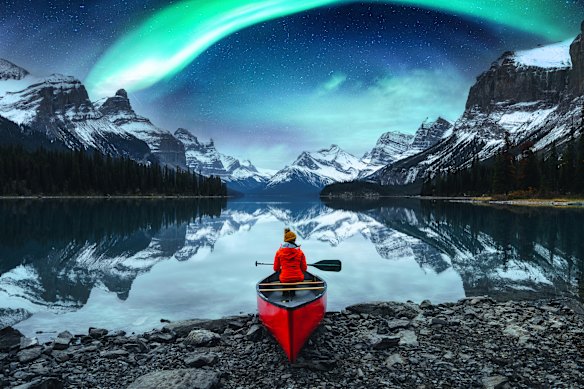
Lake lovers are spoiled in Canada – it has more than 2 million. Lake Louise may be better known, but Maligne, set deep within Jasper National Park and first seen by outsiders only as recently as 1907, feels genuinely wild. There’s no development on the water’s edge. Drive in along Maligne Lake Road, one of the best wildlife corridors in the Rockies, and then set off by cruise or kayak from the boat house for sacred Spirit Island and one of Canada’s most iconic views. See canada.ca
BEST FOR POSTCARD PERFECTION
Black Dragon Pool, China
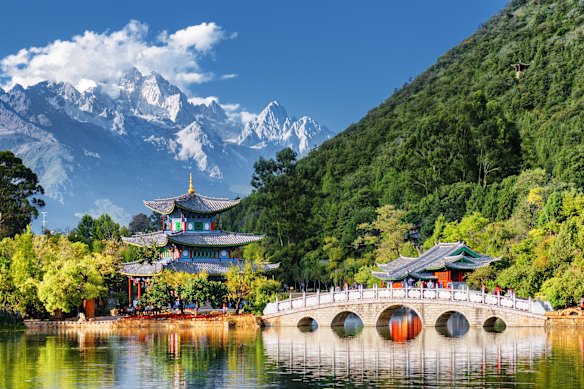
This modest lake in Lijiang, in China’s south-west Yunnan Province, brings to life all those scenes you see in scrolls and on Wedgewood plates. The lake’s Moon-Embracing Pavilion sits in a park of monastic buildings, weeping willows, ancient plum and cedar trees and humpback bridges, all backed by the Jade Dragon Snow Mountains. A maple forest adds autumnal fire. Nearby Lijiang town is a bonus for its alpine old town, a traditional home of the Naxi minority. See destinationlijiang.com/en/
BEST FOR A BIRD’S-EYE VIEW
Lake Annecy, France
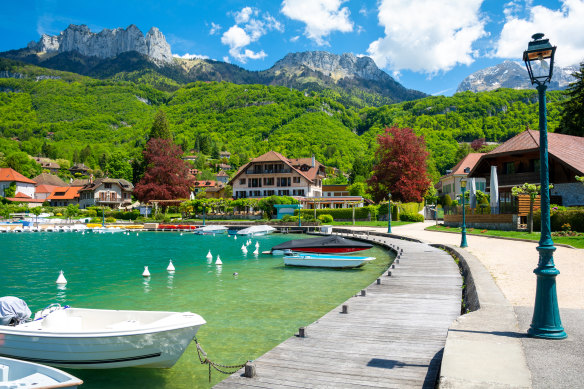
Fly into Geneva and you get your first glimpse of Lake Annecy, embedded like a sapphire in the snow peaks of the French Alps. While jigsaw-pretty Annecy town is rightly celebrated for its medieval town and flower-filled promenades, a 42-kilometre circuit of this gin-clear, fish-flitted lake brings you to many splendid vantage points. The daring shouldn’t miss trialling hang-gliding or paragliding from Col de la Forclaz, which makes you feel as if you’re an angel inspecting heaven. See en.lac-annecy.com
BEST FOR WELLNESS
Lake Balaton, Hungary
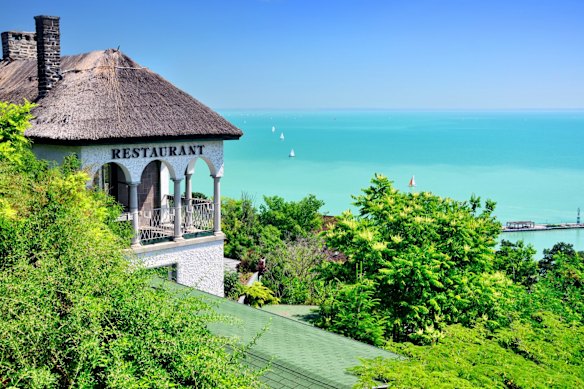
Most travellers encounter Hungary’s bathhouse culture in Budapest, but Lake Balaton nearby has hot springs, too, first used by the ancient Romans. Wellness retreats abound. This large lake shimmers milky blue and is surrounded by pleasant, 19th century towns and crumbling castles. Views from Szigliget Castle are worth the hilltop hike. To add to your relaxation, vineyards on the northern shore produce fine white wines. An additional small thermal lake at Heviz has a sulphurous, warm embrace and a town devoted to wellness remedies. See visithungary.com
BEST FOR CLASSIC VIEWS
Fuji Five Lakes, Japan
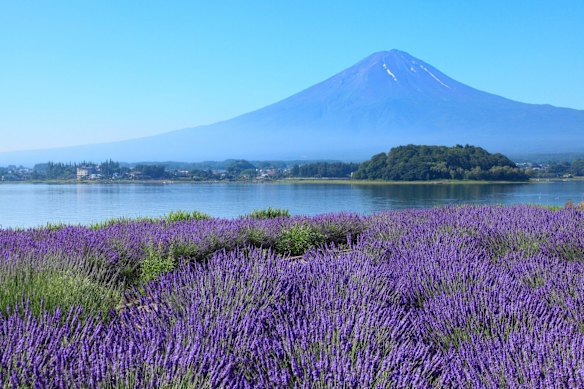
Yes, you get five lakes, with easily accessible Kawaguchiko the most visited but others remaining largely unbothered by tourist infrastructure, and offering excellent hiking. The lakes have a tranquil if unremarkable prettiness, but the views of the 3776-metre Mount Fuji are brilliant, as are its reflections in the water. Kawaguchiko adds springtime cherry-blossoms for the perfect woodblock scene. Bat caves, ice caves, farming villages and an art museum are other attractions. See japan.travel/en/au/
BEST FOR WILDLIFE
Lake Nakuru, Kenya
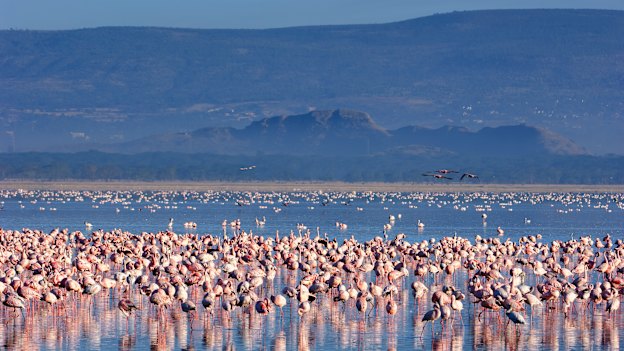
Lakes are a magnet for birds and mammals, and yes, we must admit, insects, too. Hard to beat this lake in the Rift Valley edged by escarpment and acacia forest, where lions, leopards, rhinos and giraffes come to drink. Huge flocks of flamingos attracted to the algae-rich waters are the most flamboyant sight, although numbers have been declining. Baboon Cliffs provide the classic viewpoint over the lake, but the baboons can be aggressive pests. See kws.go.ke
BEST FOR A WINTER WONDERLAND
Lakes Bled and Bohinj, Slovenia
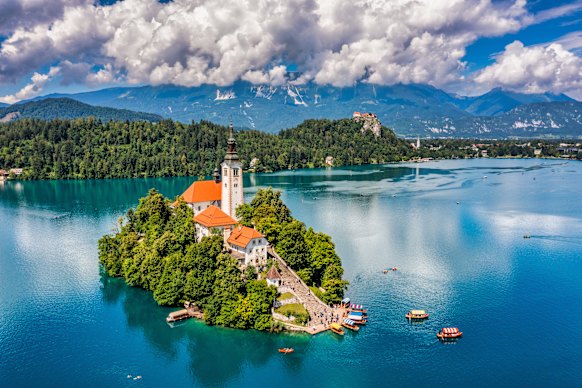
We tend to associate lakes with summery days but get into the Julian Alps in winter, and you’ll feel like you’ve stepped into a snowdome. Lake Bled is ringed in snowy mountains and overlooked by a clifftop castle. The island Church of the Assumption appears to float like an iceberg. If the water isn’t frozen, take a ride on a traditional wooden boat rowed from the rear with a long oar. Close by, Lake Bohinj in Triglav National Park has 70 kilometres of groomed cross-country ski trails. See slovenia.info/en
BEST FOR CRUISING
Lake Huron, Canada & US
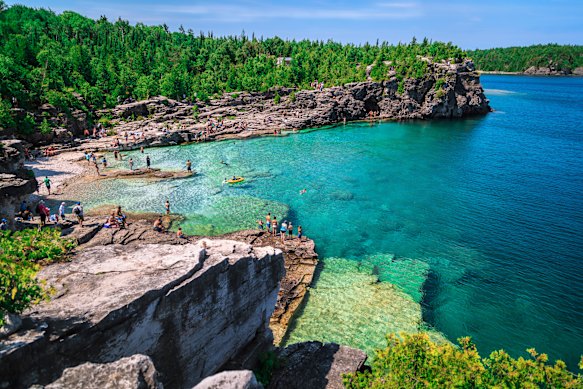
There are lakes, and then there are North America’s five Great Lakes, interconnected reservoirs so vast they feel like seas – perfect for multi-day cruising. Border-straddling Lake Huron stands out with its pristine deep-blue waters, less-developed shores, strong conservation focus and abundance of islands. Indeed, Huron is home to the 30,000 islands of the Georgian Bay Biosphere, the world’s largest freshwater archipelago, a playground of pink-granite outcrops, sandy beaches, dense forests and rich Anishinabek history, plus possibilities for spotting otters, moose, bald eagles and black bears. See michigan.org; huronshores.ca
BEST FOR POETIC SOULS
Lake District, England
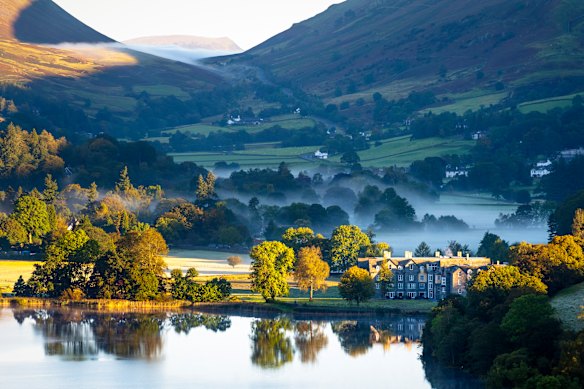
You’re spoiled for lakes in England’s north-west Lake District, which isn’t just lovely for its patchwork fields and green hills, but supplemented by its literary connections, particularly to Romantic poet William Wordsworth and children’s author Beatrix Potter, whose houses you can visit. The ribbon of Windamere Lake is attractive but busy; Wastwater is dramatic and more remote. Ullswater is perhaps the most beautiful lake, thanks to its glacial landscape and moody light. You decide: the region is crisscrossed with scenic hiking trails. See visitlakedistrict.com
BEST FOR SALTINESS
Great Salt Lake, US
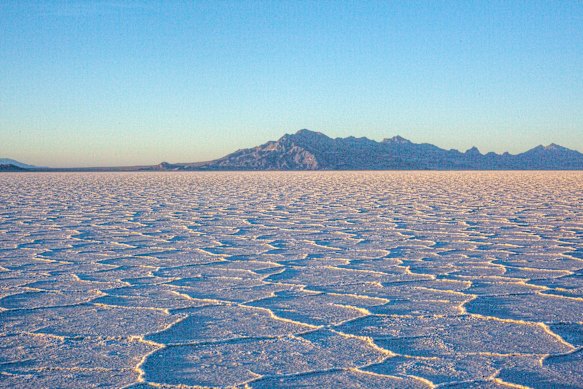
We’ve all heard of Salt Lake City, but has anyone made the connection to an actual salt lake? The enormous Great Salt Lake is only 30 minutes from town and has outstanding hiking and biking trails, plus the opportunity to wade in and stay effortlessly afloat thanks to the buoyancy of its high salinity. Stay for the incredible sunsets that supplement the lake’s daily changing colours. In April-May, migrating birds are a great spectacle. See visitsaltlake.com
This is an expanded version of a feature which originally appeared in the Telegraph, UK, newspaper.
Five Australian lakes worth a visit
Kati Thanda-Lake Eyre, SA
For ephemerality
Most of the time, this is an eye-scrunching saltpan that extends to the far horizon, but every few years after flooding rains, it becomes a magical realm of pink and orange shallows frequented by birds. On a scenic flight, its channels and floodplains are a magnificent contrast to the desert covered in wildflowers. See southaustralia.com
Lake St Clair, Tas
For bushwalking
This ancient, glacier-carved lake in the Tasmanian Wilderness World Heritage Area is Australia’s deepest, but also arguably its most tranquil. The zen beauty of its rocks, forest reflections and smudged blue hills is showcased from walking paths and the end of the Overland Track. Look out for platypuses, wombats and quolls. See discovertasmania.com.au
Lake Mackenzie (Boorangoora), Qld
For purity
This perched lake on K’gari-Fraser Island is really a giant puddle, fed only by rain. The result is crystal-clear water emphasised by the lake bottom’s pure white silica sand. Its impact is heightened because Boorangoora is hidden by scribbly gums from the access track until a sudden reveal. The neon-and ink-blue colours are stunning. Bring your swimmers. See visitfrasercoast.com
Lake Burley Griffin, ACT
For urban pleasures
It’s artificial and urban, but don’t dismiss this Canberra showcase, which has a 40-kilometre lakeshore sprinkled with parks and serviced by cycling and walking tracks along which stand numerous iconic buildings such as the National Museum and High Court. You can boat, paddleboard and fish, and admire the lake from a hot-air balloon. See visitcanberra.com.au
Hutt Lagoon, WA
For colour
Of Australia’s several pink lakes, this saltwater beauty south of Kalbarri is particularly striking because it sometimes turns red or purple depending on the season or time of day, particularly towards sunset. Despite its name, this is a saltwater lake fed by springs, separated by dunes from the contrasting blue ocean. See westernaustralia.com
Disclaimer : This story is auto aggregated by a computer programme and has not been created or edited by DOWNTHENEWS. Publisher: www.smh.com.au




