PhotoEspaña, Spain’s leading festival of photography, held its official opening in Madrid this month and by September nearly 100 exhibitions will have showcased the work of more than 300 visual artists in the capital and across the country. Loosely corralled under the theme of reimagining, the exhibitions feature work by major figures in Spanish and international photography and less well-known emerging artists.
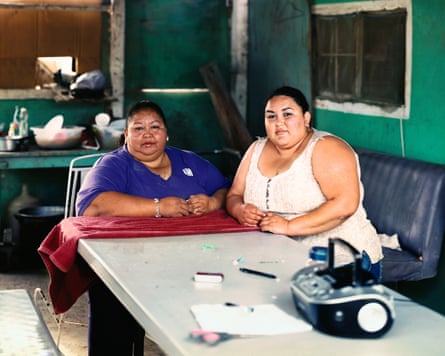
Fundación Mapfre hosts an expansive overview of the career of the Mexican photographer Alejandro Cartagena, including three series he produced focusing on the effects and meaning of the US-Mexico border: Invisible Line, Between Borders and Los Americanos.
Of the border wall he says: “It’s potent, it shows its power all the time. Wherever you look, there’s these jagged lines or these massive concrete walls that are cutting and showing that we are different. They are from the north, we are from the south and the cultures don’t mix. There’s this obsession with being separate, being two different cultures.”
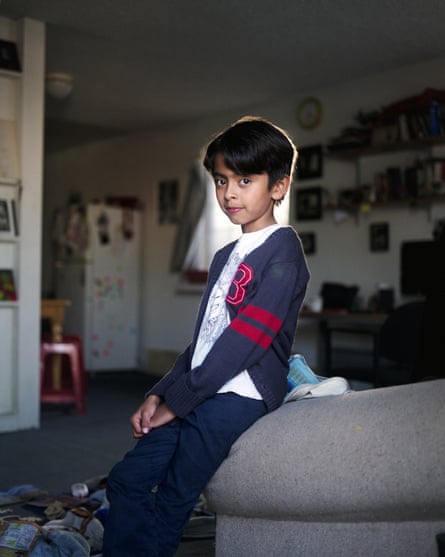
The effects of separation can be devastating. “One of the interesting or more poignant things of this experience was how the border, the wall, basically dissolves the idea of identity and personhood,” Cartagena says.
“And I’m iterating on the same idea. Who am I? Who are the people that live around me? Who are we as Mexicans? Who are we as Americans? And this physicality of the wall basically erases us and we become generic, we become no one.”
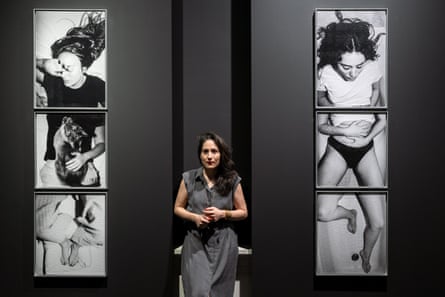
Seven life-size portraits by Laia Abril are installed in an intimate show at the Museo del Romanticismo exploring the debilitating effects of endometriosis. Her subjects, six women and a trans man, were photographed in the postures they adopt to manage their pain.
“The idea was to visualise in real size”, she says. “Their bodies in moments of pain, but also they were showing us what are the different positions they take when they try to have relief from that pain.” Abril’s portraits are taken from above in a reference to the almost out-of-body experiences she endures while coping with her own pain.
The triptych presentation is a further nod to the physical effects of the condition. “It’s kind of a fight between our body helping us to be resilient and fighting the pain, but also our body needs to be disconnected because it’s carrying a lot of pain.”
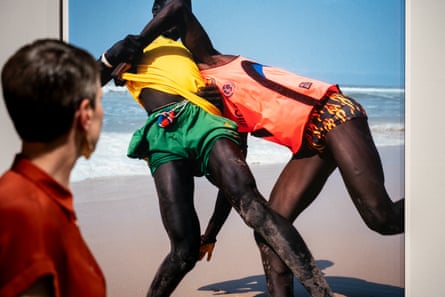
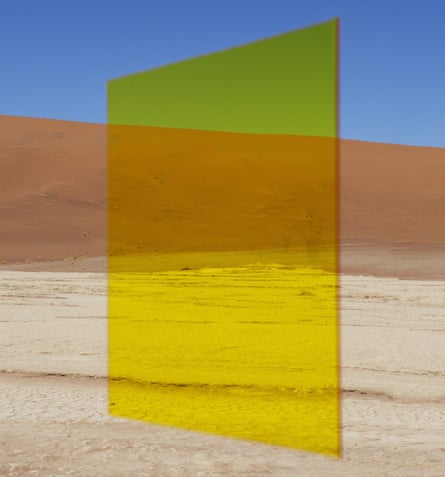

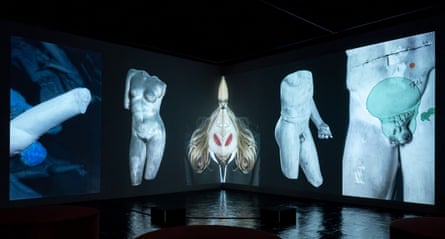
Lux and Umbra, a retrospective of the work of the Dutch photographer Viviane Sassen at the Fernán Gómez centre, explores a career marked by a restless eclecticism. A childhood in Kenya and an interest in fashion design and art history with particular reference to surrealism all inform a visual language that defies easy categorisation.
If certain themes, including death, sexuality and mourning, recur, they do so on strictly ambiguous terms. Even the umbra, or shadow, of the show’s title has various meanings, appearing in her work as abstract or representational, staged or natural, literal or metaphorical.
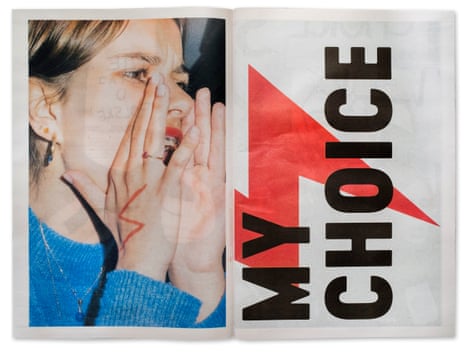
The Polish photographer Rafal Milach’s strident exhibition at Circulo de Bellas Artes explores the disruptive potential of an engaged documentary practice committed to outflanking traditional patterns of spectatorship.
Avowing that “protest photography is quite boring visually, it always looks the same”, Milach directs his energies towards making work accessible to new audiences via the Archive of Public Protests, a platform for his and others’ photographs addressing social and political tensions in Poland and eastern Europe. Banners, murals and free newspapers feature in the exhibition, promoted as means of strengthening solidarity networks and encouraging opposition.
PhotoEspaña takes its theme from Reimagining, a diverse group show of 13 accomplished projects by photographers exploring varied approaches to their subjects and their medium.
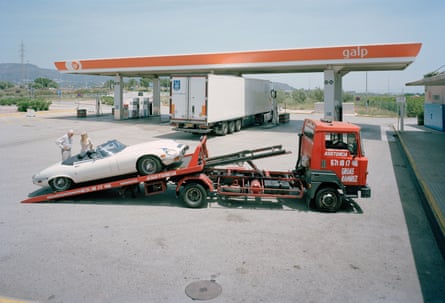
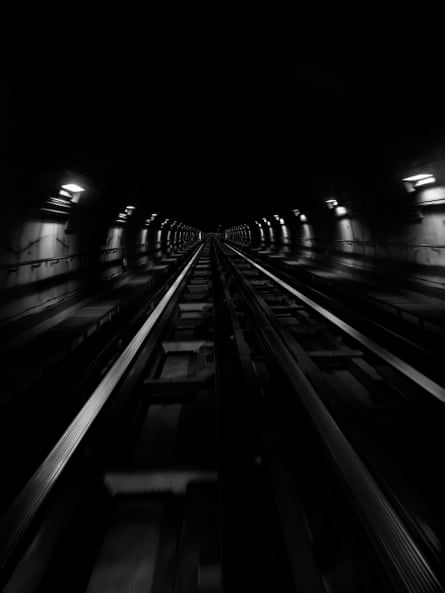
Among them, Txema Salvans takes a caustic look at life on the road, no longer a symbol of prosperity and expansion, in his Wreckage of a Catastrophe series.
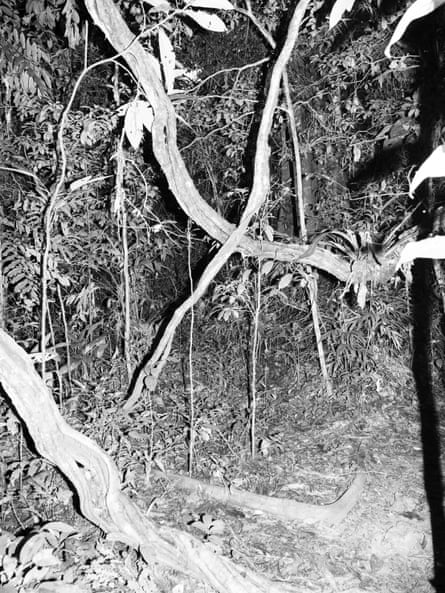
Jon Gorospe’s The Grid uses video and audio to examine the environments and routines of commuting. Aleix Plademunt displays more than 120 black-and-white photographs to evoke a colonial gaze and its narrowed focus on rubber trees in the Peruvian rainforest.
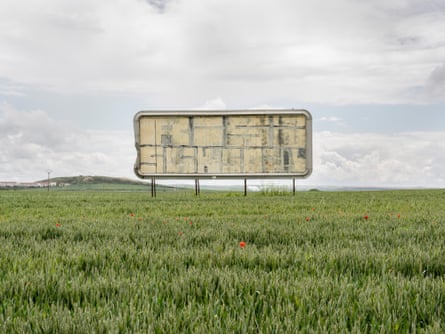
And Eduardo Nave, describing his Espacio Disponible series as “the opposite of Times Square,” photographs empty and rusting billboards that advertise their own obsolescence and the transition to the digital era.
Two exhibitions pay homage to canonical photobooks, one from the 1980s, the other from the fifties: Richard Avedon. In the American West, 1979-1984 at Fundación Mapfre, and Robert Frank and The Americans at Espacio Fundación Telefónica.
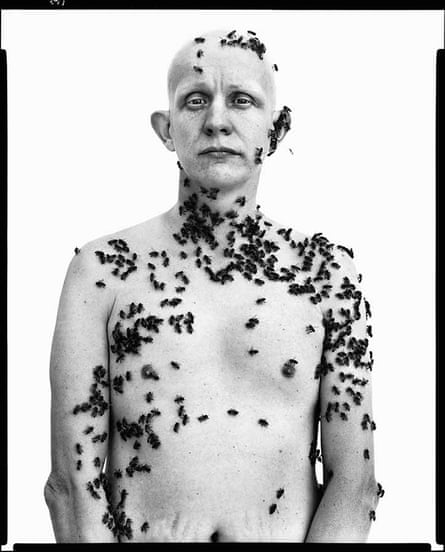
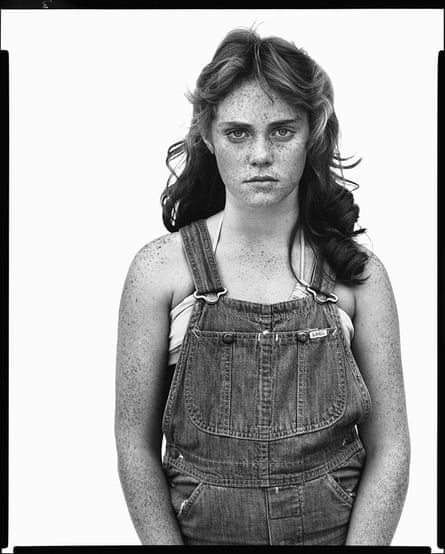
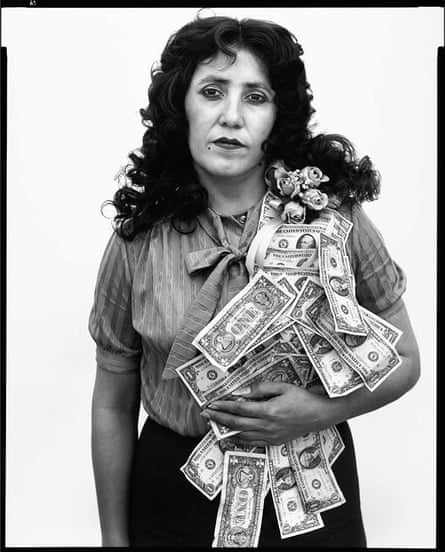
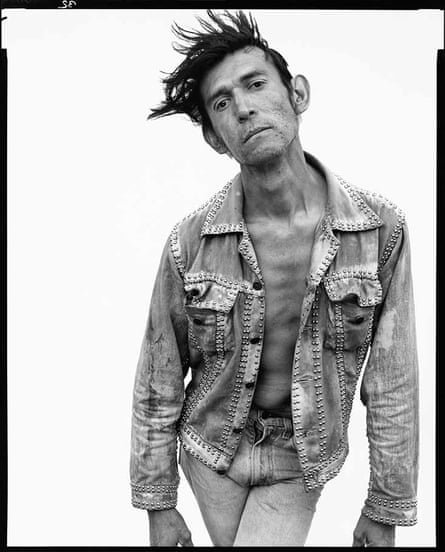
Avedon travelled with a team of assistants, a large format camera and a backdrop. He could take up to two days – in the case of beekeeper Ronald Fischer – to complete a portrait. Frank preferred to arrive unannounced, Leica 35mm in hand, work swiftly and move on.
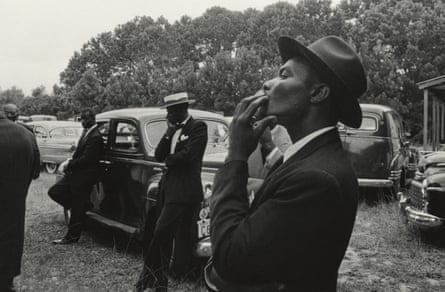
Differences aside, certain similarities remain: both projects achieved their fullest expression in book form, and both have long been recognised as exemplary. Not least, and central to their enduring relevance, is the sense that both photographers testified to an American reality that no amount of rhetoric – of the Cold War fifties or Reaganite eighties – could disguise.
Guy Lane travelled to Madrid as a guest of PhotoEspaña
Disclaimer : This story is auto aggregated by a computer programme and has not been created or edited by DOWNTHENEWS. Publisher: theguardian.com