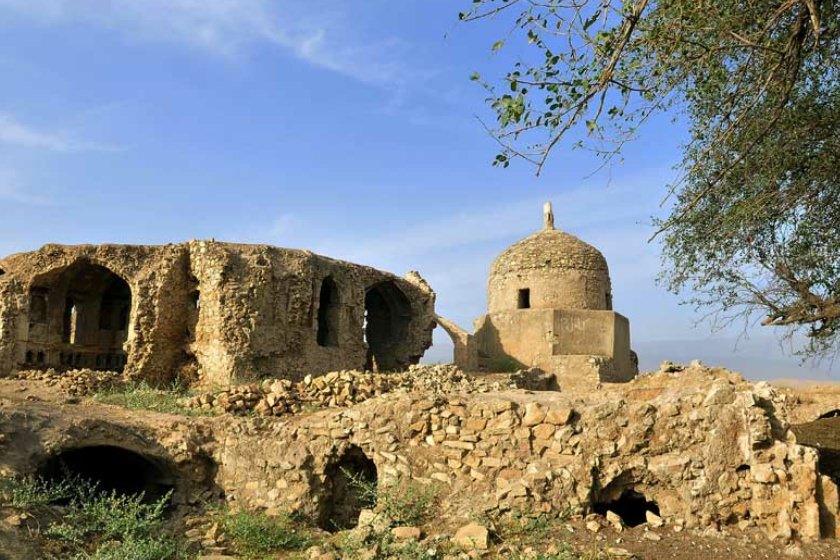
TEHRAN – Authorities in Iran’s southwestern Kohgiluyeh-Boyerahmad province have approved and issued a new comprehensive urban development plan for the city of Dehdasht after a 20-year delay, a move officials said would support tourism development and the preservation of the historic Belad-e Shapur district.
The plan establishes a framework for the city’s development over the coming decade while incorporating regulations aimed at protecting the historic fabric of Belad-e Shapur, one of Iran’s largest historical urban settlements.
Speaking at a meeting of the commission, Kohgiluyeh-Boyerahmad Governor General Yadollah Rahmani said the approval of the new plan ended a long wait for Dehdasht residents and provided a roadmap for sustainable urban development focused on preserving the area’s historical identity and promoting cultural tourism.
Rahmani said the preparation and approval of urban development plans had been among the province’s priorities and called for efforts to prevent lengthy delays in future revisions.
“Urban development plans should be updated in a timely manner so that cities can grow in line with contemporary needs,” he said.
He said the process leading to the approval of the Dehdasht plan reflected coordination among government agencies, including technical, infrastructure and cultural heritage authorities.
Rahmani called on Dehdasht municipality and the provincial Roads and Urban Development Department to implement the plan’s provisions.
Officials said the alignment of the new detailed urban plan with the protected boundaries and regulations governing the historic Belad-e Shapur district represented a significant development in the city’s planning process.
At the same meeting, the director general of Cultural Heritage, Tourism and Handicrafts for Kohgiluyeh-Boyerahmad province said the integration of heritage protection measures into the plan could facilitate private-sector investment in tourism projects, including traditional accommodation facilities and the restoration of caravanserais and historic buildings.
The official said the absence of an approved plan over the past two decades had created challenges for residents living near the historic district. “The new plan has been prepared in full compliance with cultural heritage regulations to preserve the nationally registered historic fabric of Belad-e Shapur while also improving urban services in neighboring areas,” the official said.
Belad-e Shapur, located in present-day Kohgiluyeh-Boyerahmad province, dates back to the reign of Shapur I, the second ruler of the Sassanid Empire. The ancient city is considered one of the most important surviving urban centers from the Sassanian period in southwestern Iran.
During Shapur I’s reign, the Sassanid Empire extended from the Caucasus and Central Asia to parts of the Arabian Peninsula and the Indus River region. The period saw major developments in architecture, craftsmanship, literature and rock relief sculpture across Iran.
In 2018, UNESCO inscribed the Sassanid Archaeological Landscape of Fars Region on its World Heritage List, recognizing a collection of archaeological sites associated with the Sassanid era.
In addition, the lavish Sassanian art touched upon rock-carved sculptures and bas-reliefs carved on abrupt limestone cliffs. Best examples can be traced at Bishapur, Naqsh-e Rostam, and Naqsh-e Rajab in southern Iran.
In 2018, the United Nations Educational, Scientific and Cultural Organization added an ensemble of Sassanian historical cities in southern Iran, titled “Sassanid Archaeological Landscape of Fars Region”, to its World Heritage list.
AM
Disclaimer : This story is auto aggregated by a computer programme and has not been created or edited by DOWNTHENEWS. Publisher: tehrantimes.com