
Urology patients were ‘seriously harmed’ due to systemic failures, report finds
-
Published
Systemic failures in the Southern Health Trust created “conditions in which patients were seriously harmed”, the chair of the Urology Services Inquiry has found.
Christine Smith KC said patients were badly let down, facing delays in diagnosis and treatment, including cancer care.
The inquiry was set up in 2020 following a series of Serious Adverse Incidents (SAIs) involving consultant urologist Aidan O’Brien in the trust.
Its report found that there were a number of factors which created significant risks to patient safety, including failures in management, leadership and governance.
In some cases this resulted in patients being seriously harmed, harm that could have been prevented.
Urology is a part of health care that deals with diseases of the male and female urinary tract including kidneys, bladder and urethra.
The problem first came to light in October 2020 when the records of more than 1,000 patients who were in the care of O’Brien were recalled at the Southern Trust.
The inquiry looked at O’Brien’s work at the trust between January 2019 and June 2020 and also focused on the Southern Trust’s handling of urology services before May 2020.
O’Brien is now retired.
The report sets out clear recommendations to strengthen leadership, governance and culture, and to ensure failures are not repeated.
The Urology Services Inquiry found that there was both a failure of individual responsibility as well as systemic failures.
While the report reviews O’Brien’s practice, it is scathing in how systems were managed, led and the lack of accountability from the health trust board.
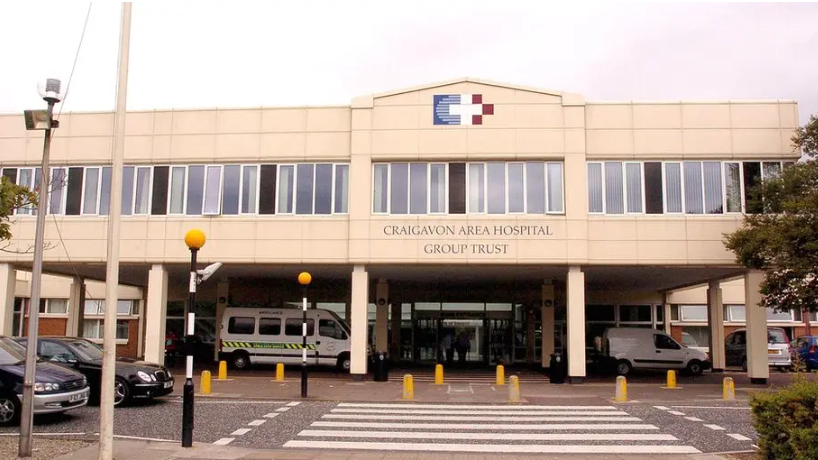 Image source, Pacemaker
Christine Smith KC said that O’Brien was a skilled surgeon “who did not set out to cause harm”, but the trust “failed to recognise that he was a doctor in difficulty and failed to manage him appropriately”.
The report said concerns about O’Brien’s practice were known for many years before 2016, including triage delays, record-keeping failures, storage of patients notes at home, delayed dictation, non-standard prescribing and other clinical and administrative concerns.
It said medical and operational management did not consistently recognise that issues labelled as ‘administrative’ could amount to significant patient safety risks.
It added that the prolonged failure to triage referrals properly created a clear risk that urgent cases, including cancer cases, would not be identified or escalated in time.
The inquiry also found that the trust ought to have recognised that O’Brien was at points a doctor in difficulty and managed him as such, with a formal support and improvement plan, rather than repeated tolerance of unsolved risk.
Key findings include:
-
Patients suffered serious harm, including failures in diagnosis, treatment and follow up
-
Repeated missed opportunities to act on a doctor in difficulty, with risks not addressed
-
Weak systems failed to identify and act on risk early
-
Systemic failures in governance, oversight, leadership, culture and Board accountability
Three core recommendations:
-
Patient safety must be primary purpose
-
Strengthen leadership
-
Improve use of data to identify and act on risk
Smith said the report is about patients who were “badly let down”.
“They faced delays in diagnosis and treatment including cancer care, poor communication and too often they were left without the clear high-quality, timely intervention they should have expected.
“The inquiry makes clear that the deeper causes were systemic.
“Weak governance, poor oversight, ineffective escalation, and underdeveloped leadership created the conditions in which patients were seriously harmed,” the chair added.
The inquiry did not determine criminal or civil liability or make findings on fitness to practice.
It examined how that harm occurred, why it was not fully recognised, and what changes are required to ensure safer care in the future.
It finished gathering evidence two years ago after hearing from 75 witnesses and receiving 650,000 pages of written evidence.
Aidan O’Brien was referred by the GMC for a hearing at the Medical Practitioners Tribunal Service (MPTS), for a tribunal to hear all the evidence, and make an independent decision about the doctor’s fitness to practise.
This process is still ongoing.
The inquiry recognised that improvements have been made since these issues came to light, including changes within the trust and wider work led by the Department of Health.
But it said it is clear that further, sustained and transformational change is required.
-
-
Published12 April 2024

-
-
-
Published8 November 2022
-
-
-
Published8 April 2024
-
Disclaimer : This story is auto aggregated by a computer programme and has not been created or edited by DOWNTHENEWS. Publisher: BBC