HOUSTON –
Japan advanced to the knockout stage of the World Cup after a 1-1 draw with Sweden on June 25, finishing second in Group F and setting up a Round of 32 clash with Brazil in Houston.
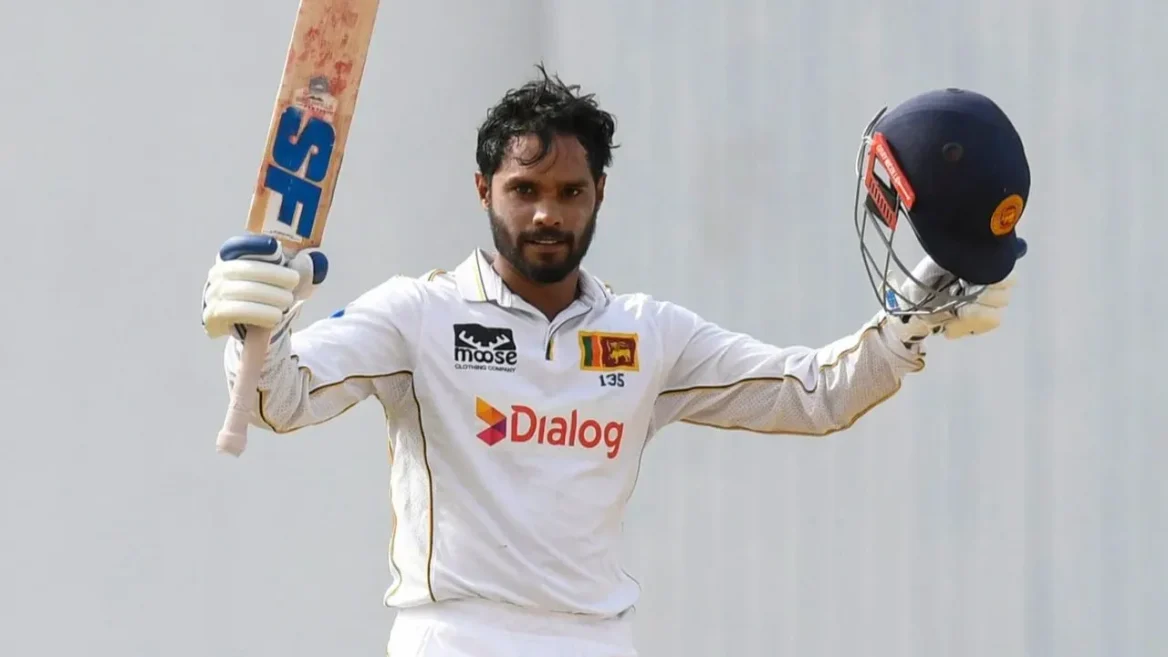
Daizen Maeda gave Japan the lead in the 56th minute after being released by Ritsu Doan, but Anthony Elanga equalized six minutes later with a left-footed strike from outside the area, leaving both teams with enough to continue their campaigns. Japan completed the group stage unbeaten with five points, while Sweden survived as one of the best third-placed teams after a tense final night in which the Netherlands beat Tunisia 3-1 to top the group.
For Japan, the result was less spectacular than the 4-0 win over Tunisia and less dramatic than the 2-2 opening draw with the Netherlands, but it may prove just as important. Hajime Moriyasu’s side entered the final group match knowing that a point would almost certainly protect their place in the knockout stage, while a win could have opened the door to first place depending on the Netherlands’ result. By full time, the equation had changed from ambition to survival: Japan had not won the group, but they had controlled the damage, avoided elimination pressure, and secured a place among the final 32.
The match was played at Dallas Stadium in Arlington, where the heat, the size of the venue and the weight of simultaneous group-stage drama gave the contest a different rhythm from Japan’s first two matches. Japan had shown attacking fluency earlier in the tournament, scoring twice against the Netherlands and four times against Tunisia, but Sweden presented a different problem. The Swedes were physically stronger, more direct and more desperate after following a 5-1 win over Tunisia with a 5-1 defeat to the Netherlands. Japan needed patience, speed and discipline, but above all they needed judgment.
The opening stages reflected that caution. Japan tried to move the ball quickly through midfield and create overloads in wide areas, while Sweden looked to use their size and pace to unsettle Japan’s back line. Neither side played with abandon. The shape of the group made the match dangerous for both teams: a defeat could have pushed Japan into a far less comfortable position, while Sweden knew that another heavy loss could end their tournament. The result was a contest full of tension rather than constant chances, with both teams aware that the difference between second place, third place and elimination could be decided by one lapse.
Japan’s best moments came when they found space between Sweden’s midfield and defensive line. Doan, one of Japan’s most reliable creative outlets, drifted into pockets where he could turn and play forward before Sweden’s defensive block had fully settled. Maeda’s movement gave Japan the vertical threat they needed. He pressed from the front, stretched Sweden’s center backs and repeatedly tried to attack the shoulder of the last defender. Even when Japan were not dominating territory, Maeda’s runs kept Sweden from pushing too high.
The breakthrough came early in the second half. Japan had begun to play with more conviction, moving the ball with greater speed and drawing Sweden’s midfield out of position. Doan found the gap, Maeda timed his run and Japan suddenly had the lead. The goal was typical of the version of Japan that has emerged under Moriyasu: compact without the ball, quick to accelerate after regaining possession, and capable of turning a half-opening into a decisive moment. It was not a goal built from long domination, but from timing, movement and precision.
For six minutes, Japan appeared to have one hand on a stronger finish to the group. Sweden, however, responded with the urgency of a team whose tournament was slipping away. Elanga, one of Sweden’s most dangerous players, cut in from the right and struck with his left foot from outside the penalty area, beating Zion Suzuki and bringing Sweden level in the 62nd minute. The equalizer changed the emotional temperature of the match. Japan had gone from chasing first place to protecting second. Sweden had gone from the edge of collapse to renewed belief.
From that point, the match became a test of Japan’s maturity. Earlier Japanese teams have often been praised for energy and technical ability but questioned over game management at the highest level. In Dallas, Moriyasu’s side showed a more pragmatic face. Japan still looked for openings when they appeared, but the substitutions and defensive posture suggested a clear priority: do not lose control, do not concede a second, and do not turn a qualifying position into a gamble.
Suzuki became central to that survival. The goalkeeper made several important interventions as Sweden pushed forward, including efforts to deny Alexander Isak, whose movement and aerial threat gave Japan problems late in the match. Isak nearly completed Sweden’s comeback when his header struck the bar, a moment that briefly threatened to turn Japan’s carefully managed draw into a damaging defeat. For all the attention on Maeda’s goal and Doan’s assist, Suzuki’s saves were just as important to Japan’s passage.
That balance between attack and restraint defined Japan’s night. The team that overwhelmed Tunisia with four goals was not fully visible against Sweden, but neither was Japan passive. Moriyasu’s side had enough ambition to score, enough flexibility to adjust after the equalizer and enough composure to withstand Sweden’s late pressure. It was not a statement victory, but World Cup knockout qualification often depends on results that are earned rather than admired.
Sweden’s role in the match should not be reduced to that of an obstacle. Graham Potter’s side had entered the tournament with attacking confidence after the opening rout of Tunisia, only to be badly exposed by the Netherlands. Against Japan, Sweden needed to show that the Dutch defeat had not broken their campaign. Elanga’s goal did that. Isak’s late chances did that. The draw gave Sweden four points, enough to move on through the expanded tournament format and extend a campaign that had swung wildly from promise to danger in the space of three matches.
The result also reflected the new structure of the 48-team World Cup. With 12 groups of four, the top two teams in each group advance along with the eight best third-placed sides. That format kept Sweden alive and gave the final round of Group F multiple layers of tension. Japan’s second-place finish gave them certainty. Sweden had to rely on the third-place route, but their four points were enough. Tunisia, beaten by the Netherlands on the same night, were eliminated.
Group F ultimately produced a clear hierarchy but not a simple story. The Netherlands finished first after recovering from their opening draw with Japan to beat Sweden and Tunisia. Japan finished second without losing, a mark of consistency that should not be undervalued. Sweden finished third after winning heavily, losing heavily and then drawing under pressure. Tunisia left the tournament after being unable to recover from the damage inflicted by Japan and Sweden earlier in the group.
Japan’s five-point total tells only part of the story. The opening 2-2 draw with the Netherlands showed that Japan could stand up to a major European opponent. The 4-0 win over Tunisia showed they could punish a weaker side with speed and clarity. The 1-1 draw with Sweden showed they could manage a result when the match became tight and uncomfortable. Together, those three performances produced an unbeaten group campaign and confirmed Japan’s place in the knockout round, but they also revealed the challenge ahead. Japan are difficult to beat, dangerous in transition and increasingly comfortable on the World Cup stage, but they are still searching for the complete performance that will carry them past one of the tournament’s elite teams.
That search now leads to Brazil. Japan will face the five-time world champions in Houston on June 29, a match that immediately changes the scale of the tournament for Moriyasu’s side. Brazil topped Group C and arrive with attacking rhythm, individual quality and the kind of knockout-stage pedigree that few nations can match. Japan have built their modern football identity on organization, pressing and technical speed, but Brazil will ask different questions. They will test Japan’s full backs, force Suzuki into more frequent action and demand that Japan’s midfield protect the ball under pressure far better than it did for stretches against Sweden.
Moriyasu has reason to believe Japan will not simply be a spectator in Houston. Japan have spent the past decade closing the gap on the world’s strongest teams, and recent results against major opponents have strengthened belief that the national team can compete with anyone on the right day. The draw with the Netherlands and the controlled win over Tunisia reinforced that progress. The Sweden match, though less convincing in attack, showed the kind of defensive discipline that knockout football often requires.
The Brazil match will also carry psychological weight. Japan have reached the knockout stage before, but the national team has long been chasing a deeper breakthrough. The country’s World Cup story is filled with near-misses, respectable exits and moments when a promising campaign ended just as expectations began to rise. This team has a chance to change that pattern, but the path could hardly be more demanding. Brazil are not merely the next opponent; they are the kind of opponent Japan must eventually beat if they are to move from consistent qualifier to genuine contender.
For Maeda, the Sweden goal adds another important chapter to a tournament in which Japan’s forward line has looked more varied and dangerous than in previous editions. His pressing remains one of his greatest strengths, but against Sweden he also delivered the finishing touch Japan needed. Doan’s assist underlined his importance as a creator capable of linking Japan’s midfield control with its attacking runs. Suzuki’s performance, meanwhile, will strengthen his standing after a match in which Japan’s goalkeeper was forced to become more than a last line of defense. He became a reason Japan left Dallas with the result they needed.
There are still questions for Moriyasu to answer. Japan’s game management after taking the lead will be scrutinized because Sweden were able to respond almost immediately. The equalizer came before Japan could fully settle into control, and the late header against the bar was a reminder that protecting a draw can become dangerous if the team drops too deep. Against Brazil, Japan may not be able to rely on narrow margins for long. If they score first, they will need to manage the next phase better. If they fall behind, they will need the courage and structure to chase the game without becoming exposed.
The midfield battle will be central to that challenge. Japan’s best football comes when they can compress space, win second balls and break quickly before the opponent’s defense is organized. Brazil will try to deny that rhythm by forcing Japan to defend deeper and by stretching the pitch with wide attackers. Moriyasu must decide whether to use the same controlled approach that protected the Sweden result or whether Japan need a more aggressive plan from the start. The answer may depend on how much he trusts Japan’s attacking players to hurt Brazil before Brazil’s individual quality takes over.
For Sweden, the draw was a rescue act. Potter’s side had been under pressure after the Netherlands defeat, and another poor performance could have ended the tournament with a sense of collapse. Instead, Sweden showed enough resilience to recover from Maeda’s goal and enough attacking threat to make Japan uncomfortable until the final whistle. Their route forward is less secure than Japan’s and their performances have been uneven, but the draw restored some credibility and kept their tournament alive.
For Japan, the night was more complicated. A draw that sends a team to the knockout stage should be celebrated, but there was also a sense of unfinished work. Japan were close to winning, close to being caught, and close to entering the next round with a more convincing statement. Instead, they left with something more modest but still valuable: qualification, experience and another test of their tournament temperament.
The most encouraging sign may be that Japan advanced without needing everything to go perfectly. They conceded twice against the Netherlands and still took a point. They dominated Tunisia and improved their goal difference. They lost a lead against Sweden and still protected the draw. Tournament football rarely rewards only the most fluent teams. It rewards those that can adjust, absorb pressure and understand the moment. Japan did that in Dallas.
The draw also gives Japanese football another chance to measure itself on the biggest stage. Moriyasu has repeatedly spoken of raising Japan’s level and proving that Asian football can challenge the traditional powers. A knockout match against Brazil is the clearest possible test of that ambition. It will require more than disciplined defending and quick transitions. It will require courage on the ball, sharper concentration after scoring or conceding, and the belief that Japan can impose parts of its own game even against one of football’s most decorated nations.
Japan left Dallas unbeaten, but not untouched. The 1-1 draw with Sweden showed both the maturity and the limits of Moriyasu’s side: capable of striking quickly, disciplined enough to protect a result, but still vulnerable to moments of individual quality and aerial danger. Against Brazil in Houston, Japan will need speed, structure and resilience in equal measure. The group stage proved Japan belong in the knockout round. The next match will show how far they can go.
Disclaimer : This story is auto aggregated by a computer programme and has not been created or edited by DOWNTHENEWS. Publisher: newsonjapan.com