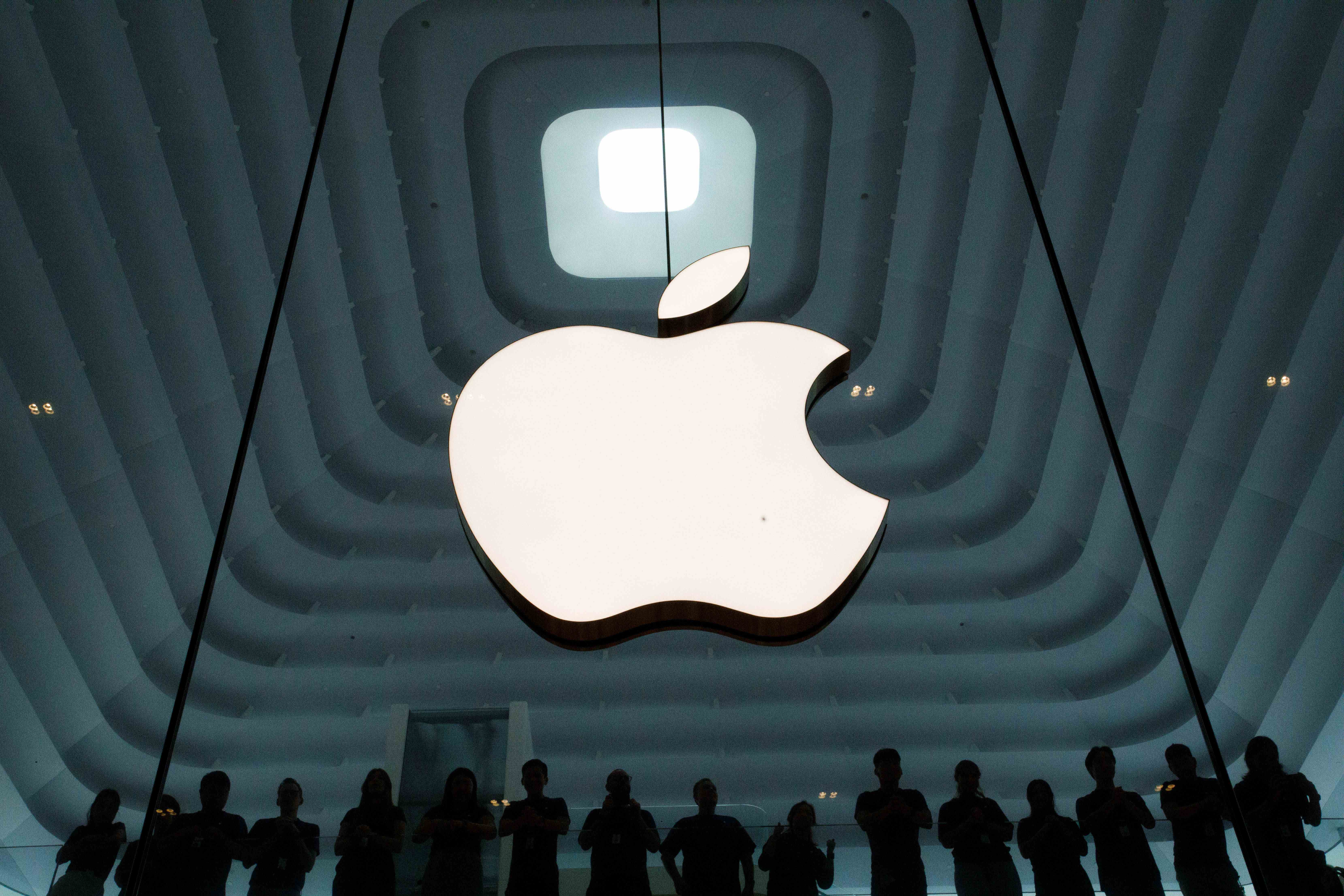
Apple has increased the starting prices of MacBook and iPad models by 20-42 per cent compared to their launch prices across the globe, including India, mainly due to higher memory chip costs.The new price list on Apple India’s website shows that the company has increased the price of the MacBook Pro built on the M5 series chip by about 20 per cent.
The price of the 14-inch MacBook Pro with the M5 Pro chip has been increased to Rs 2,99,900 apiece from the launch price of Rs 2,49,900 a unit.
There has been a sharp rise in the price of the iPad Air. The basic model in the 13-inch iPad Air has been increased by 41.22 per cent to Rs 1,19,900 apiece from Rs 84,900 a unit.
Counterpoint Research Co-founder and VP for Research, Neil Shah, said Apple’s price hikes for the MacBook Neo, MacBook Air, MacBook Pro, iPad Air, and iPad Pro Wi-Fi follow the biggest change in the cost structure of the consumer and enterprise PC and tablet market, being shaped by the rising semiconductor chip pricing from memory to processors.
Apple, in a statement, said that the consumer electronics industry is facing an unprecedented challenge.
“The rapid expansion of AI data centres has created an extraordinary surge in demand for memory and storage. We have never seen a component price increase this much, this quickly.
“We have shielded our customers from these increases so far, but we have now reached a point where we need to begin raising prices on a number of products, including today’s increases for iPad and Mac. We know this is not welcome news, and we are working tirelessly to find solutions,” the statement said.
Price increases for consumer electronics are already widespread across the industry, with many products rising by 40 per cent or more.
Memory companies have been allocating an increasing share of their production to AI data centres, leaving the consumer electronics segment with constrained availability and rising costs.
Memory suppliers are reporting margins at historic highs.
Memory chip leader Micron reported 86 per cent gross margins, up from 15 per cent in just the past year.
“Apple, long regarded as the industry’s benchmark for supply chain resilience, has begun passing higher component costs on to consumers. That is a strong signal that pricing pressures have reached a level that even the most sophisticated absorption strategies cannot fully offset,” CyberMedia Research, VP – Industry Research Group, Prabhu Ram said.
Shah said Apple held the price increase for at least two quarters, protecting its user base from any price inflation, but it has reached a point beyond which Apple could absorb the cost increase.
“The unprecedented AI infrastructure growth has changed the semiconductor supply chain, driving insatiable demand for DRAM, NAND and Compute chips, not matching up to the capacity to produce and supply to other markets as AI infrastructure is prioritised. We believe the situation is not going to be better at least for the next two years,” he said.
Shah said that the timing of the price increase is not ideal as Apple looks to push its revamped on-device Apple Intelligence later this year across devices demanding considerable memory and compute capabilities uplift.
“This could likely affect overall demand for Apple products in the coming months. However, this could also be a positive for Apple, especially for customers who are due for an update and want to buy a new Mac or iPad and can’t delay the purchase, they will not compromise by paying extra for a lower configuration, instead buy a more premium version of Apple’s portfolio. So, the market could shift towards the premium market as users look to get maximum value for the dollar spent,” Shah said.
Disclaimer : This story is auto aggregated by a computer programme and has not been created or edited by DOWNTHENEWS. Publisher: deccanchronicle.com