

Smuggler accepts most of his drugs mules ‘will get caught’
-
Published
Drugs gangs are flooding the north of England with cheap cannabis grown overseas and sold to mimic slickly marketed, legal marijuana from the United States, a BBC investigation has learned.
A thriving black market for “Cali weed” – high-potency strains originally cultivated in licensed dispensaries in California – has prompted an unprecedented wave of smuggling from dealers growing it in countries including Thailand.
One dealer boasted he made massive profits importing cannabis and described how he sent drug couriers from Thailand to the UK, even though he knew “most will get caught”.
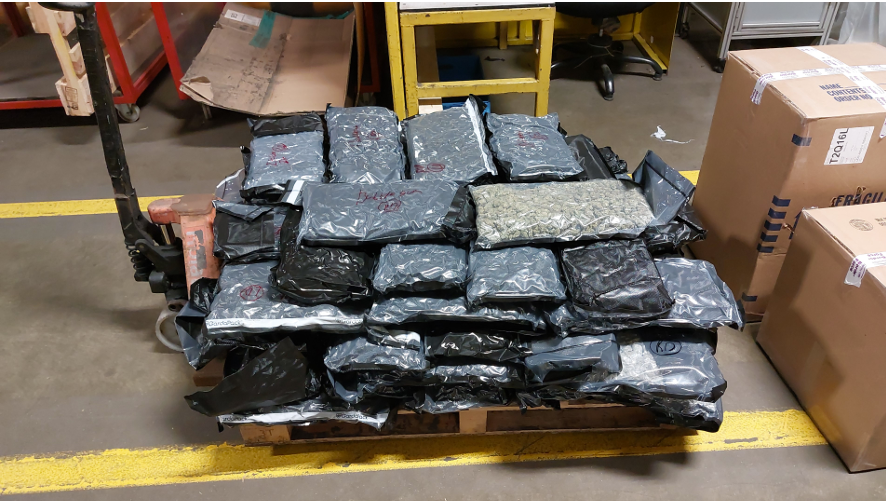
According to Home Office figures seen by the BBC, Border Force officials last year seized more than 167,000kg of herbal cannabis with an estimated street value of more than £2bn – the highest amount ever recorded and up 52% from 2024.
The haul – equivalent to two fully loaded large passenger jets – included 28 tonnes of cannabis flown in suitcases by 800 couriers who were arrested by the National Crime Agency (NCA).
Suppliers are running industrial-sized operations in parts of the world where laws governing the cultivation of cannabis have been relaxed – including Thailand, Canada and parts of the US – and illegally importing multiple-kilogram loads to the UK for “huge profits”.
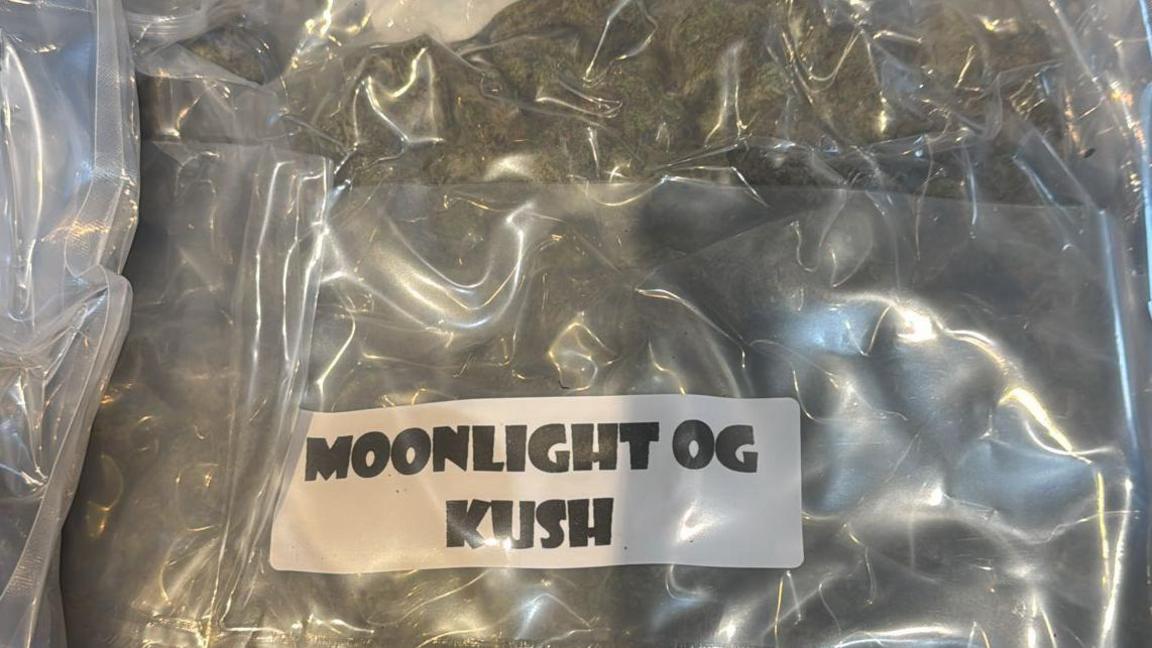
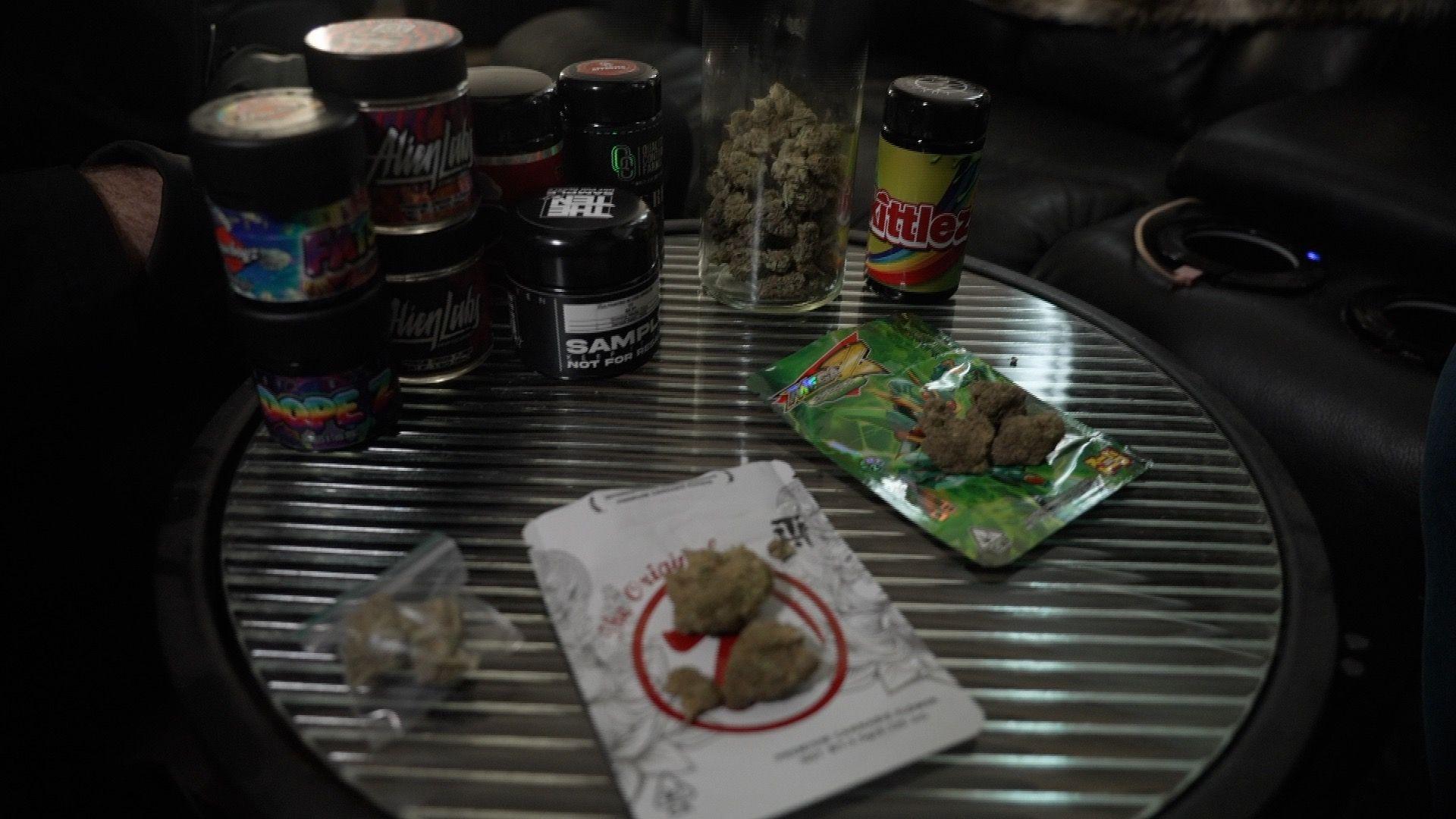
The Class B drug is flown in by “mules”, posted or shipped hidden in cargo and distributed to middle-level dealers who target young users on social media and encrypted apps with glossy “Cali packs” bearing names like “Gelato”, “Cali Cookies” and “Runtz”.
The NCA told the BBC it had seen a huge increase in profit-seeking gangs bringing in marijuana from overseas by exploiting laws around its production.
Health experts are linking “dangerous levels” of THC – the drug’s psychoactive ingredient – with a rise in cases of psychosis.
Psychiatrist Dr Marta di Forti, who led the UK’s biggest study on cannabis and psychosis, said: “I’m very concerned about the potency of cannabis on the streets right now.”
Police sources said the north-west of England was the UK’s principal distribution hub for both overseas and homegrown cannabis.
Home Office figures show the region saw the highest number of police seizures outside London.
Per head of population, the detection rate in Merseyside was higher than in any part of England or Wales in the year to March.
The NCA said four out of five cannabis seizures at UK airports came from Thailand, where legalisation in 2022 prompted a free-wheeling market and strong interest from British drug syndicates.
It had been hoped that attempts to tighten Thai laws by restricting cannabis to those with a doctor’s prescription and banning the drug’s recreational use would reduce the amount reaching the UK’s streets.
But the BBC has heard from British smuggling gangs still sending contraband to the UK – mimicking the sought after “Cali” product but growing it on the cheap in unlicensed conditions.
One trafficker told the BBC how he recruits Vietnamese farmers to grow the drug on idyllic Thai islands before smuggling it into Manchester, Liverpool and part of Yorkshire.
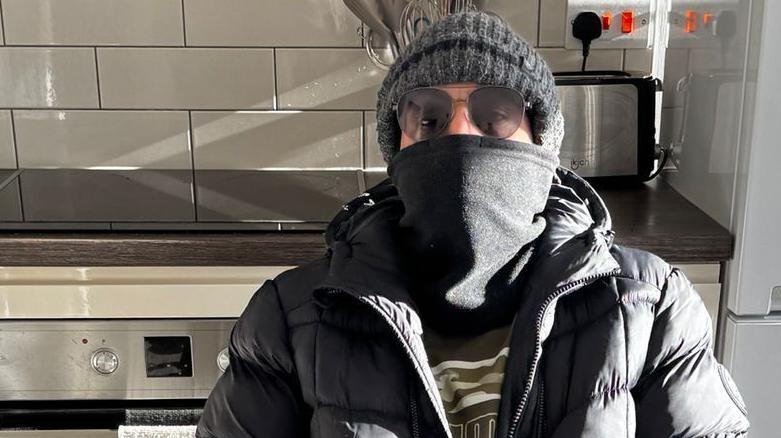
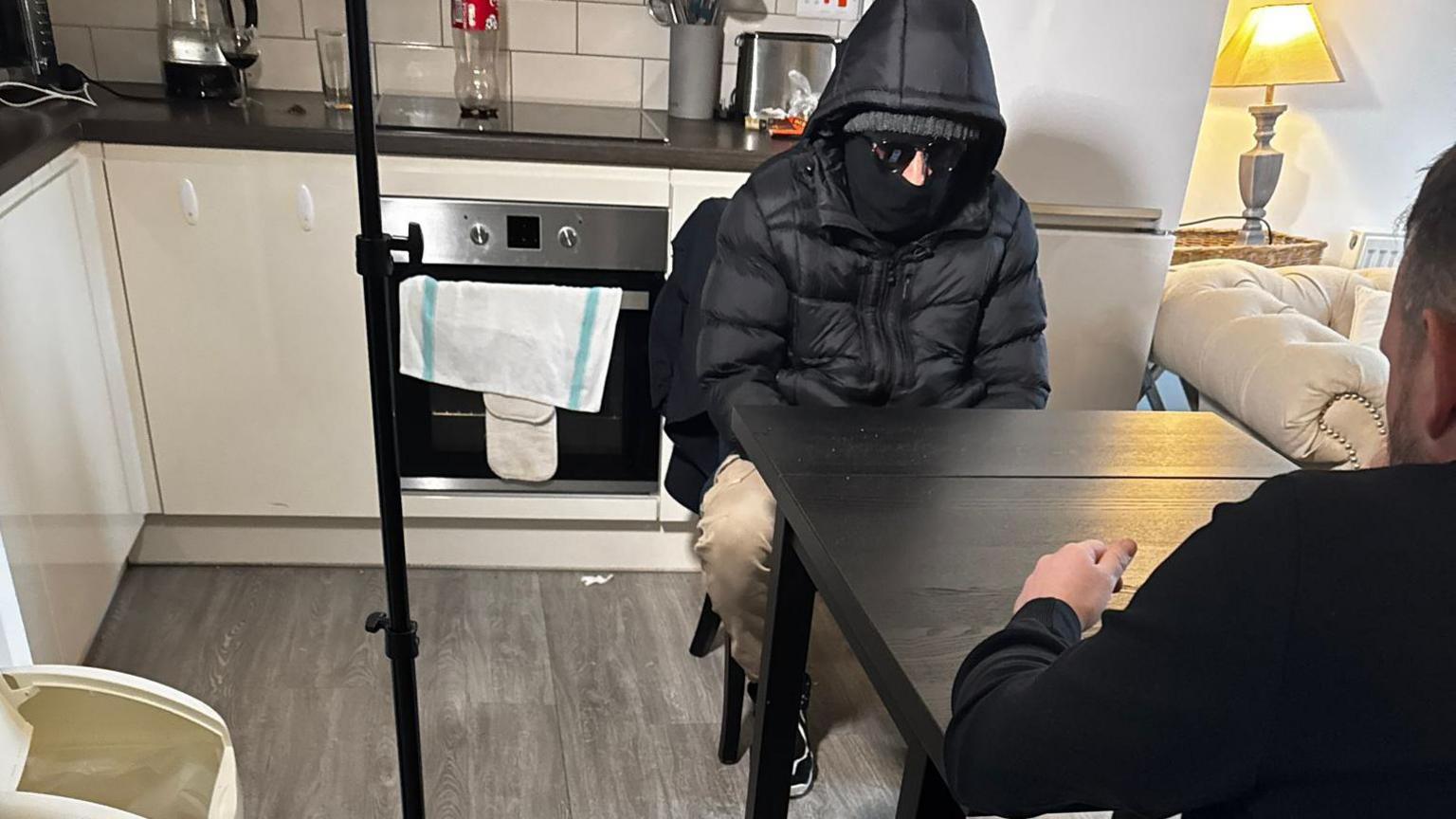
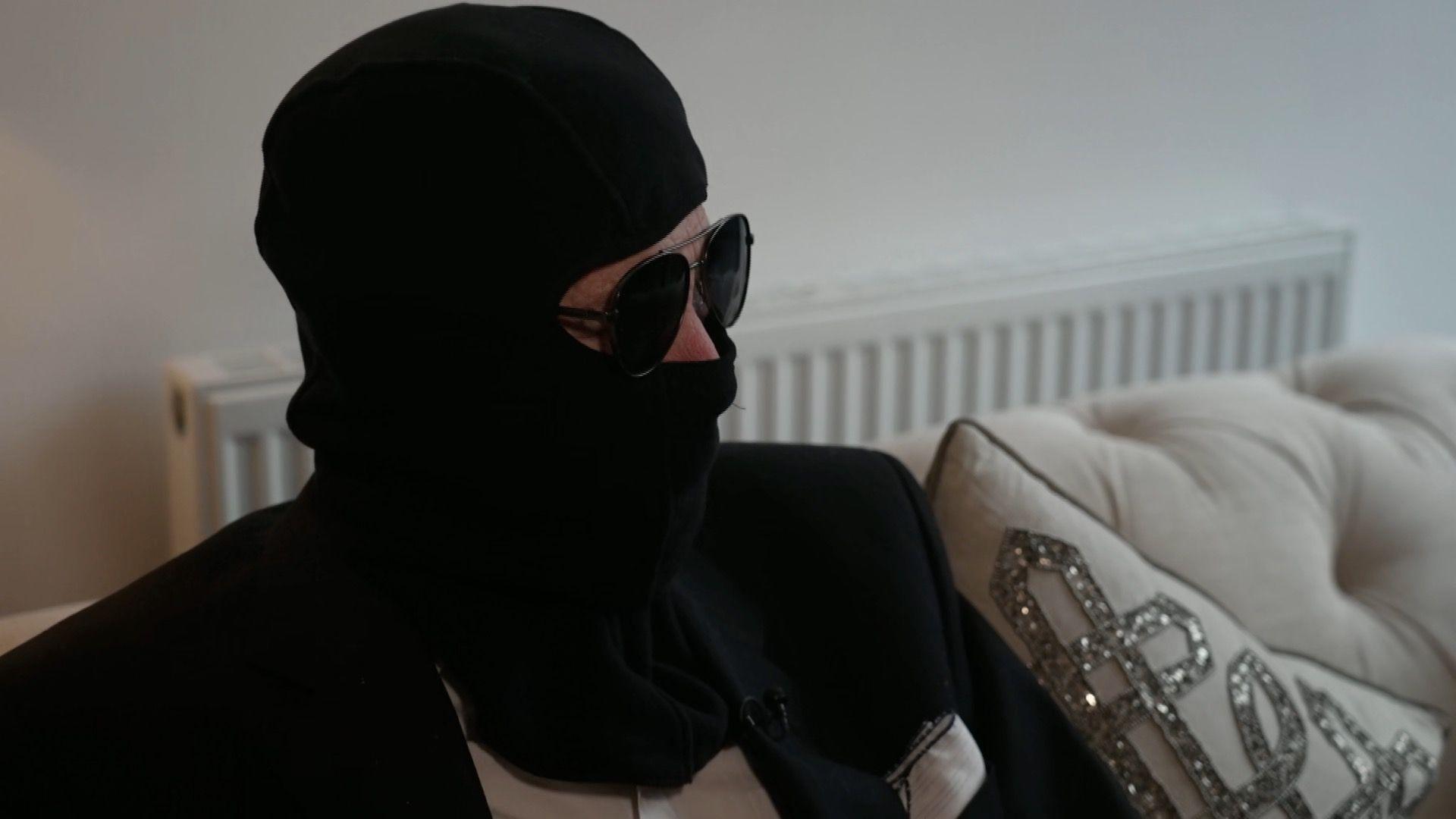
We met the British supplier, known in the underworld as a “plug”, at an undisclosed location in the north of England after being introduced by a source close to the UK drugs trade.
The drugs boss, who called himself “Zee”, told how he evaded new laws governing production in Thailand by bringing in local farmers.
He said he paid them the equivalent of about £100 for 10 days’ work but denied exploiting them.
He added: “It’s a career for them. They’re part of the team. I have a low staff turnover to keep profits high.”
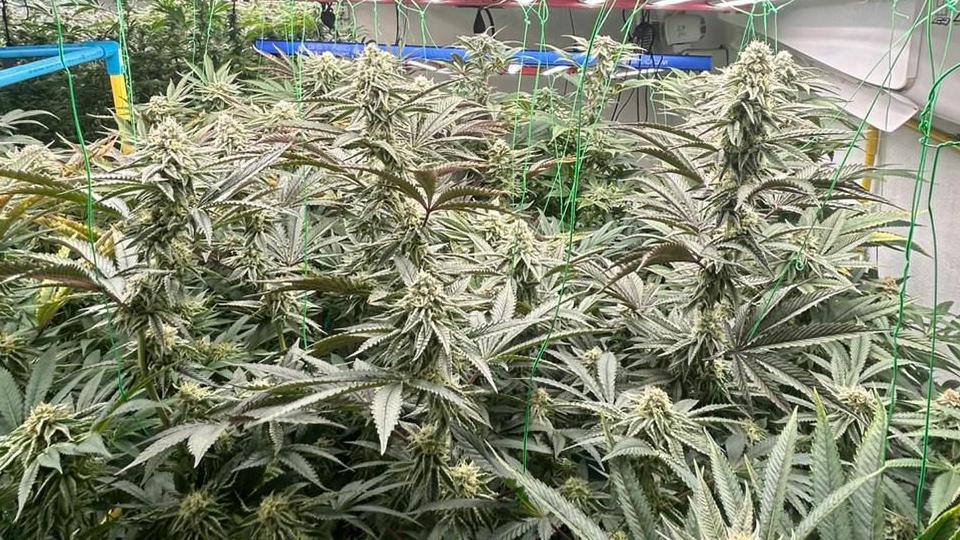
Zee, whose identity we are not revealing in order to get an insider’s view of this illicit trade, said he used seeds sourced from the respected Doja dispensary in California – where they are legal to buy but illegal to export – to make it look like it was the real deal.
There is no suggestion that Doja has acted improperly.
Zee said he sold the drugs under the names of the strains popular with smokers wanting the high-end product.
He explained: “It costs me about £350 to produce a kilo. My buyers in the UK will pay 10 times that – up to £3,500 a kilo. I don’t have to grow it in California to make money – the overheads would be too high.
“It’s still grown to a strong spec – just not in California.”
He showed the BBC photographs of what he said was his stash – a safe house in Thailand stocked with triple-vacuumed packs ready to be sent to the north-west of England – chiefly Liverpool and Manchester – and parts of Yorkshire.
He said he pocketed half of the proceeds of each consignment reaching the UK, with each being worth up to £250,000.
‘Intoxicated’
Zee described how he smuggled the drugs into the UK by air using couriers, via the post or by shipping.
He said his couriers bring back two suitcases, each containing about 20kg of cannabis.
While Zee said you are usually allowed to fly with suitcases weighing up to 23kg, limiting the weight to 20kg helped to keep customs officers off the scent.
He said: “We get them a return ticket to Bangkok from a travel agent we use in India so it can’t be traced. Then we show them a good time – take them to Pattaya, get them girls, mushrooms, coke, whatever they want.
“Then when they’re so intoxicated and have had three of four days of partying, it’s time for them to do what they came for. So we just put it on them: ‘Take these bags’.”
He added: “Once it’s done and picked up they’ll get 10 grand. And then the word spreads.
“If I send 10 through and nine get caught, I’ll still make a profit. Most couriers get caught but if they were stopped in Thailand they were just told to take it back to where it came from.”
When challenged whether he was coercively controlling couriers for his own ends, he said: “No, it’s more of a bartering system. They want something and I want something. It goes hand in hand.”
On Zee’s boasts about making a tenfold profit on each crop, the NCA’s threat lead for border vulnerabilities Paul Pantry said: “I can’t go into specifics but that figure sounds realistic.”
He added: “Let’s be clear, the organised crime groups behind these importations are brazen and ruthless. They don’t care about the couriers, and they can afford to absorb the cost of losing them here and there because the profits are so high.”
One courier, a 59-year-old man from South Yorkshire, told the BBC he agreed to bring back two suitcases to pay off a heroin and crack debt in the thousands of pounds.
He said: “I was in trouble. I was being violated, so I had to find a way to pay it. Then I was offered the chance to go to Thailand and bring something back.
“I was desperate. In total now I’ve been six times – mostly to pay off debts.”
Asked if he felt people were preying on his desperation, he said: “Not really. I didn’t have much choice or time, so I was offered a way out and took it.”
Zee said he also recruited “fresh faces, people you wouldn’t suspect – backpacker types. Not girls though: girls are too emotional.”
Many traffickers have used young women to bring back cannabis from Thailand, however, leading to a string of arrests.
They include 19-year-old Bella Culley, from Teesside, who was caught and jailed in Georgia with 12kg of marijuana and 2kg of hashish bound for the UK.
She was released from prison in November after accepting a plea bargain.
She claimed she had been coerced and tortured into smuggling the drugs.
The 28 tonnes seized by the NCA included 19 tonnes at Heathrow, where officers made 530 arrests, and about five tonnes at Manchester, where 145 suspected “mules” were detained.
Couriers are often told they will get away with a fine or a suspended prison sentence if they are caught but Ministry of Justice figures show that, in the year to June 2025, 80% of the 840 people sentenced for importing a Class B drug were jailed.
The number of people sentenced had risen from 209 in the previous 12 months.
Tightened security at airports has left traffickers looking for alternative smuggling methods, the BBC understands, with the post considered a viable option.
Zee said: “I’ve brought in 10 kees (kilos) a time in vacuum-packed parcels. Ten addresses, a kilo to each address. I just pay someone to take delivery – usually in weed as they’re happy with that.”
Thai and British authorities have clamped down on postal deliveries, though.
Zee said traffickers had responded by turning to shipping instead.
He showed the BBC pictures of cans of popcorn in which he said he had concealed 250g of drugs and shipped them to the UK before Christmas.
Zee said the cannabis he imports is broken down by dealers who often sell it in 3.5g deals – what’s known on the street as an “eighth” (of an ounce) – using glossy packaging bought online.
The BBC found dozens of online head shops selling shiny “3.5g” plastic pouches for as little as 25p with eye-catching graphics featuring all of the sought-after “Cali” brands.
Dealers then tout their wares to buyers on Instagram and Snapchat, offering a menu of the latest strains with pictures, videos and the price.
Rob, from Liverpool – not his real name – is a former grower who spends up to £600-a-month on “high-end smokes”.
The 37-year-old said: “The cannabis on the streets has changed massively over the years. You used to get skunk in a clip bag and you knew it was a clean smoke.
“But now everyone’s after Cali. It’s blown up. You’ve got your influencers and rapper videos and colorful, shiny packaging, which draws younger people in.
“The problem is that the product on the streets isn’t what it says on the tin. It’s grown on the cheap in places like Thailand and labelled as one of the Cali strains but it’s highly likely that its been sprayed with some kind of synthetic plant growth hormone to increase the yield and boost intensity and weight and make it look like the Cali weed that everyone’s after.
“Most of the stuff on the streets now is awful and everyone’s cutting corners.”
Growers may use synthetic plant growth regulators to increase yield and produce denser cannabis plants, but these substances are not always approved for use on products intended for human consumption.
A study published in the Journal of Toxicology found that chemical residues, including growth regulators, can be transferred into cannabis smoke and inhaled by users, while UK researchers at Liverpool John Moores University say the long‑term health effects of such exposure are not yet fully understood.
According to the Office of National Statistics, 16 to 24-year-old males are the most common cannabis smokers in the UK.
An apparent marketing push towards younger users is concerning health experts.
Dr Di Forti, a leading researcher at Kings College London, said many young men – often connected to gangs – were seeking out powerful highs to shut out childhood trauma, ramping up the risk of psychotic episodes.
She added: “The herbal type of cannabis that was traditionally known as skunk has been rebranded to be more appealing under different names like Cookie Cali, with the impression that it is coming from sunny California.
“The reality is these strains contain THC above 20% and in some cases – like in Shatter, a cannabis concentrate we find in vapes – up to 90%.”
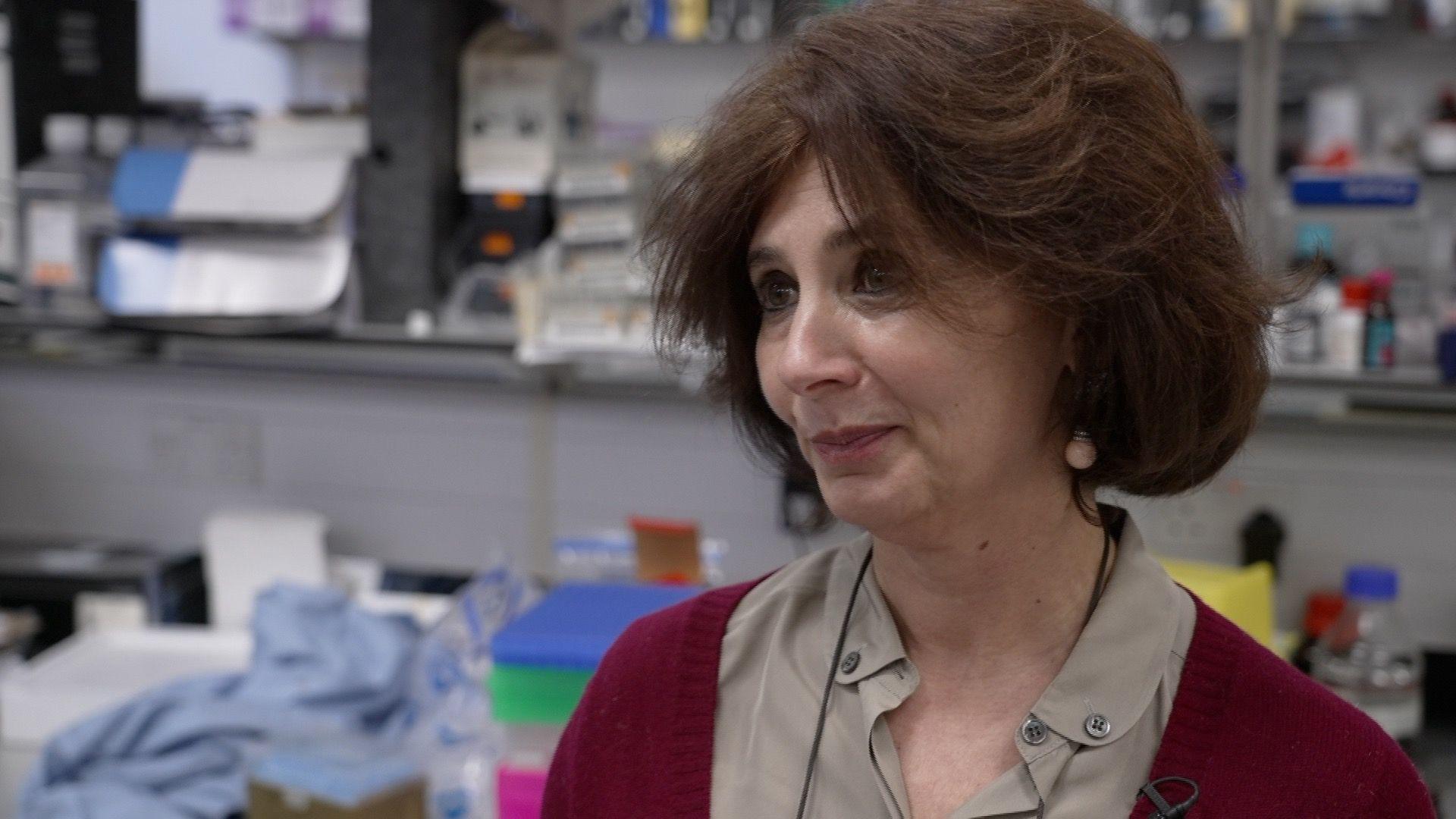
She added: “I’ve treated patients who think their mum and dad are trying to poison their food, people who think they’re going to be attacked or killed or are being constantly surveilled.”
Stacey Llewellyn, a peer mentor at the UK’s first cannabis clinic for patients with psychosis, suffered severe mental health problems due to her chronic cannabis use.
She said: “The stuff on the streets is stronger than ever.”
The 37-year-old, from Streatham in south London, was 15 when she started smoking skunk with her friends after school.
A joint a day soon led to three, she said.
Stacey said she continued smoking regularly until her late 20s when she quit while pregnant.
After losing her baby son to cot death, she said she went back to using cannabis.
“I was smoking 10 spliffs of strong skunk a day and losing my grip on reality,” she said.
“I was paranoid and thought my parents were trying to harm me and I’d find myself getting up in the morning and walking to places for no apparent reason.”
Before she was able to stop using cannabis, Stacey said she tried to take her own life and was in hospital five times after psychotic episodes.

She said: I’ve gone through a tough time and I turned to skunk to ease the pain but I know now that all it did was make it worse and give me mental health problems that I have struggled to overcome.”
A Home Office spokesman called the findings of the BBC investigation “concerning”, adding: “Drug seizures have hit a record high, putting massive quantities of lethal drugs out of circulation.
He said the government was working closey with police and overseas partners to prevent illegal drugs from reaching the UK.
Disclaimer : This story is auto aggregated by a computer programme and has not been created or edited by DOWNTHENEWS. Publisher: BBC






