Lynx reintroduction plans opposed by councillors
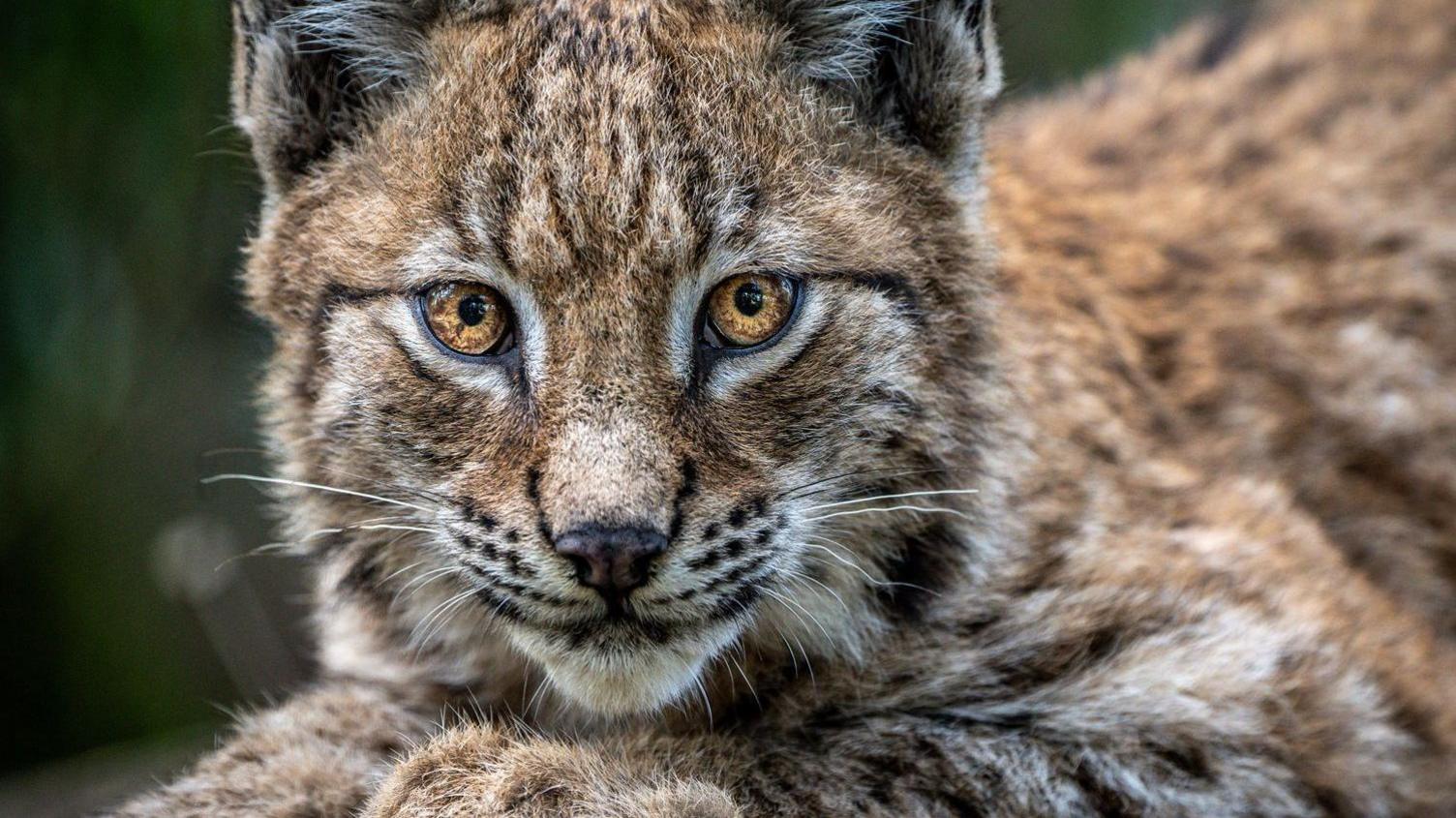 Image source, Ben Birchall/PA
-
Published
Plans to reintroduce lynx to some northern parts of England have been opposed by councillors.
Northumberland County Council has backed a motion that it would not support any application to release the big cats into the wild, although a final decision rests with the Department for Environment, Food and Rural Affairs (Defra).
The Eurasian lynx was hunted to extinction in the UK about 1,000 years ago, and campaigners argue the species should be reintroduced to north Northumberland to help control roe deer populations and improve the ecosystem.
However, opponents say the predators could attack sheep and other livestock.
The motion was put forward by non-aligned Rothbury councillor Steve Bridgett, who said the authority should oppose any proposals to reintroduce lynx in order to protect farming.
It was passed by 44 votes to seven, with five abstentions.
Speaking before Wednesday’s vote, Bridgett said: “Our landscape is managed by [farmers] and they are there to put food on our tables.
“Ultimately that’s what we want them to do and we want them to have the freedom to do that.
“We don’t want them getting up at 5 in the morning to check their livestock and finding that their herd of sheep has been dispersed and there’s animal carcasses across the farm.”
‘Compensation scheme’
The Missing Lynx Project is working to reintroduce the species in Northumberland after a consultation found 72% of people in the region supported it.
This is supported by Northumberland-based naturalist, Richard Cansdale, who said the species had been successfully reintroduced elsewhere in Europe including in Switzerland, Austria and Germany.
“If lynx came in, and they reduced the impact that roe deer over-grazing and over browsing had on trees, then biodiversity would actually improve.
“There would be more things to eat,” he said.
“What better evidence do you need than to talk to people where it has been done successfully?
“And if there was a downside, and if lambs are being taken, and that’s a farmer’s likelihood, and I totally respect that, let’s have a compensation scheme.”
Follow BBC North East on X, external, Facebook, external, Nextdoor and Instagram, external.
Get in touch
Do you have a story suggestion for BBC Tyne?
-
-
Published7 August 2025
-
-
-
Published31 March 2024
-
-
-
Published5 November 2025
-
Related internet links
Disclaimer : This story is auto aggregated by a computer programme and has not been created or edited by DOWNTHENEWS. Publisher: newsrss.bbc.co.uk