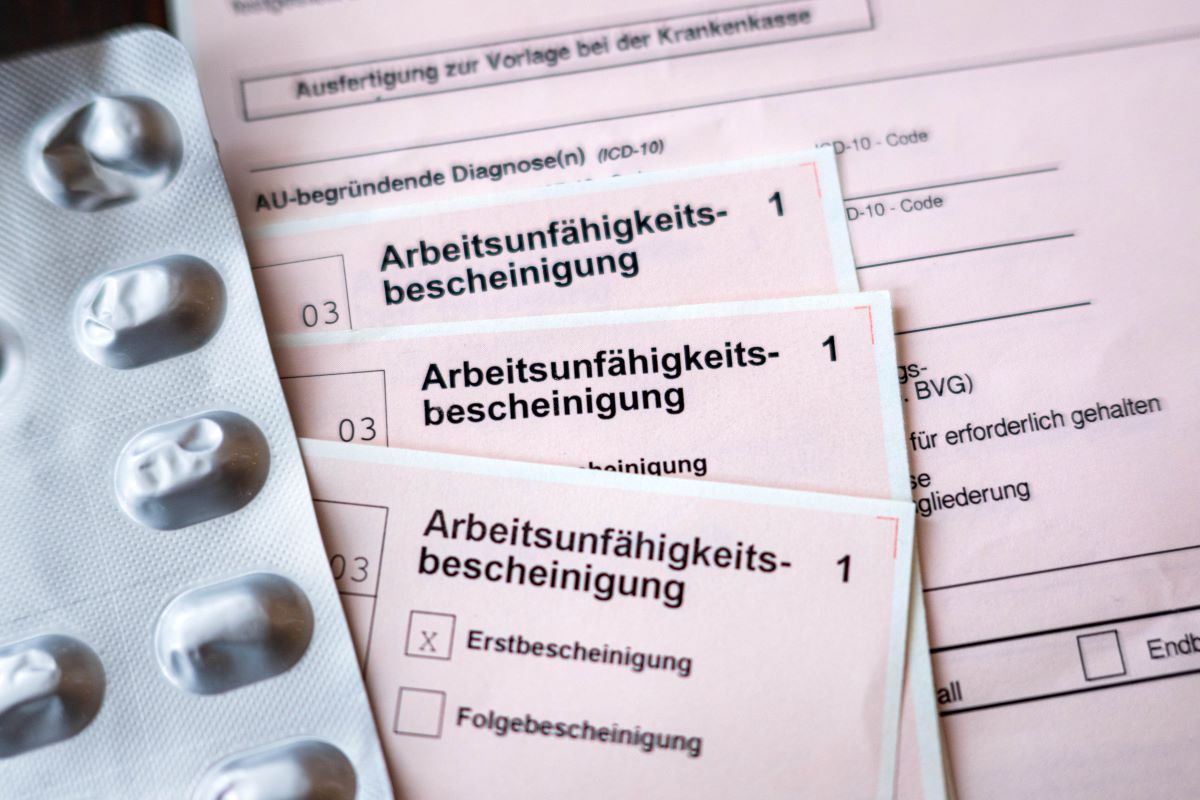
From 2028, patients with chronic or long-term illnesses could be signed off sick – but still able to work part-time. Here are the latest details on Germany’s plans for part-time sick leave and what they could mean for employees.
Germany’s plans to reform sick leave rules have been hitting the headlines lately for all the wrong reasons.
Announced at the start of July as part of a major reform package, the changes include mandating sick notes for employees from the first day of illness and ending the ability to request a sick note over the phone.
GPs have described these tough new measures as “catastrophic” and warn they could lead to over-filled waiting rooms and unnecessary bureaucracy.
READ ALSO: ‘Catastrophic’ – Germany plans stricter rules for sick leave
But another change for employees could also be on the horizon. From July 2028, people who are unwell over longer periods may not have to choose between full-time work and signing off sick entirely.
Instead, employees may be able to apply for a “part-time sick leave” option, allowing them to work reduced hours for the duration of their illness.
The proposals are part of a sweeping overhaul of health insurance rules that is likely to be passed in the Bundestag on Friday. A government paper obtained by Focus magazine has revealed new details of the scheme.
Here’s what you need to know.
How could the scheme work?
Currently, employees who fall ill receive their full salary from their employer for the first six weeks of illness. After this, the worker generally recieves Krankengeld (statutory sick pay) from their health insurer. This is set at around 70 percent of their previous gross income, capped at €135.63 per day.
READ ALSO: What happens if you’re off sick for a long time in Germany
According to the paper, employees entitled to Krankengeld could have a choice to work part-time in future. This means workers could be signed off to work either 25 percent, 50 percent or 75 percent of their previous hours.
Their employer would then pay them based on the hours they work, with their income topped up by Krankengeld. So, for example, if an employee was able to work 50 percent of their hours, they would then receive 50 percent of their sick pay entitlement.
Would companies have to agree to this?
No. If employers don’t agree to part-time working hours – or don’t respond within seven days – then workers will be declared fully unfit for work. At this point, the normal rules for sick pay would apply.
In addition, there would be no legal obligation for employers to adjust the working environment to allow part-time work.
‘Certificate of Incapacity for Work’. The coalition is planning to introduce stricter rules for sick leave certificates. Photo: picture alliance/dpa | Sina Schuldt
Why does the government want to introduce part-time sick leave?
Facing mounting economic pressure, Germany’s CDU/CSU and SPD coalition are desperate to boost productivity. As part of this goal, they have set their sights on workplace absences.
According to a report by the Berlin-based IGES Institute, employees in Germany took an average of 19.5 days off work due to illness in 2025. On any given day, 54 in 1,000 employees were signed off sick, with 2.5 percent of sick leave lasting more than six weeks at a time.
READ ALSO: Working in Germany – The 10 rules you need to know if you fall ill
“We can no longer afford this competitive disadvantage caused by long absences at work,” Chancellor Friedrich Merz (CDU) said at the start of July.
At the same time, Germany’s health insurance system is facing a massive financial crisis. The Federal Ministry of Health has revealed that statutory health insurers are facing a €15.3 billion shortfall in their budgets, which experts warn could balloon to €40 billion by 2030 if left unchecked.
As a major expense for health insurers, the Health Ministry hopes it can reduce reliance on fully statutory sick pay in cases of long-term illness.
“The aim, in particular, is to strengthen participation in working life, to maintain contact with the workplace, to avoid prolonged periods of complete absence from work, and to facilitate a return to full-time employment,” the ministry explains in the paper seen by Focus.
The move is part of a far-reaching package of cost-cutting measures designed to claw back €16.3 billion for health insurance budgets.
What happens next?
The healthcare reform bill will go to a vote in the Bundestag on Friday, where it is expected to pass. However, it may face some additional hurdles before the plans can come into force.
Though not required to vote on the bill, the Bundesrat could hold up the law by sending it to a mediation committee for amendments. If this happens, the government may need to reach some compromises with the federal states.
READ ALSO: Germany softens health insurance reform plans ahead of key vote
In the meantime, there continues to be a strong backlash from doctors on the cost-cutting plans.
Speaking to the Rheinische Post on Thursday, Nicola Buhlinger-Göpfarth, Chair of the Association of General Practitioners, described the bill as a “complete fiasco for GP practices and their patients”.
“If the federal and state governments want to continue providing good GP care for their citizens, then this bill must be stopped,” she said. “Local healthcare provision will be guaranteed in fewer and fewer regions, people will have to wait ever longer for appointments in future, and there will be less time for their treatment.”
Meanwhile, some plans that didn’t make it into the bill are expected to be fleshed out in autumn. These include a sugar tax on fizzy drinks and proposals to safeguard access to psychotherapy.
Disclaimer : This story is auto aggregated by a computer programme and has not been created or edited by DOWNTHENEWS. Publisher: thelocal.de