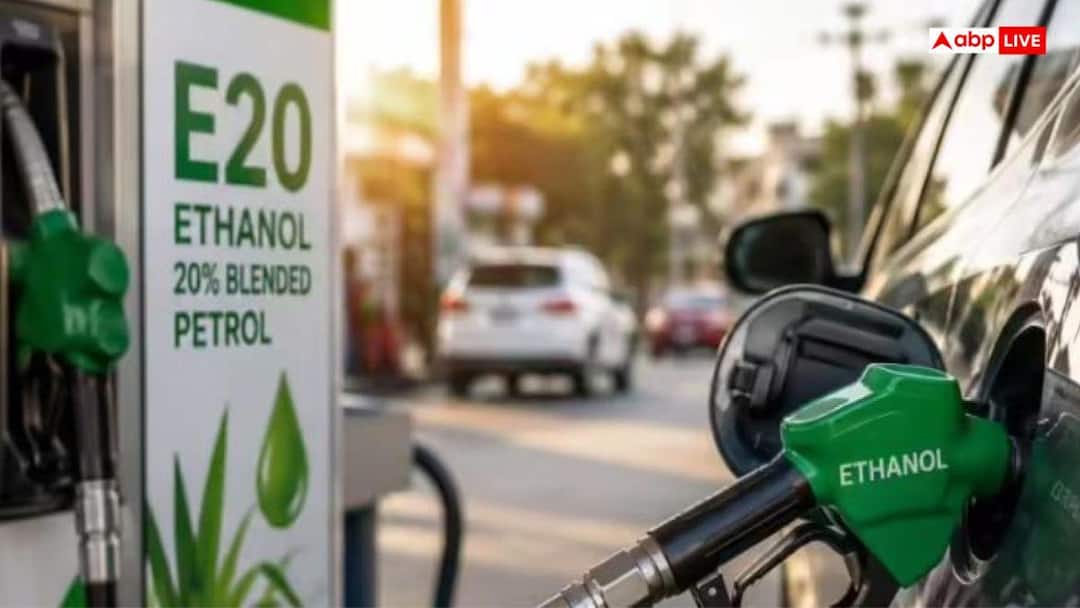
At first glance, it seems like a fair question. If ethanol is blended with petrol, shouldn’t E20 fuel cost less than E10 or pure petrol?
According to the Centre, the answer lies in how ethanol is produced, procured and priced.
Why E20 Isn’t Cheaper
The government purchases ethanol from Indian producers at remunerative prices to ensure farmers receive fair returns for their crops. Over the years, procurement prices have steadily increased across all major feedstocks, including maize, sugarcane juice, B-heavy molasses and C-heavy molasses, ministry of petroleum and natural gas reported.
For instance, maize-based ethanol is currently procured at around Rs71.86 per litre, even before GST, transportation, storage and handling costs are added. By comparison, when global crude oil prices hover around $70 per barrel, producing E20 fuel can actually be more expensive than refining pure petrol.
The economics, however, change when crude oil prices surge. At $120-130 per barrel, ethanol becomes relatively cheaper, making blended fuel more cost-effective.
Bigger Question Isn’t Price
The Centre argues that consumers are asking the wrong question.
Instead of asking “Why isn’t E20 cheaper?”, the government says the real question is:
“How has India managed to shield consumers from volatile global crude oil prices?”
The answer, according to the government, is ethanol blending.
Today, nearly 20% of every litre of petrol sold in India is domestically produced ethanol, procured at a relatively stable price of around Rs71 per litre. Unlike crude oil, ethanol prices are not directly affected by daily fluctuations in Brent crude, geopolitical conflicts or global shipping disruptions.
In effect, one-fifth of every litre of fuel sold in India remains insulated from international oil market volatility.
How Ethanol Helped Moderate Fuel Prices
The Centre says ethanol blending has played a significant role in cushioning Indian consumers from sharp fuel price spikes witnessed globally.
Government data shows that between June 2022 and June 2026, petrol prices in Delhi rose by just 5.58%, compared with:
- Pakistan: 39.77%
- Sri Lanka: 36.66%
- Bangladesh: 42.69%
- Nepal: 20.35%
- Germany: 19.05%
- France: 17.74%
- Italy: 18.39%
Similarly, after the latest West Asia crisis, fuel prices in India recorded far smaller increases than neighbouring countries.
More Than Just Cheaper Fuel
The Centre emphasises that the Ethanol Blended Petrol (EBP) Programme is not designed to make petrol cheaper on any given day. Its primary objective is to reduce India’s dependence on imported crude oil while improving energy security.
According to official figures, since the programme began:
- Rs1.97 lakh crore in foreign exchange has been saved.
- Nearly 316 lakh metric tonnes of crude oil imports have been substituted.
- Around 952 lakh metric tonnes of CO₂ emissions have been avoided.
- More than Rs1.66 lakh crore has been transferred directly to Indian farmers.
The government says ethanol blending delivers multiple long-term benefits, including lower crude imports, reduced foreign exchange outflow, higher farm incomes, greater price stability and stronger national energy security.
“Our farmers are no longer just Annadatas (food providers); they have become Urjadaatas (energy providers), contributing directly to India’s energy security,” the Centre said.
Disclaimer : This story is auto aggregated by a computer programme and has not been created or edited by DOWNTHENEWS. Publisher: abplive.com