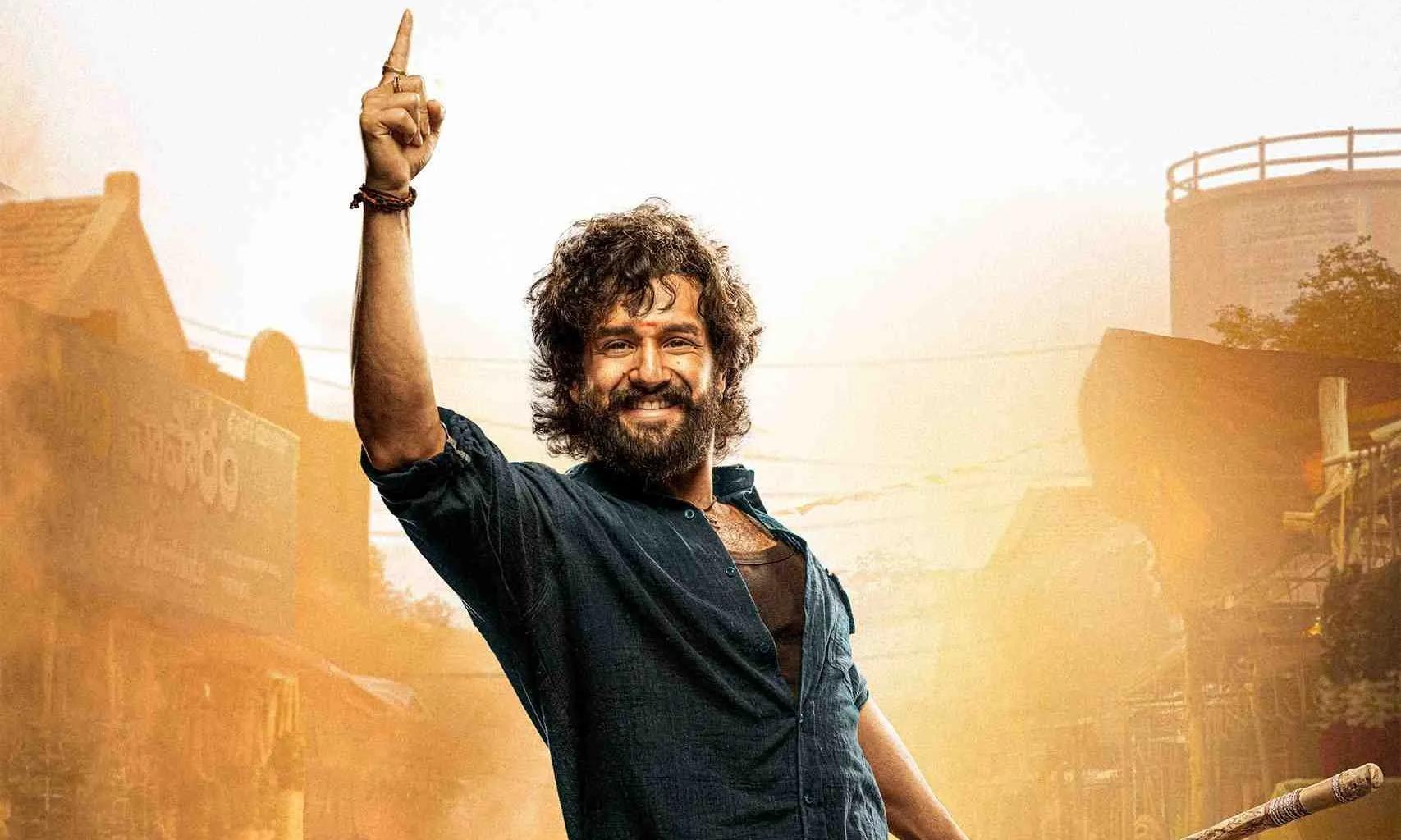
The Rayalaseema dialect is creating a massive impact in Telugu cinema.
For decades, mainstream cinema has restricted regional accents, like those in Rayalaseema and Telangana, to villains or comedic sidekicks, while standard Telugu was the language of the main roles. But leading actors are no longer sticking to neutral accents.
The current landscape of Tollywood shows a major cultural shift, putting the raw and powerful linguistic flavour of the Seema region into the mouths of top-tier heroes. Striking examples include Varun Tej who uses a sharp Rayalaseema slang in the supernatural horror-comedy Korean Kanakaraju, Samantha, who won praise for her flawless Tirupati slang in Maa Inti Bangaram, and Akhil Akkineni speaking in the dialect in the rural action drama Lenin.
This change ties in with filmmakers now prioritizing highly authentic, rooted narratives over generic city-slicker stories. The massive box-office success of Telangana-centric films like Fidaa and Dasara proved to producers that audiences love unfiltered regional authenticity.
Filmmakers now regularly hire native language consultants so that actors deliver flawless regional slang rather than a forced, generic caricature. Vijay Deverakonda has done extensive linguistic research to perfect the dialect for his upcoming highly anticipated period drama Ranabaali directed by Rahul Sankrityan.
Historically, when Rayalaseema was shown in Telugu cinema, it was limited to bombs, blood, and sickles. Then, Jr NTR won critical acclaim for delivering authentic Rayalaseema dialogues written with the help of native lyricist Penchal Das in Aravinda Sametha Veera Raghava (2018).
Recent Tollywood films have further dismantled the factionist stereotype and have introduced a rich cultural mix, blending the regional slang with diverse genres like romance (Lenin) and supernatural fantasy. (Korean Kanakaraju.)
Lenin director Murali Kishor Abburu went the extra mile to help Akhil’s determination to master the Rayalaseema accent and body language. “Akhil is a very sincere and professional actor,” he says. “We conducted workshops before the shoot. He even came to my village, met the local people, observed their lifestyle, and made detailed notes. That kind of preparation is rare and speaks volumes about his commitment. Since I come from that region, I have a good command of the dialect and the nuances of the slang. During the shoot, I would often deliver the lines, and he would quickly pick up the rhythm, pronunciation, and expressions. During the dubbing process, we refined the pronunciation even further.” he said that the actor was also given recorded conversation. “Between shooting schedules, I would record conversations between my father and my father-in-law and send those recordings to Akhil so he could listen to the natural flow of the dialect and practice it. Above everything else, Akhil treated this role as a challenge. He was determined to get every detail right, and he put in tremendous effort to make the character authentic. In the end, all that hard work truly paid off.”
Disclaimer : This story is auto aggregated by a computer programme and has not been created or edited by DOWNTHENEWS. Publisher: deccanchronicle.com