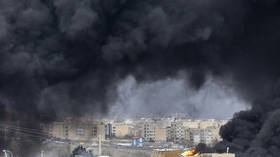
Iran’s endangered animals are facing new dangers after the United States and Israel launched attacks on Iran earlier this year, followed by Iranian strikes and weeks of fighting.
Although a ceasefire was later announced, attacks and tension have continued in some areas, especially around the Persian Gulf.
The conflict is making wildlife protection more difficult across the country. Airstrikes, pollution, security restrictions and economic pressure are affecting important habitats and stopping some researchers from reaching areas where rare animals live.
Iran is home to many rare species, including the Asiatic cheetah, Persian leopard, Persian onager, brown bear and several endangered birds of prey. Conservationists fear that bombing in mountain and desert areas may damage habitats used by these animals.
Falcons disturbed during breeding season
The fighting began during an important breeding period for endangered falcons. Explosions, aircraft and heavy vibrations near nesting areas can frighten adult birds and cause them to leave eggs or chicks behind.
Researchers have continued checking nests where possible, but access has become more difficult because of the conflict and tighter security.
Some US and Israeli strikes targeted military sites in mountain and desert areas. These landscapes are also home to endangered predators, including Asiatic cheetahs, Persian leopards and brown bears.
Bombing can destroy plants, pollute soil and water and force frightened animals to leave places they have used for food, shelter and breeding. Experts warn that animals may not return even after the fighting stops.
The war has also made it difficult to reach wildlife sites on islands in the Persian Gulf.
There have been reports of an oil slick reaching Shidvar Island, a small protected island used by sea turtles and tens of thousands of birds for breeding. Oil can cover birds’ feathers, poison marine animals and damage beaches where turtles lay their eggs.
Wildlife was already under pressure
Even before the war, Iran’s animals faced habitat loss, drought, water shortages and limited conservation funding.
Economic sanctions make it difficult for Iranian conservation groups to receive money from international organisations. The country’s financial crisis is also reducing local support for wildlife projects.
Despite these problems, conservation groups continue to monitor animals, restore habitats and teach local communities about endangered species.
Iran‘s wetlands, coastlines, forests and mountains support rare local animals and millions of migratory birds travelling between Europe, Asia and Africa.
Disclaimer : This story is auto aggregated by a computer programme and has not been created or edited by DOWNTHENEWS. Publisher: theanimalreader.com