
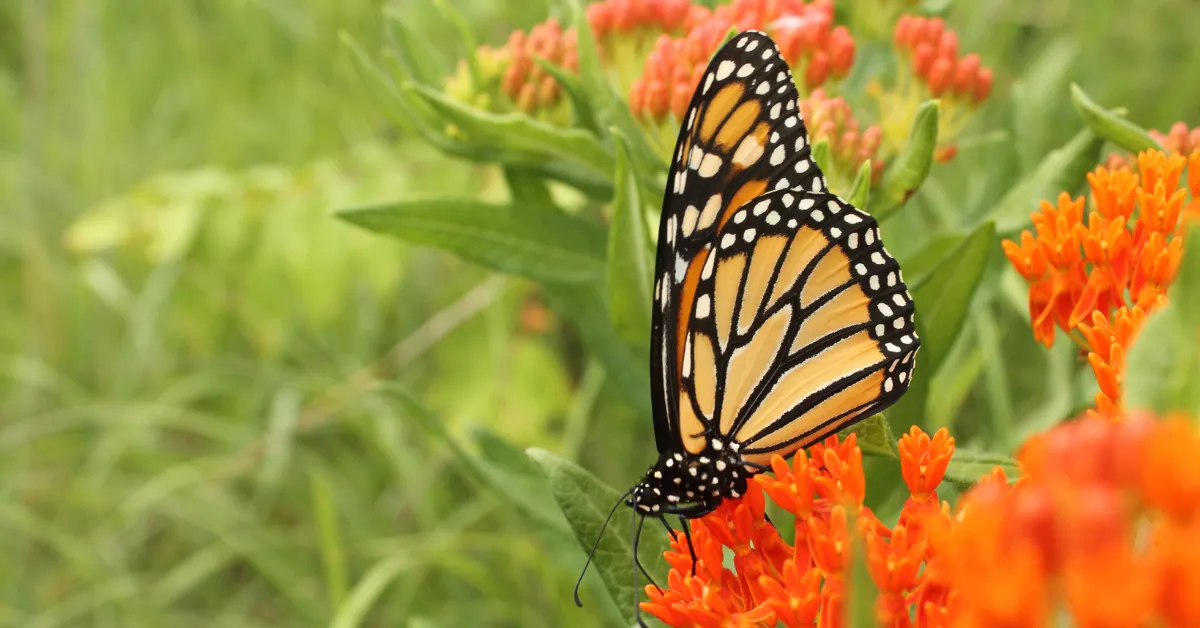
A tiny bee hovers around a flowering tulsi plant. A butterfly settles briefly on a marigold before fluttering across to the next balcony. Every now and then, a purple sunbird stops to sip nectar from a hibiscus flower.
For many urban gardeners, these small moments are among the greatest rewards of tending to a balcony garden.
But these visitors are more than a pleasant sight. They are a reminder that even the smallest green spaces can make cities a little kinder to nature.
As India’s cities continue to grow upwards, open spaces are disappearing. Parks are becoming fewer, trees are often lost to development, and flowering plants are increasingly hard for insects to find.
Yet balconies across apartment buildings, filled with herbs, vegetables and flowers, are quietly filling that gap. On their own, they may seem insignificant. Together, they create a network of mini habitats that help bees, butterflies and other pollinators survive in cities dominated by concrete.
More than just pretty visitors
Pollinators are among nature’s hardest workers.
As they move from flower to flower in search of nectar and pollen, they help plants reproduce. This simple process allows many fruits, vegetables and seeds to develop.
According to the Food and Agriculture Organization (FAO), nearly three-quarters of the world’s food crops depend, at least in part, on animal pollination.
In India, this vital work isn’t done only by honeybees. Hundreds of species of native bees, butterflies, moths, flies, beetles and even birds play an equally important role.
But life is becoming increasingly difficult for these tiny creatures.
Rapid urbanisation has replaced gardens, hedges and open plots with buildings and roads. Many landscaped public spaces are filled with ornamental plants that look attractive but offer little food for pollinators. Add pesticides, air pollution and rising temperatures to the mix, and cities become even more challenging places for them to survive.
A balcony can become a pit stop
It’s easy to assume pollinators need forests or large gardens.
In reality, many native bees and butterflies can benefit from something as simple as a few pots of flowering plants.
Think of a balcony garden as a roadside café on a long journey. It offers nectar, pollen and sometimes even shelter before insects continue to the next patch of greenery.
When more homes in a neighbourhood grow flowering plants, these balconies become stepping stones, helping pollinators move through cities that would otherwise be difficult to navigate.
Instead of relying on one large park, insects benefit from many small green spaces spread across a city.
It’s the flowers that count
A large balcony filled only with ornamental foliage may attract very few pollinators.
A much smaller space with the right flowering plants, however, can quickly become a busy stop for bees and butterflies.
Tulsi is a favourite when it flowers. Butterflies are drawn to zinnias, cosmos and pentas, while hibiscus and jasmine attract a variety of insects and nectar-feeding birds.
Herbs such as coriander, mint, dill and fennel become especially valuable if they’re allowed to flower instead of being harvested immediately.
Even vegetable plants can help. Tomatoes, chillies, cucumbers and brinjals all produce flowers that attract pollinators, making balcony gardens productive in more ways than one.
/filters:format(webp)/english-betterindia/media/media_files/2026/07/14/balcony-gardens-india-2026-07-14-16-19-48.png)
Growing plants that bloom at different times of the year also ensures there’s always something in flower, whatever the season.
Sometimes, less is more
One of the biggest mistakes many well-meaning gardeners make is reaching for chemical sprays as soon as insects appear.
While pesticides may eliminate pests, they often kill beneficial insects too. Bees and butterflies are particularly vulnerable, and even small amounts of certain chemicals can affect their ability to find flowers or return to their nests.
Many experienced home gardeners instead rely on natural methods. They remove pests by hand, enrich the soil with homemade compost and encourage beneficial insects like ladybirds that naturally keep harmful pests in check.
A shallow bowl of water with a few pebbles can also become a lifesaver during hot summer days, giving bees and butterflies a safe place to drink.
Often, the healthiest gardens are the ones where nature is allowed to find its own balance.
Every balcony becomes part of something bigger
A single balcony garden won’t reverse biodiversity loss.
But it doesn’t have to.
Its real strength lies in being part of a larger network.
Imagine every household in an apartment building growing just a few flowering plants. Now imagine an entire neighbourhood doing the same. Together, these tiny gardens create a chain of nectar-rich spaces, making it easier for pollinators to feed, travel and survive.
/filters:format(webp)/english-betterindia/media/media_files/2026/07/14/balcony-gardens-india-2026-07-14-16-24-34.png)
Across cities such as Bengaluru, Pune, Hyderabad and Delhi, more people are taking up gardening to grow fresh vegetables, improve air quality or simply enjoy nurturing plants. Along the way, they’re also creating safe havens for bees, butterflies and other pollinators that ask for very little in return.
That’s perhaps the quiet magic of balcony gardening.
You may begin by growing herbs for your kitchen or flowers to brighten your mornings. But before you know it, your little patch of green becomes part of something much bigger—helping protect the pollinators that keep our ecosystems thriving and much of the food on our plates growing.
Disclaimer : This story is auto aggregated by a computer programme and has not been created or edited by DOWNTHENEWS. Publisher: thebetterindia.com






