More women in parts of North Korea are turning to prostitution to survive amid worsening economic hardship. Police have tried posing as clients to catch them in the act, but recruiters and managers screen out suspected officers before they can reach the women, and actual arrests remain rare.
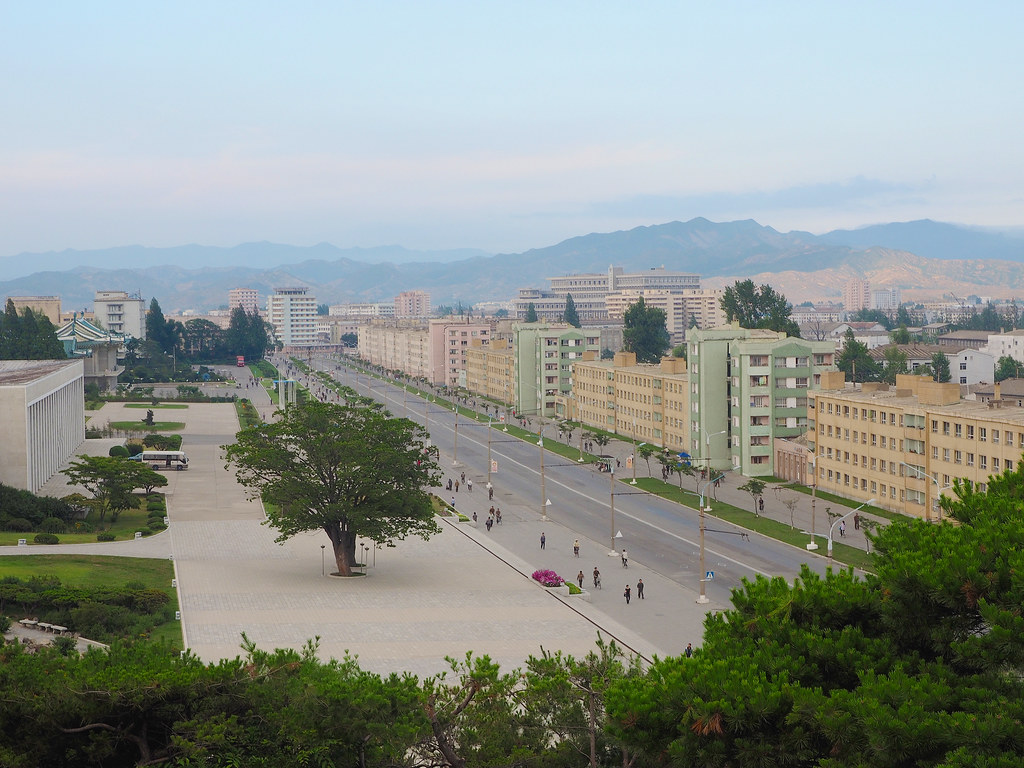
A source in South Hamgyong province told Daily NK on Wednesday that the number of women engaging in prostitution has grown near train stations in Hamhung and other major cities in the province. Rising prices have driven up the capital needed to start a small trading business. Women with few options are turning to prostitution instead, since it requires no upfront capital.
The province’s cost of living has pushed the capital needed for petty trade up at least fivefold compared with past years, according to the source. Wealthy North Koreans who hold foreign currency are relatively insulated from rising prices and exchange rates. Vulnerable North Korean people, who live hand to mouth, face a harder path as their trading costs have swelled just as their day-to-day income has stayed flat.
Selling rice cakes or imitation meat rice, a popular North Korean street food, once let poorer women start a business with little capital. That has changed. Rising ingredient costs and weaker buying power have made even food vending hard to profit from. Some women now sell food by day and turn to prostitution at night, the source said.
A more organized, and harder to catch, operation
In Hamhung, four or five women once worked prostitution in a given area. Now, seven or eight do, according to the source.
New arrivals once sparked conflict. Established women guarded their turf and viewed newcomers as a threat to their income, the source said. That has eased recently, as demand has grown enough to reduce competition among the women themselves.
The trade now runs through three roles: managers, recruiters who scout clients, and the women themselves. A recruiter finds a client and connects him with a manager. A waiting woman then moves to a location the manager designates.
Women typically keep 60% of what they earn. Managers take the remaining 40%, and pass a portion of that cut to recruiters, the source said.
Women once solicited clients directly on the street, but that has changed too. Showing their faces in public made them easy targets for police, so many now avoid exposure altogether.
Clients must pass through a recruiter and then a manager before reaching a woman. That structure makes it difficult for police posing as clients to catch anyone in the act.
Better organized prostitution rings
More women are entering the trade out of necessity, the source said. But the increasingly organized structure is making it harder, not easier, for police to catch them.
“Police have posed as clients and tried to make arrests, but they haven’t had much success,” the source said. “Catching someone in the act is the only way to get solid evidence. But recruiters and managers grow suspicious and turn people away the moment something feels off.”
Police often give themselves away even out of uniform, through the way they speak or carry themselves, the source said. Women who have worked in the trade for years have come to recognize officers’ faces, even without direct contact, making them harder to catch than before.
“The bigger problem,” the source added, “is that no matter how many crackdowns happen, these women have no choice but to return to the same work to survive.”
Reporting from inside North Korea
Daily NK operates networks of sources inside North Korea who document events in real-time and transmit information through secure channels. Unlike reporting based on state media, satellite imagery, or defector accounts from years past, our journalism comes directly from people currently living under the regime. We verify reports through multiple independent sources and cross-reference details before publication.
Our sources remain anonymous because contact with foreign media is treated as a capital offense in North Korea — discovery means imprisonment or execution. This network-based approach allows Daily NK to report on developments other outlets cannot access: market trends, policy implementation, public sentiment, and daily realities that never appear in official narratives.
Maintaining these secure communication channels and protecting source identities requires specialized protocols and constant vigilance. Daily NK serves as a bridge between North Koreans and the outside world, documenting what’s happening inside one of the world’s most closed societies.
Disclaimer : This story is auto aggregated by a computer programme and has not been created or edited by DOWNTHENEWS. Publisher: dailynk.com