Agent murder report led to secret PSNI phone checks
-
Published
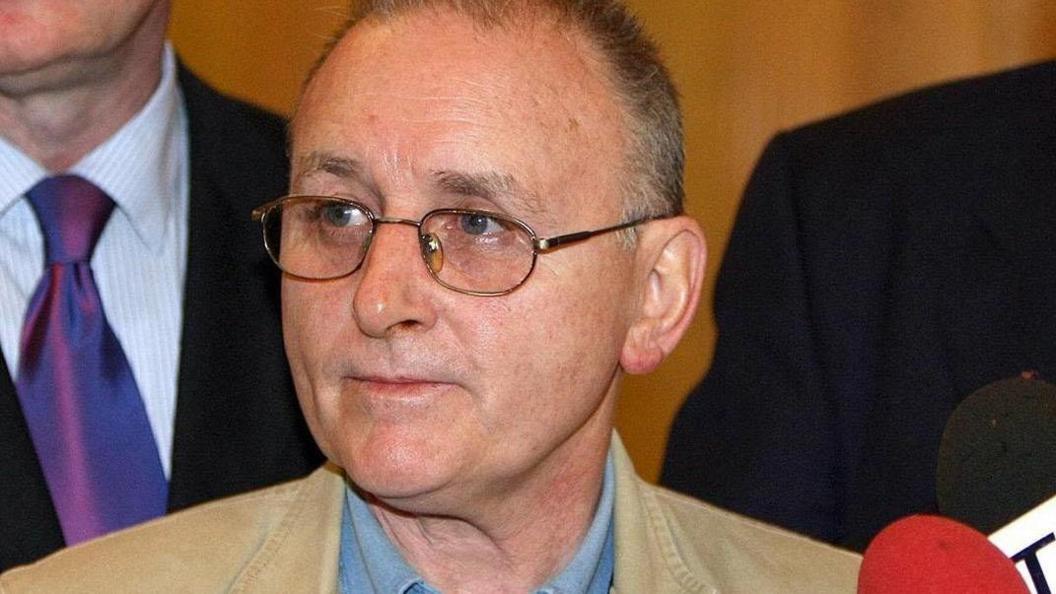
The family of murdered agent Denis Donaldson have said they are concerned that police ran checks on a reporter’s mobile phone after he wrote a story on the killing.
BBC Spotlight has revealed new details about call monitoring of the phone of former BBC security editor Brian Rowan.
Mr Donaldson was a police and MI5 agent within Sinn Fein.
PSNI chief constable Jon Boutcher has offered to meet Rowan, who said the police have told him nothing about the operation against him in 2006.
He learned of their actions from the BBC, as part of a case it took with journalist Vincent Kearney at the Investigatory Powers Tribunal (IPT).
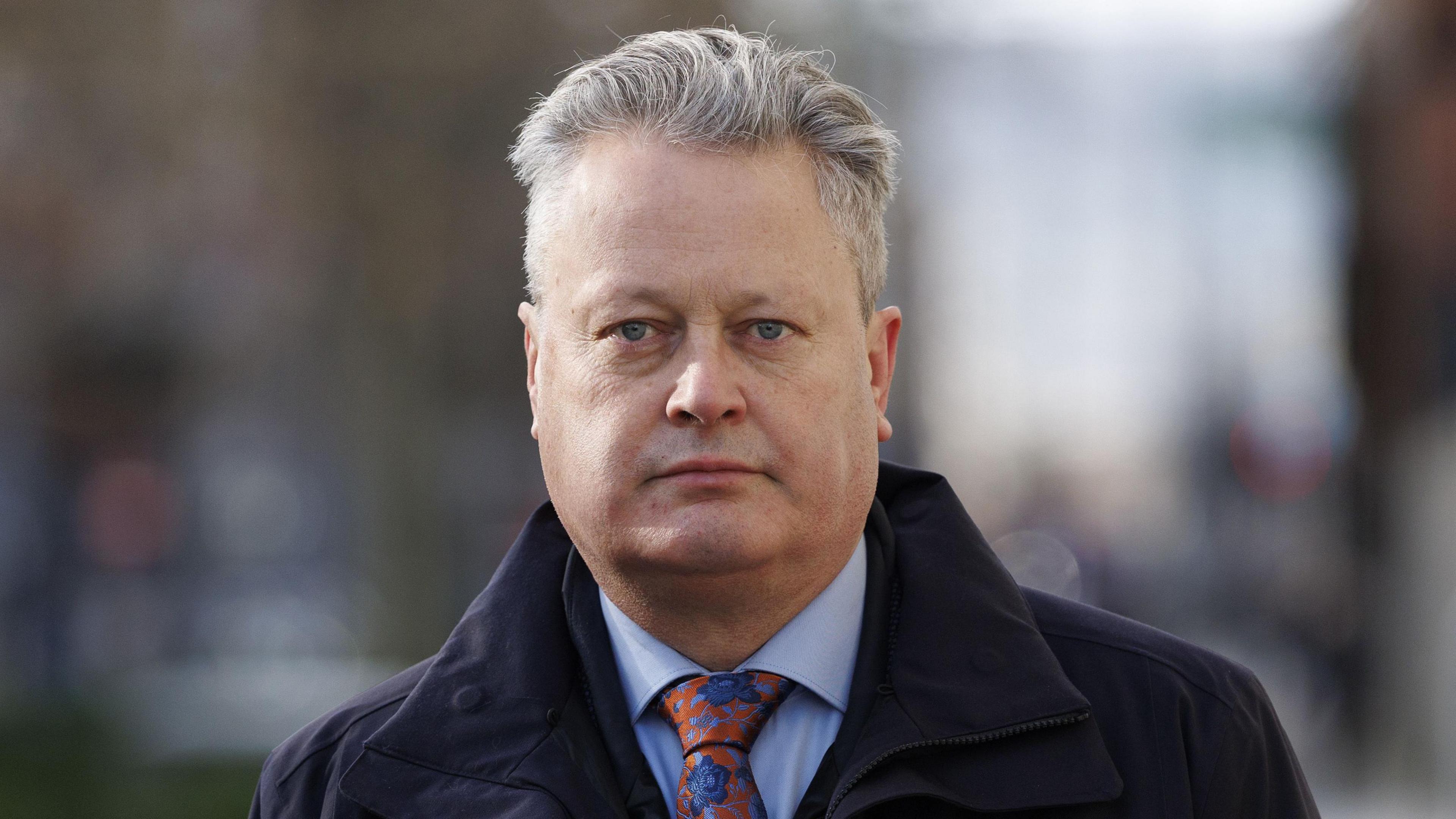 Image source, PA Media
Case papers reveal an ‘Operation Mally’ was launched by the PSNI, after Rowan wrote a Belfast Telegraph story on the agent’s last meeting with his handlers.
It involved checking Rowan’s mobile number for any interactions with police phones in a hunt for his sources.
Rowan told BBC Spotlight he was not surprised and says he would not rule out deeper intrusions into his communications data.
“If that’s what was happening in the peace process, what has happened in the conflict period?
“This is where this all goes deeper and where the more significant questions can be asked.
“What else were they up to? What were the other intrusions?”
In a statement to Spotlight, Boutcher said: “Mr Rowan is a professional and respected investigative journalist, and I am happy to meet with him to discuss any issues or concerns he may have.”

Kearney suspects an MI5 operation targeting his phone in 2006 was also, potentially, related to his coverage of the Donaldson murder.
As part of his IPT case, MI5 did not reveal why it unlawfully accessed his communications data.
The Donaldson family have expressed concern at developments and believe they too may have been the subject of some form of phone data surveillance.
His daughter Jane said they are now considering making a request for their own IPT investigation.
An independent review of the PSNI’s use of covert surveillance against journalists reported last year.
Its author, lawyer Angus McCullough KC, found the PSNI’s surveillance of journalists is not “widespread or systemic”.
Aside from Kearney, it stated that eight other journalists had been the subject of unlawful monitoring to identify their sources.
McCullough had unrestricted access to PSNI records for his review, which examined the period 2011-2024.

Operation Mally, involving Rowan, fell outside the review’s timeframe.
The operation was expanded into a much broader checking for unauthorised contact between journalists’ phones and police phones.
Boutcher has ended the practice.
He also pointed out that since legislative change a decade ago, there has been no unlawful interference with any journalist’s phone data.
There will be further follow-up work undertaken by the McCullough Review.
Boutcher said: “Significant changes to practice and policy have been implemented since the defects in the 2007 Communications Data code were remedied by the Home Office in 2015.
“It has been noted by Mr McCullough KC that no further breaches of the code have been authorised since that time by PSNI.
“This reflects the efficacy of the oversight now explicit to these types of applications.”
-
-
Published24 September 2025
-
-
-
Published6 days ago

-
Disclaimer : This story is auto aggregated by a computer programme and has not been created or edited by DOWNTHENEWS. Publisher: BBC