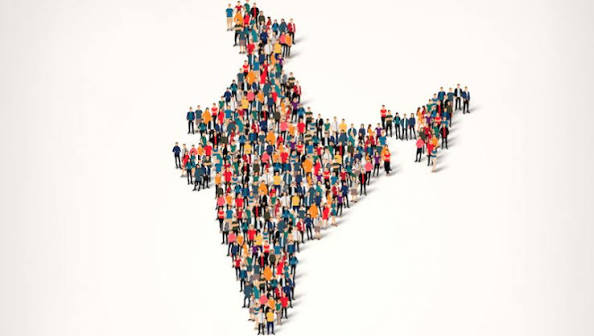
Chennai: India’s demographic window will remain open for only another 20-25 years, giving the country a limited opportunity to transform its large young population into an economic advantage. Whether this demographic window becomes a demographic dividend will depend on the country’s ability to create a healthy, educated and skilled workforce while generating quality jobs, according to Sarbartho Mukherjee, Senior Economist at CareEdge Ratings.
“The demographic dividend is not automatic. What India currently has is a demographic window—an opportunity. The dividend will depend on how effectively we invest in human capital and create productive employment,” Mukherjee said.
India entered this favourable demographic phase around 2010-13, when the dependency ratio began falling. The ratio is expected to bottom out around 2039-40 before rising again as the population ages, leaving the country with roughly 25 years to maximise its demographic advantage.
Mukherjee warned that India risks falling into the “middle-income trap” if it fails to use this period wisely. Several Latin American countries, despite enjoying favourable demographics, failed to transition into high-income economies because of inadequate investments in healthcare, education and productive industries. In contrast, East Asian economies such as Japan and South Korea successfully converted their demographic advantage into sustained prosperity through investments in human capital and high-value manufacturing.
India’s biggest challenge, he said, is not merely unemployment but the dominance of informal and low-productivity employment. A large section of the workforce remains engaged in informal jobs or disguised unemployment, particularly in agriculture, limiting income growth and productivity. While government initiatives such as the Production-Linked Incentive (PLI) scheme have generated employment, the scale remains insufficient. India needs nearly 80 lakh non-agricultural jobs annually until 2030, far exceeding the jobs created so far under PLI.
The widening mismatch between education and industry requirements is an issue that has to be addressed. With only about 55 per cent of graduates considered employable, greater emphasis is needed on vocational education, skill development and stronger industry-academia collaboration. Public spending on healthcare and education also needs to increase significantly to build quality human capital.
Artificial Intelligence, Mukherjee argued, should be viewed as a transformative force rather than a threat. While AI may disrupt some existing jobs, it is expected to create new opportunities, particularly in digital gig work, AI model training and data services. At the same time, labour-intensive sectors such as healthcare, tourism, MSMEs and the creative economy will continue to play a crucial role in employment generation.
He also stressed the importance of increasing female labour force participation through better childcare, safer transport and supportive workplace policies. Raising women’s participation to levels seen in other major economies could significantly boost India’s economic growth.
Looking ahead to 2047, Mukherjee remains optimistic about India’s prospects but believes success will hinge on three priorities—greater investments in healthcare and education, stronger spending on research and development, and sustained creation of quality jobs. “If we get these policies right, India can convert its demographic window into a lasting demographic dividend,” he said.
Disclaimer : This story is auto aggregated by a computer programme and has not been created or edited by DOWNTHENEWS. Publisher: deccanchronicle.com