
If a wedding day brings to mind a bride dressed in a big white dress, the styles coming down the aisle in the near future may strike you as a little different. Whether it is through celebrity references, or new brands, wedding gowns are entering a more experimental era.
For Charli xcx’s marriage to the 1975 drummer George Daniel last year, the bride wore a minidress and sunglasses.
In July, the model and influencer Gabbriette married the 1975 singer, Matty Healy, wearing gothic makeup and a Victorian-style gown with bustle by Matières Fécales, the brand that has also dressed Lady Gaga and Zendaya despite the fact its name translates to “faecal matter”.
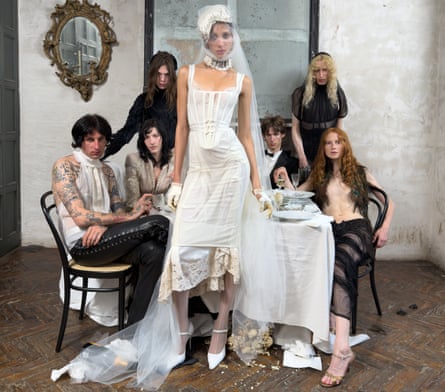
Emma Roberts, meanwhile, married fellow actor Cody John. If her dress was unremarkable, the lace veil falling across her eyes brought an artiness to her big day.
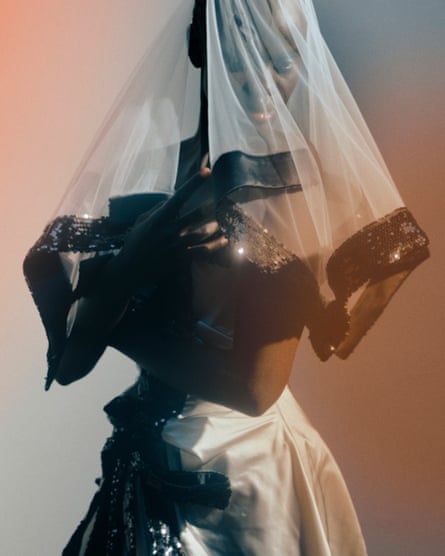
There are a growing number of brands catering to the non-trad bride. This week, Dilara Findikoğlu – a London fashion week stalwart known for ornate corsets and references towards the occult – launched bridal wear. This follows Weddings & Funerals, the brand from Susie Cave, the founder of Vampire’s Wife, which only sells white and black dresses suitable for these two big life occasions.
Joining the trend is Wed. Set up in 2019 by the Central Saint Martins graduates Amy Trinh and Evan Phillips, the brand sells dresses that suit the coquette trend along with short minis and designs with transparent panels.
Speaking about her wedding dress to Vogue, Gabbriette said: “Bridal is whatever you want it to be.” Findikoğlu echoes this sentiment: “[Women] don’t necessarily want to leave their personality behind on their wedding day. They want their bridal look to feel like an extension of who they already are, rather than becoming someone completely different for one day.”
The dresses, therefore, reflect the look of the rest of Findikoğlu’s brand. “They carry our sense of rebellion,” she says. “They’re not perfectly polished in the way conventional wedding dresses often are.” Wed, meanwhile, began because Trinh was getting married and could not find anything she wanted to wear. Seven years later, the brand has proved there is a gap in the market. “It’s not always the creative types,” says Trinh. “We have people who work in tech, who are lawyers, who work in finance … They know what they like, and they’re quite sure of themselves.”
Emma Firth, the writer and host of the Rejection is Romantic literary salon, says these dresses reflect a less fixed idea of marriage now. “Before there was a sense of you had to be with a person for a certain amount of time, if you were in your early 30s, that’s a good time to do it,” she says. “I think we’ve moved on from that quite rigid societal expectation.”
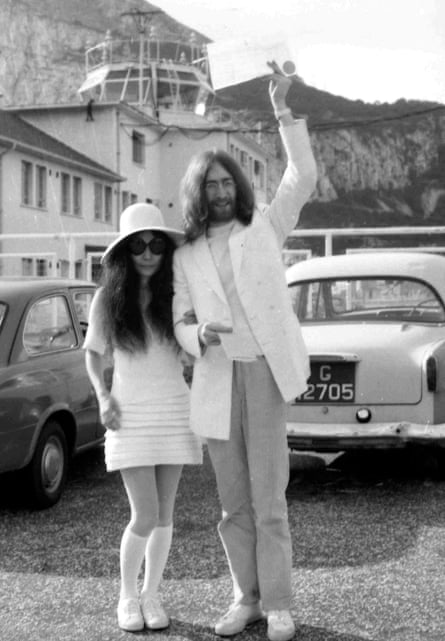
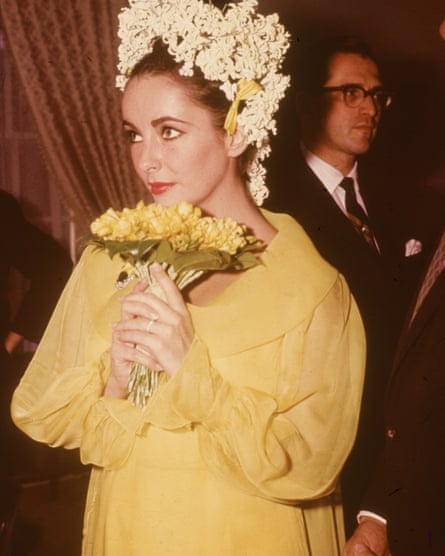
Alternative bridal wear is not new. Firth points to Elizabeth Taylor getting married in yellow to Richard Burton in 1964, and Yoko Ono wearing sneakers for her marriage to John Lennon in 1969. Bridget Dalton, the head of Truth Futures at the brand consultancy Truth Consulting, cites Zoe Ball on her wedding day in 1999, wearing ripped jeans and carrying a bottle of Jack Daniel’s.
The alt bride trend of 2026, however, comes at a time when marriage is less common. A report by the Centre for Social Justice from February found there were about 224,000 marriages in 2023, compared with more than 400,000 in 1970. Among younger people, 3.9% of women and 2.1% of men married before the age of 25, compared with 81.8% and 62.5% respectively in 1975.
Even if these designer dresses are probably out of the price range of potential young brides, could the rise of alternative bridal wear – not to mention the nuptials of more rock’n’roll celebrities such as Gabbriette and Charli xcx – potentially put the institution back on the radar of gen Z?
Dalton says it allows a foot in each camp. “It’s all about disavowing the saccharine sacredness, giving the finger to the infantilising princessness of former bridal aspiration. But nonetheless, you are still a bride, you’re still in the ecosystem of convention.”
Trinh and Phillips are wary of any celebrity becoming a blueprint for a woman’s big day. “There’s something in culture that tells you if you’re not wearing that style, then your wedding’s not going to be cool,” says Phillips. “Whereas actually the coolest thing is when a bride puts a dress on, any dress, and they’re like ‘this is me’.”
Disclaimer : This story is auto aggregated by a computer programme and has not been created or edited by DOWNTHENEWS. Publisher: theguardian.com


