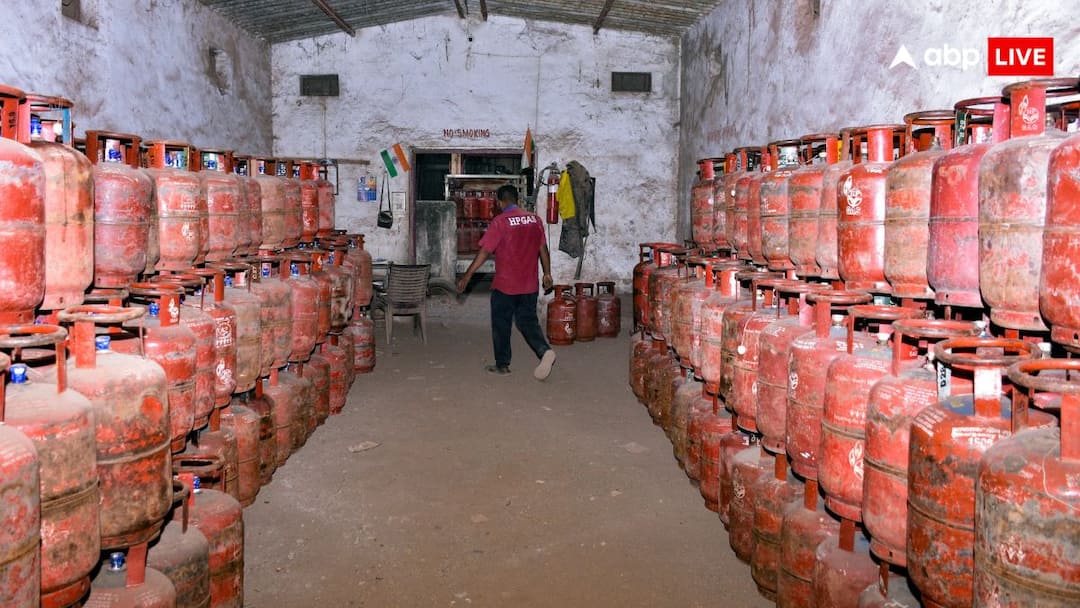
- Expansion adds dedicated LPG, LNG, and more crude storage.
India may be preparing one of its biggest shifts in energy security planning, with the Centre considering a small levy on cooking gas and natural gas consumers to help finance a massive expansion of the country’s strategic fuel reserves.
According to a Reuters report citing two sources with direct knowledge of the proposal, the government is examining a plan to raise around $1.5 billion annually through user levies to fund new storage facilities for liquefied petroleum gas (LPG) and liquefied natural gas (LNG). The broader programme, estimated to cost $42 billion over the next decade, was formulated after disruptions during the Iran conflict exposed India’s dependence on imported energy supplies.
If approved, the proposal would mark the first time India expands its strategic reserves beyond crude oil, creating dedicated emergency stockpiles for LPG and LNG alongside additional crude storage.
Why Is The Government Considering A New Levy?
The proposal comes against the backdrop of heightened geopolitical uncertainty, which pushed up global energy prices and disrupted supply chains earlier this year.
According to the report, the government concluded that the crisis highlighted vulnerabilities in India’s energy security, particularly given the country’s heavy reliance on imported fuels.
India is the world’s third-largest importer and consumer of crude oil, importing nearly 90 per cent of its crude requirements. Supply disruptions linked to the conflict in the and uncertainty around shipping through the Strait of Hormuz reinforced the need for larger strategic reserves capable of cushioning future shocks.
The proposed reserve programme is intended to provide around two months of crude oil and LNG demand and approximately six weeks of LPG consumption, according to the report.
Also Read : Share Markets See Muted Start, Crude Under $80, Sensex About 150 Points Up, Nifty Nearly Flat
What Could Change For LPG And Natural Gas Users?
To finance the proposed storage infrastructure, the Ministry of Petroleum and Natural Gas is considering levies on both LPG and natural gas consumption.
According to the report, officials are examining a levy of Rs 1.29 per kg of LPG, which could generate around $460 million annually based on current consumption levels. For a standard domestic LPG cylinder, that would translate into an additional cost of roughly Rs 18.
For natural gas, the ministry is considering a charge of Rs 1.43 per standard cubic metre, which the report said could raise about $1 billion each year.
It is still unclear how the proposed levies would ultimately be collected. The proceeds would primarily be used to develop storage infrastructure for LPG and LNG, while crude oil reserves would continue to be financed by the central government.
The news agency also reported that both the Ministry of Petroleum and Natural Gas and the Ministry of Finance did not respond to its requests for comment sent on August 4.
A Long-Term Plan To Expand India’s Emergency Fuel Buffers
The proposed strategic reserve programme is expected to be implemented over the next decade at an estimated cost of $42 billion.
More than half of the investment would be directed towards constructing new storage facilities, while the remainder would be used to build the reserves themselves.
Government estimates indicate that India would require an additional 28 million metric tonnes of crude oil storage, 9 million tonnes of LNG capacity and 4 million tonnes of LPG storage during the period.
At present, India has 5.33 million tonnes of government-owned strategic crude oil storage, with another 6.5 million tonnes under construction. However, the country does not currently maintain dedicated strategic reserves for LPG or LNG.
Closing The Gap With Other Asian Economies
The proposal also reflects India’s efforts to strengthen its emergency fuel preparedness relative to other major Asian economies.
India’s government-controlled reserves currently cover less than 10 days of demand, compared with more than 100 days in countries such as Japan and South Korea.
By creating dedicated reserves for LPG and LNG alongside expanded crude oil storage, policymakers aim to reduce the country’s exposure to supply disruptions and key maritime chokepoints such as the Strait of Hormuz.
One of the sources told the agency that the objective is to build a more resilient energy security framework capable of protecting the economy from future external shocks.
Also read : RBI MPC Keeps Repo Rate Unchanged At 5.25%: Here’s What Happens To Your Home Loan EMI
The plan has not yet been approved.
According to the report, the proposal is currently under discussion across multiple ministries and still requires clearance from the Union Cabinet before it can move forward.
Disclaimer : This story is auto aggregated by a computer programme and has not been created or edited by DOWNTHENEWS. Publisher: abplive.com