The H5N1 avian influenza has finally made it to Victoria. It will be the first time many Victorian species have been exposed to the virus. Here’s how it could play out in different locations across the state.
For as long as he can remember, egg farmer Zac Jeffries found solace in long walks on the beach. But now, the open skies and exposed coastline are among his biggest anxieties.
Jeffries started egg farming three years ago in Narrawong on the south-west Victorian coast. His farm is a short drive from Portland, where the first case of the H5N1 bird flu was detected last week.
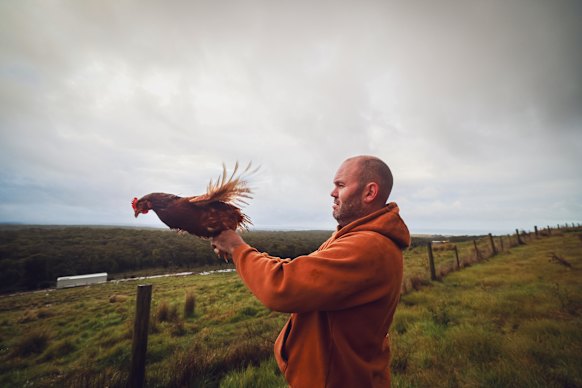
He has protected his chickens from land-dwelling animals, including foxes and kangaroos. But now it is wild birds carrying the H5N1 variant causing him the most stress.
“It’s very unnerving,” Jeffries said.
So far, authorities have detected 23 cases in Victoria – all of them in the state’s south-west. They expect the virus will spread rapidly, and more birds have been sent for testing.
Thankfully, there have been no cases on Jeffries’ farm. But just one confirmed detection would be devastating and would probably result in him having to euthanise all 5000 birds in his flock.
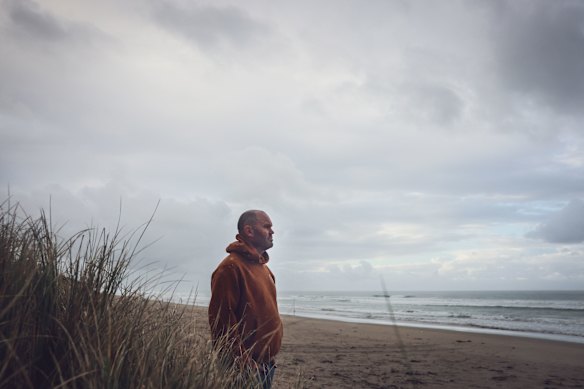
Protecting farms against threats from the sky
Once chickens become infected, the disease spreads rapidly. After testing confirms the presence of bird flu, poultry are killed en masse and farms quarantined to limit the spread. Infected chickens often experience breathing issues, lethargy, swollen heads, loss of appetite and a drop in egg production, before their sudden death.
The Department of Agriculture recommends farms then improve their biosecurity by securing sheds, actively tracking the movement of birds and poultry products, and ensuring all staff are trained.
Since 2020, there have been three outbreaks of H7 bird flu in Victoria, and all were eradicated faster than the last. But it also resulted in the culling of more than a million chickens and prompted supermarkets to enforce egg rationing.
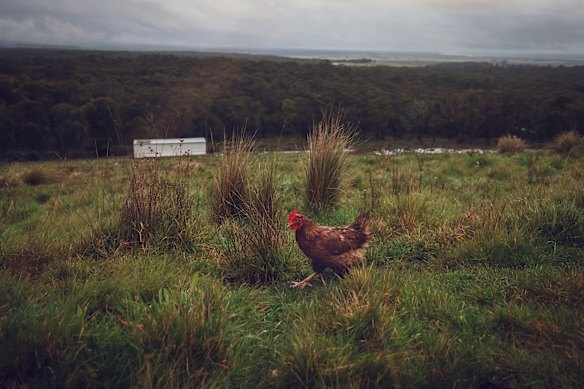
Unlike other strains of bird flu, H5N1 is exceptionally deadly and contagious, and can infect a wide range of wild birds, mammals and poultry.
Jeffries did not have to resort to such extreme measures during the last outbreak. But the proximity of the latest cases has the egg farmer on high alert.
He has already introduced stringent biosecurity measures.
To keep his roaming chickens safe, he has Maremma sheepdogs trained in chasing away wild birds that may try to land in the paddocks.
Seasonal staff live on the site, and there is no movement back and forth between other farms, minimising exposure to diseases.
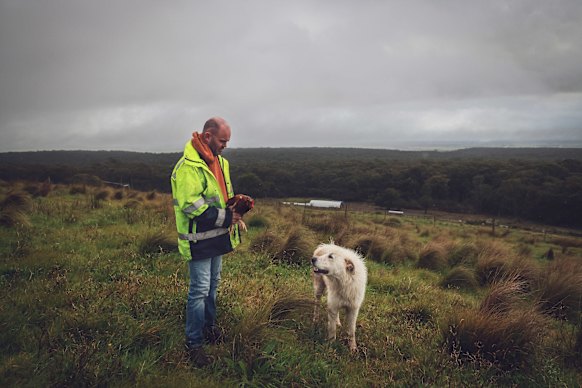
Despite these protective measures, Jeffries said it was impossible to stop wild birds from flying over the farm.
“We’ve got solid protection from the ground,” he said. “The biggest threat is from the sky.”
Jeffries plans to build solid structures where the chickens can be housed for extended periods, if necessary, to replace the current smaller caravan-style enclosures, in which the birds can only be kept overnight and part of the day.
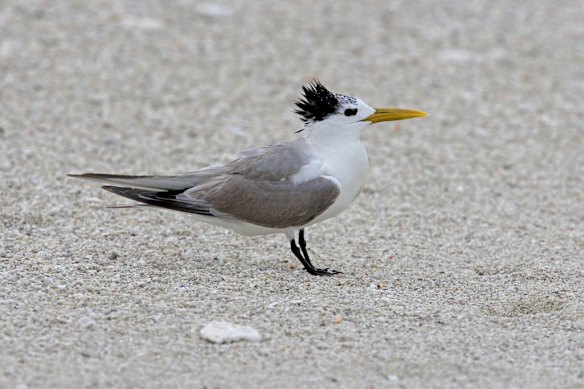
Wildlife Health Australia’s emergencies program manager, Dr Simone Vitali, said it had long been clear there was little agencies could do to prevent bird flu arriving and spreading through Australia. So the priority had been to increase populations and create healthy habitats.
She said there was no one-size-fits-all approach to mitigating the damage, but limiting human movement was an option. She said vaccination was on the table for some species and pilot studies were under way, but it was not feasible for many breeds.
Wild bird colonies
Portland is home to Australia’s only mainland gannet colony, at Point Danger. Committee of management chair Josh Pierce said the birds were listed as a species of least concern due to healthy populations, but H5N1 could ravage densely populated colonies.
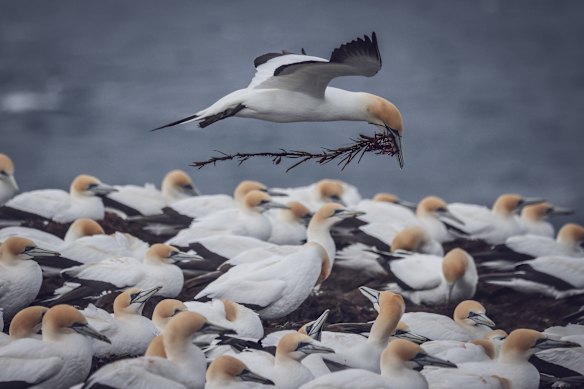
The timing of the latest outbreak is particularly bad for Point Danger and other bigger gannet colonies offshore because breeding season starts next month.
Pierce said daily visits from tour guides and visitors at Point Danger could enable faster reporting of sick animals to authorities.
“We have all those sets of eyes that can keep watch,” he said.
Phillip Island Nature Parks is responding to the threat through well-established methods – albeit with greater urgency.
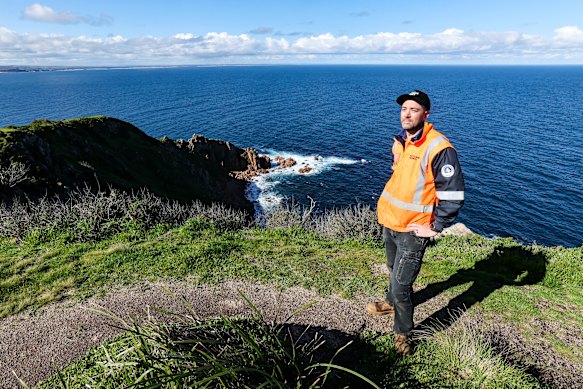
Reserves manager Ben Thomas said the conservation group was accelerating its removal of weed species, including African boxthorn, which can trap and kill birds, including short-tailed shearwaters.
“We’re expecting the virus will have a pretty significant impact on our species,” he said. “So we want to make this habitat as good as it can be, so these birds can recover from it.”
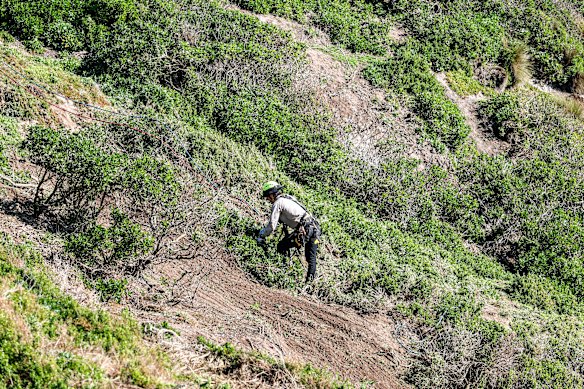
This week, high rope specialists were removing the weeds from cliffs to prepare for the arrival of shearwaters.
Phillip Island Nature Parks is also stepping up targeting of introduced predators, including feral cats, which put pressure on native species.
Changing practices
Nature Parks wildlife manager Stuart Murphy said foot baths for visitors, increased washing of cars and restricted vehicle access in sensitive areas for nature parks staff were all part of a potential response to protect wildlife.
“If we don’t have really solid procedures in place, we can potentially be responsible for spreading disease around from site to site,” Murphy said.

Outbreaks of H5N1 overseas indicate penguins and seals are both susceptible to the disease.
Murphy said animals that appeared to have contracted H5N1 would be brought in for treatment in an area separated from other sick or injured animals.
“Once it is established in a population, unfortunately, there’s not a lot we can do.”
It remains unclear how native wildlife will respond to the virus because many species have yet to be exposed to it.
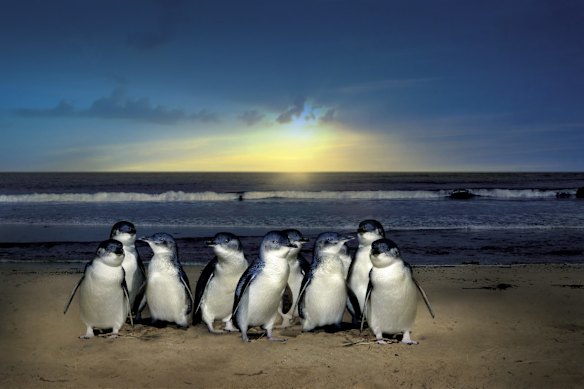
Murphy said some might have natural immunity, while others could be vulnerable.
Phillip Island Nature Parks is examining whether animals, including penguins, can be vaccinated. But that is extremely difficult with wild animals.
Worries for the wetlands
As bird flu inevitably spreads across the coast it will infect new species such as pelicans, ibis and cormorants, which will carry it over rivers and estuaries into wetlands during breeding season or after heavy rain.
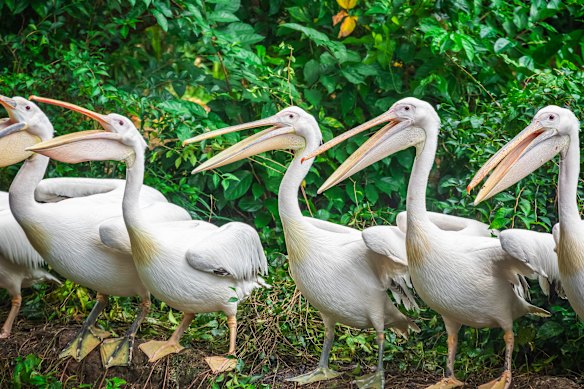
Once bird flu takes root in wetlands, it will infect high-risk species like spoonbills and black swans, but also to the next possible super-spreader: ducks.
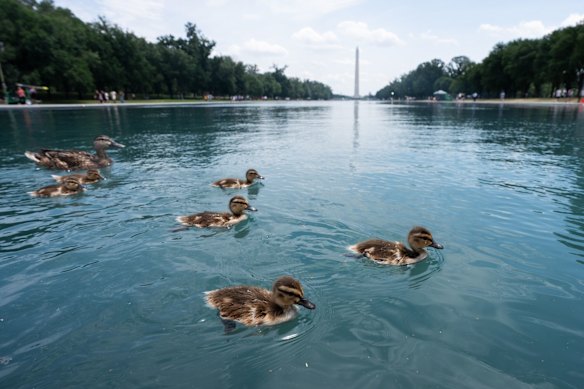
Chris Purnell, BirdLife Australia’s manager for wetland and priority shorebirds, said Australian ducks had undergone testing that revealed they showed little sign of illness while carrying the disease but could still infect other species.
Unlike vulnerable “dead-end hosts” which are killed quickly by bird flu, ducks can fly hundreds of kilometres in a day and spread the disease to new parts of Victoria.
“Ducks might be the next major mover,” Purnell said.
To minimise the damage, Purnell said agencies needed to reduce disruptions to the environment. This includes limiting visitation to sensitive wetlands while birds are breeding, making dog owners keep their pets leashed, and managing destructive feral animals.
Purnell said that ahead of the super El Nino expected to create dry conditions in eastern Australia, agencies could strategically move water around wetlands.
This would mean birds don’t need to travel long distances for water and can spread out across numerous wetlands, rather than being condensed into limited and “potentially catastrophic” areas.
Start the day with a summary of the day’s most important and interesting stories, analysis and insights. Sign up for our Morning Edition newsletter.
Disclaimer : This story is auto aggregated by a computer programme and has not been created or edited by DOWNTHENEWS. Publisher: www.smh.com.au